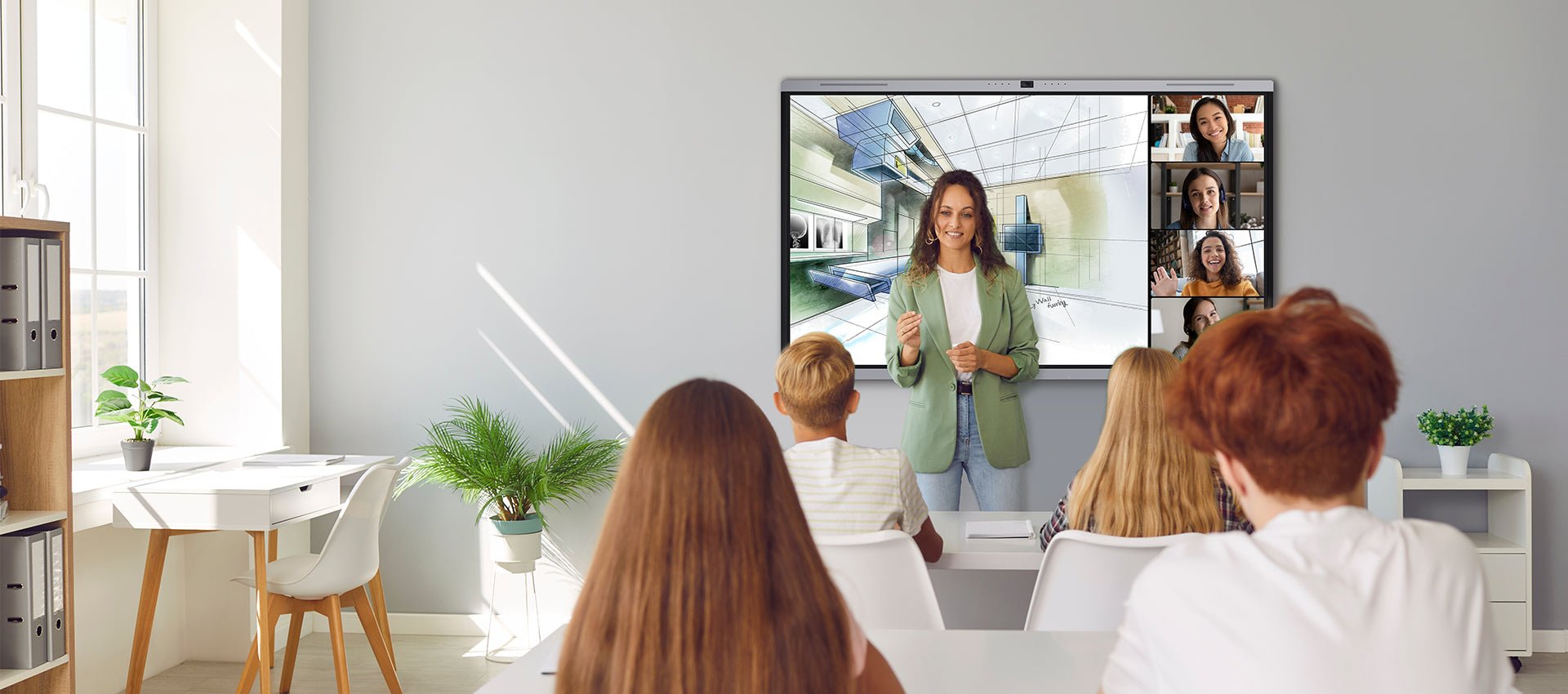
Digital Signage Displays
Digital Signage for Smarter Workplace Communication
Dynamic displays for Australian schools, offices and civic spaces
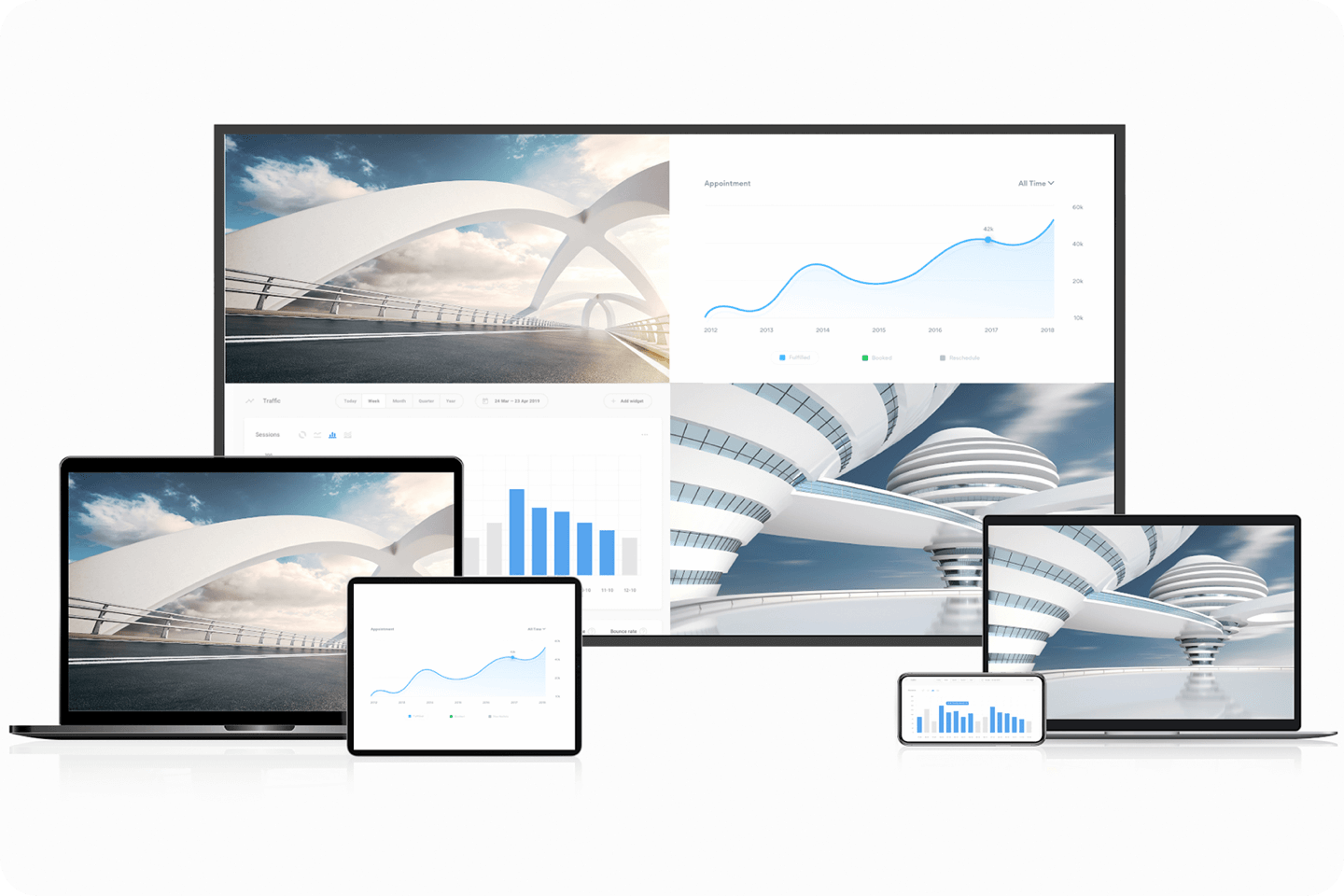
Enhance the way your organisation communicates with our high-performance digital signage displays, designed for education, business and government settings across Australia. From live announcements to promotional content and internal messaging, these digital solutions deliver clarity, immediacy and visual impact in any space.
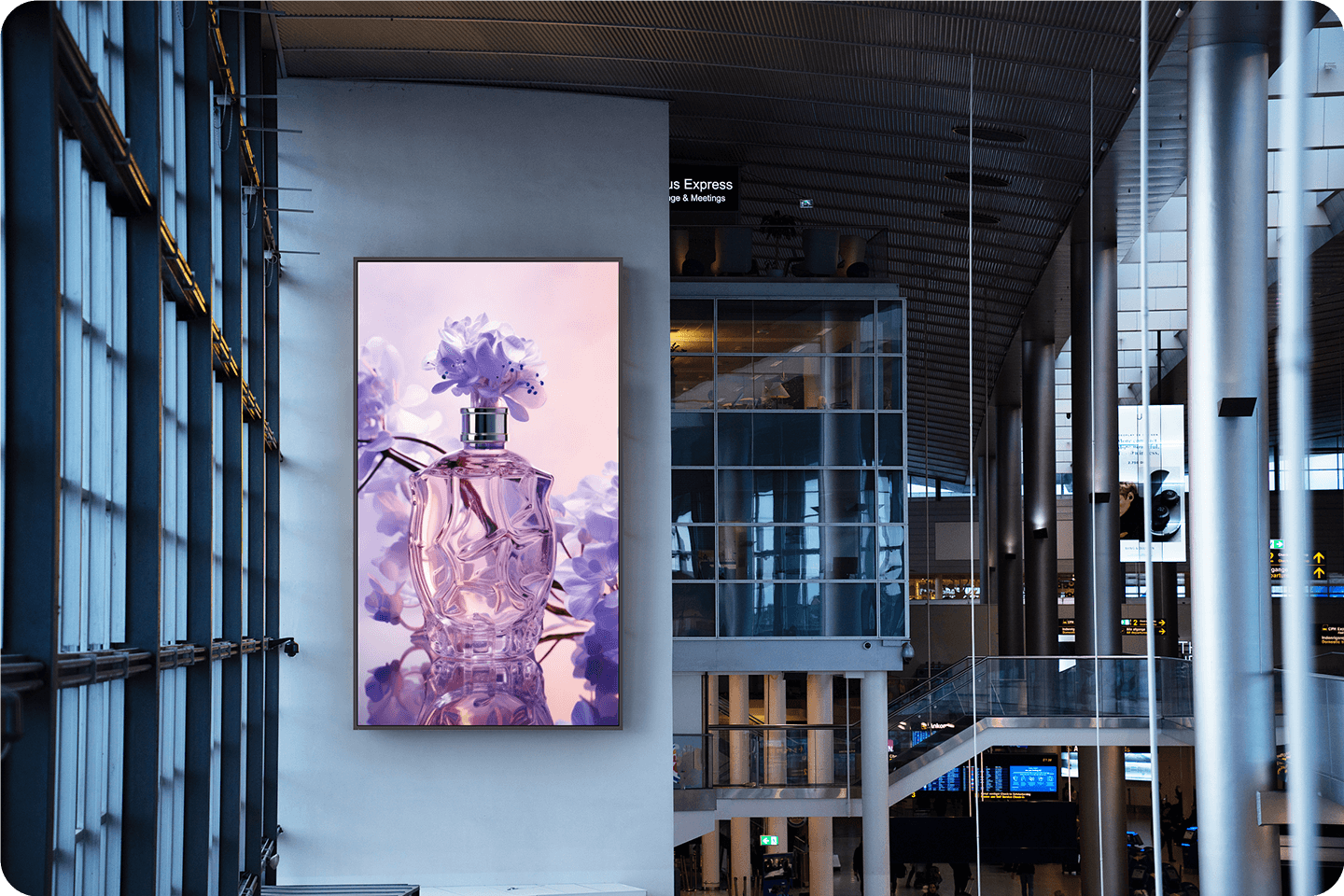
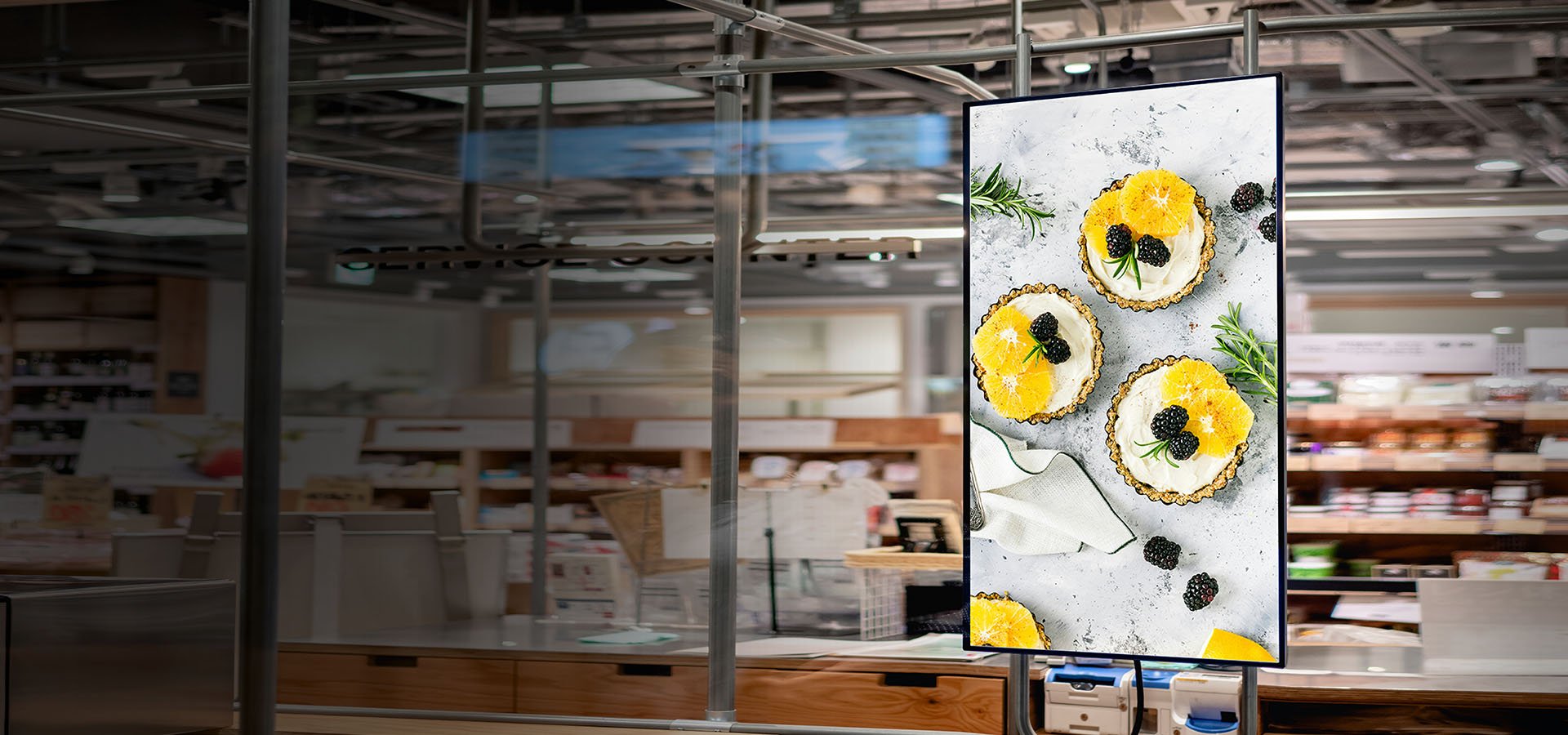
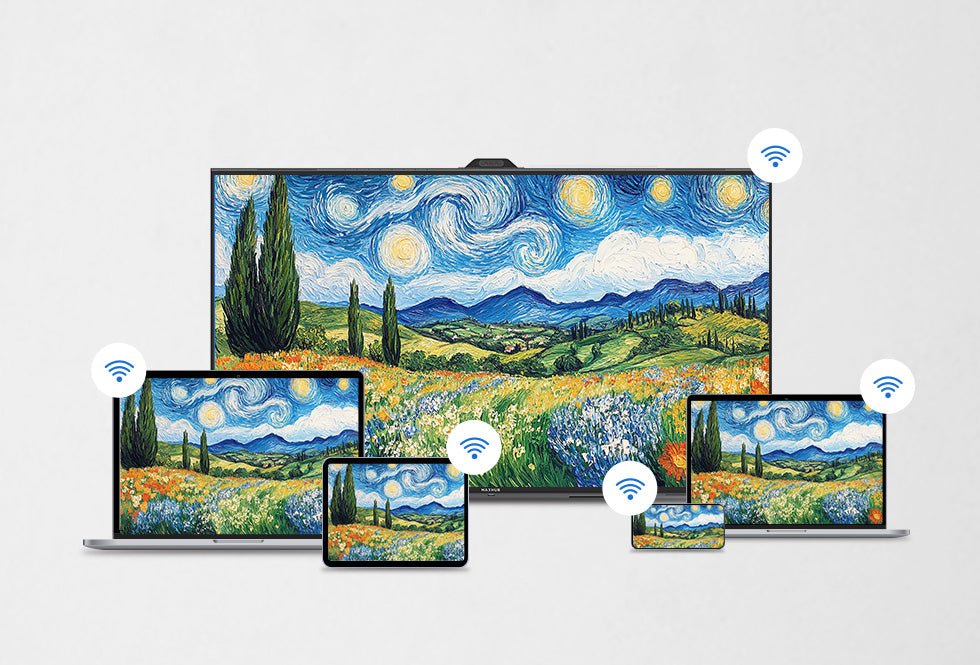
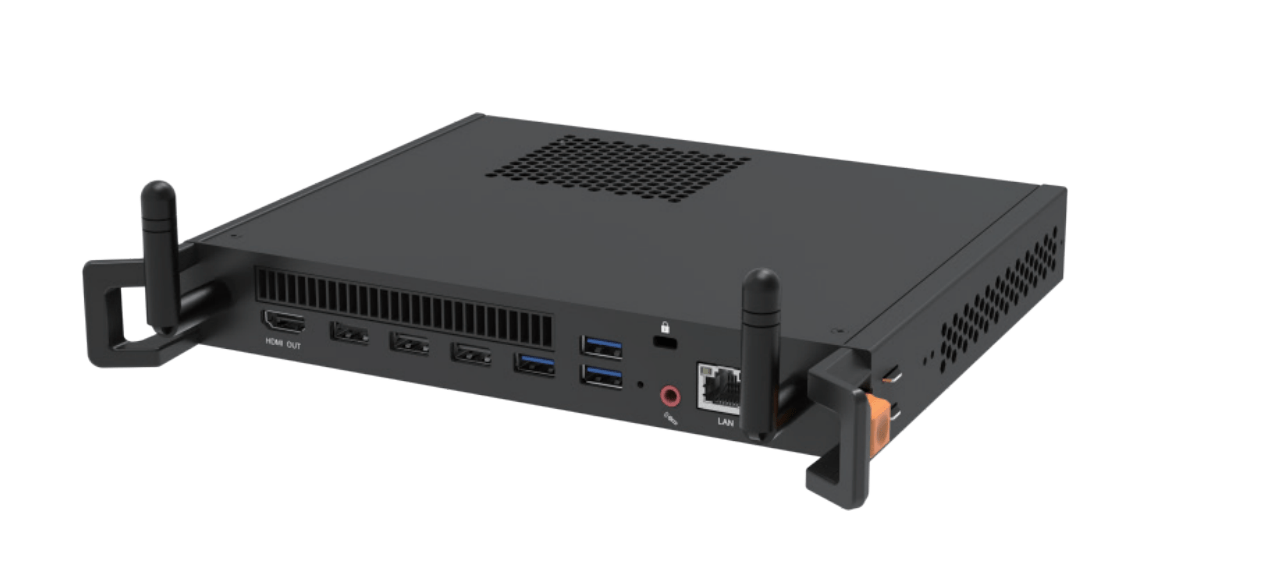
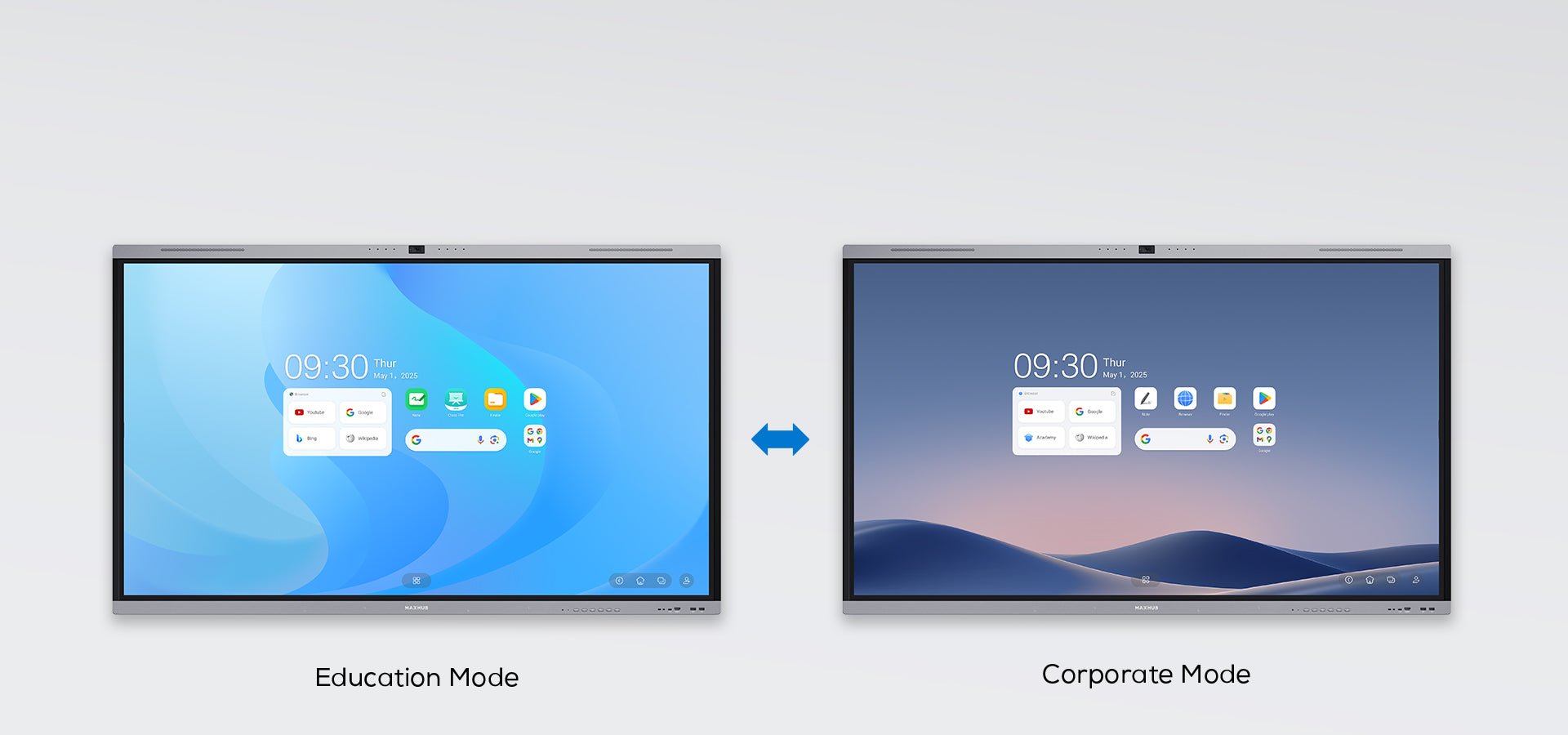
Our commercial-grade digital displays are engineered for 24/7 use, with sleek designs suited to lobbies, meeting rooms, staff areas and public zones. Choose from wall-mounted or freestanding options in a range of sizes, all with easy content management via integrated media players or compatible software.
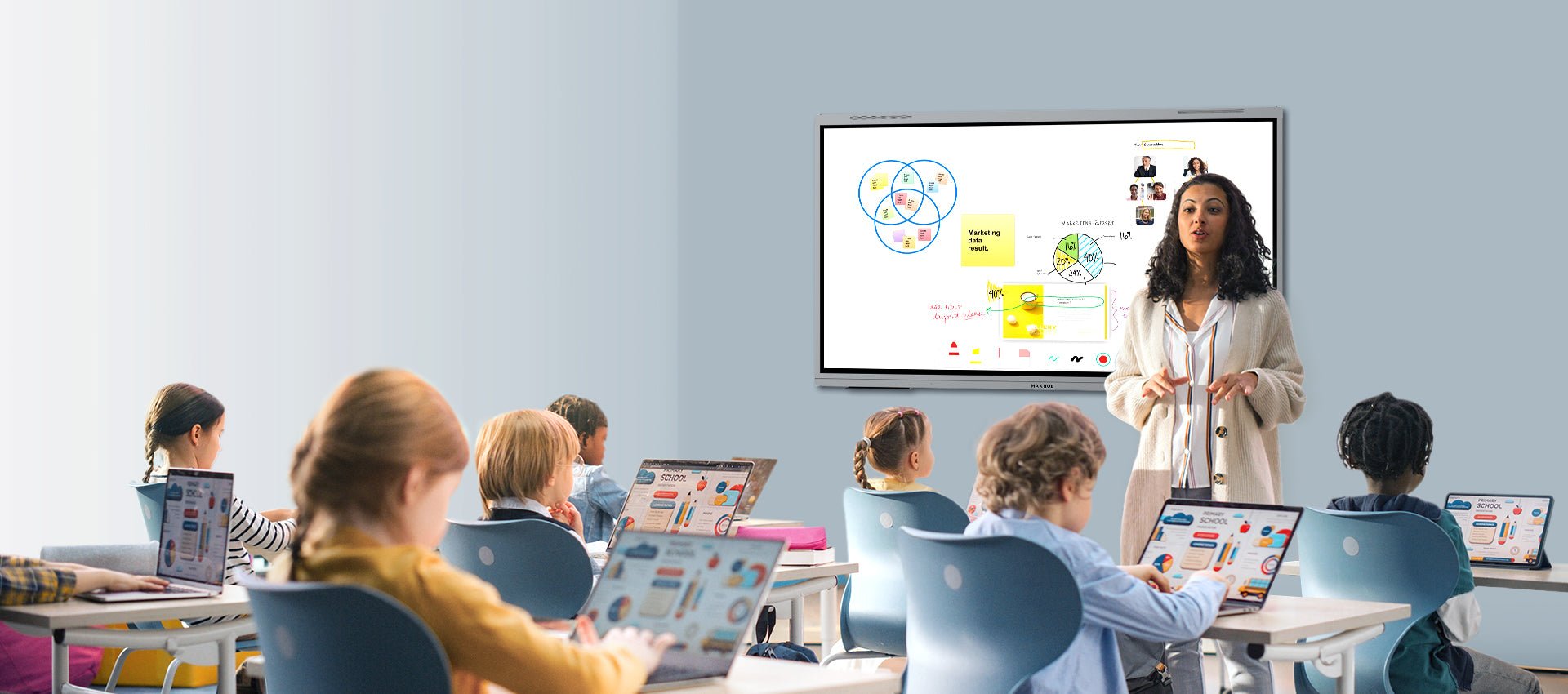
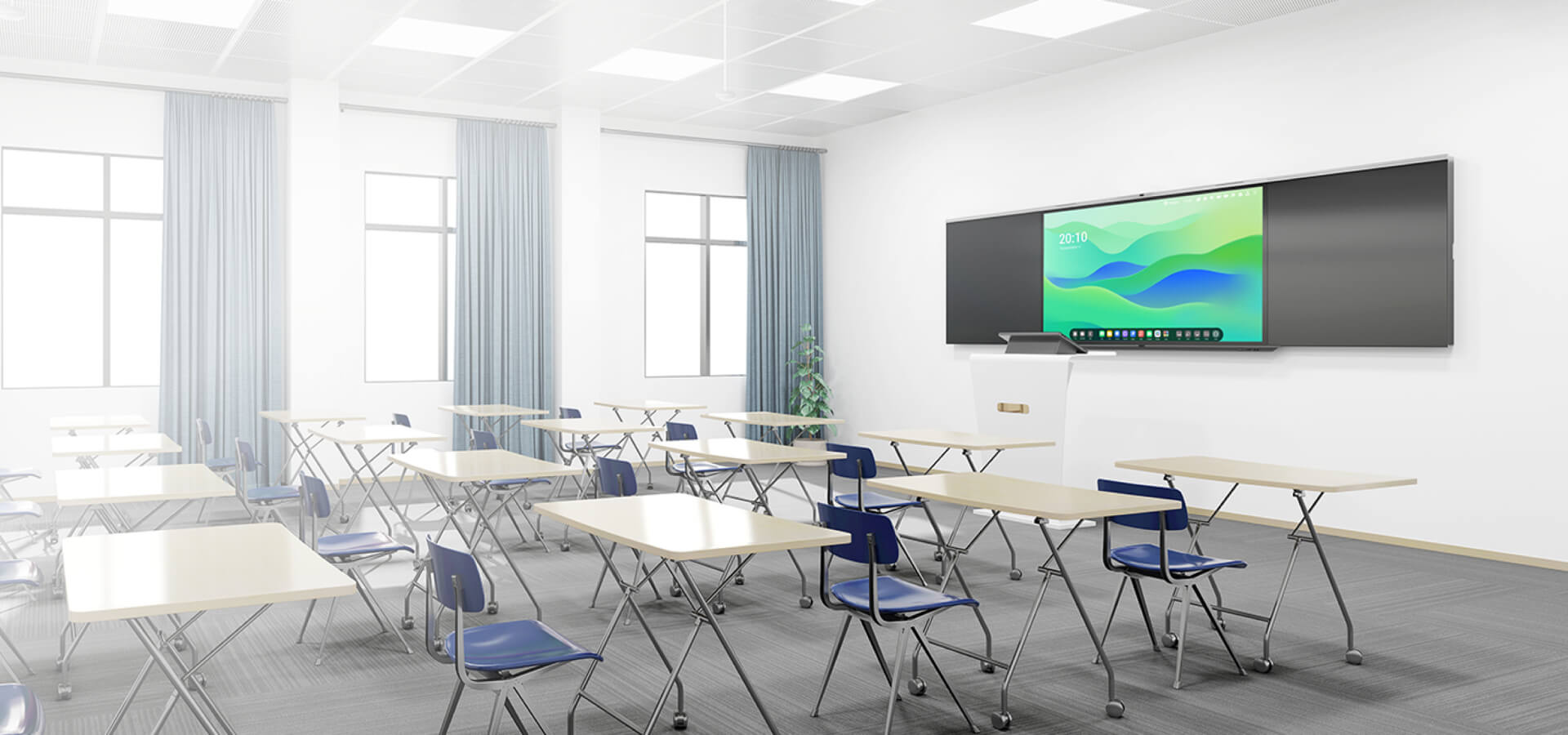
For schools, digital signage helps streamline daily updates, event schedules and emergency alerts. In office and council environments, use them to showcase KPIs, wayfinding, directories or rotating community information, ensuring your audience always stays informed.
Backed by responsive support and fast delivery Australia-wide, Office Furniture Designs offers reliable digital signage that’s easy to manage and built to last. Discover display solutions that modernise communication and keep your message front and centre.