Filters
5 products


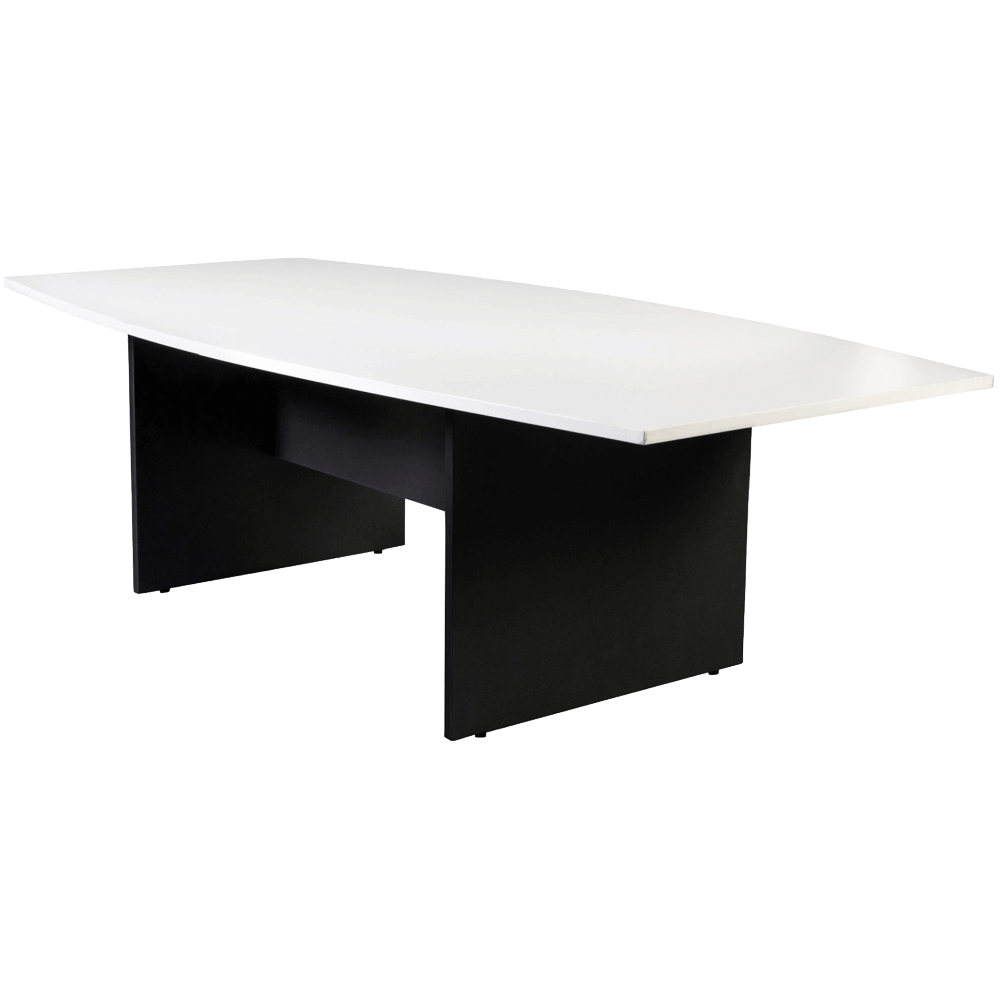


As a general guide, allow at least 900 mm of clearance between the edge of the conference table and surrounding walls or furniture so people can comfortably sit, stand and move around. For higher-traffic rooms, around 1200 mm or more is preferable, especially behind chairs or near doorways.
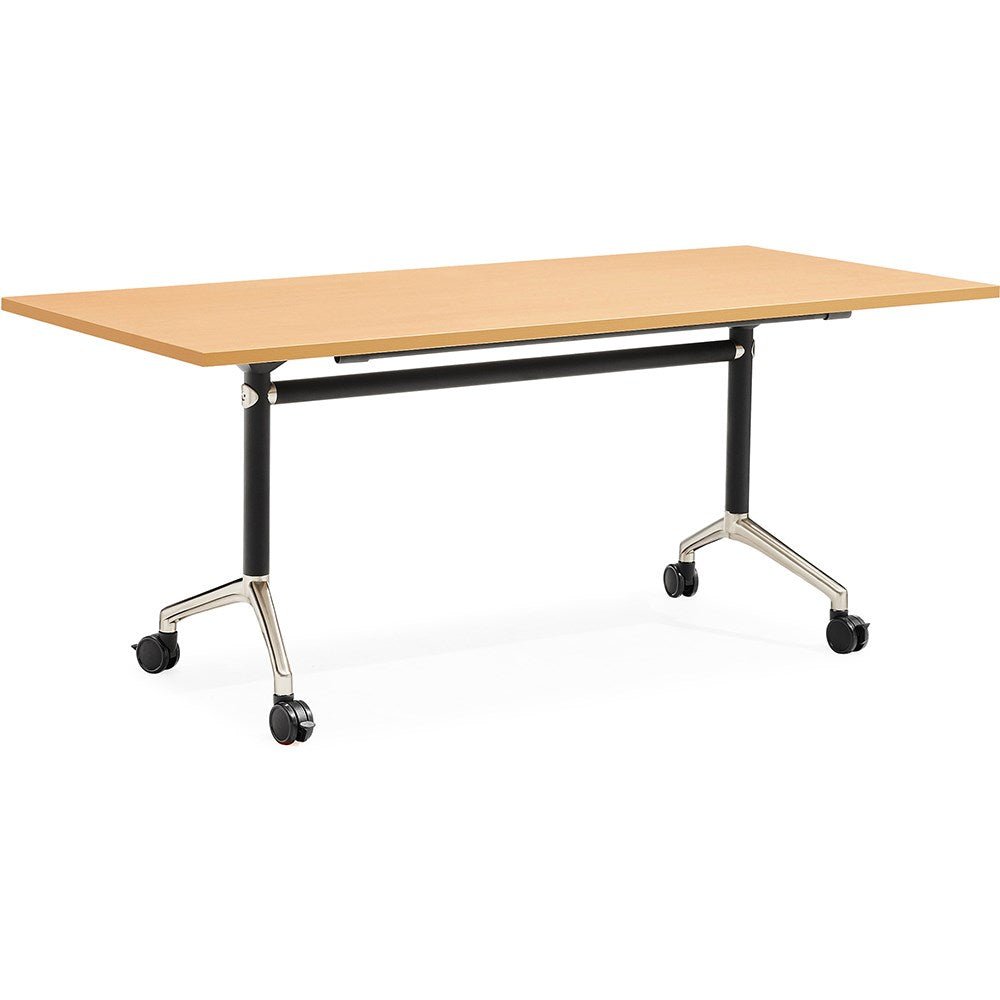
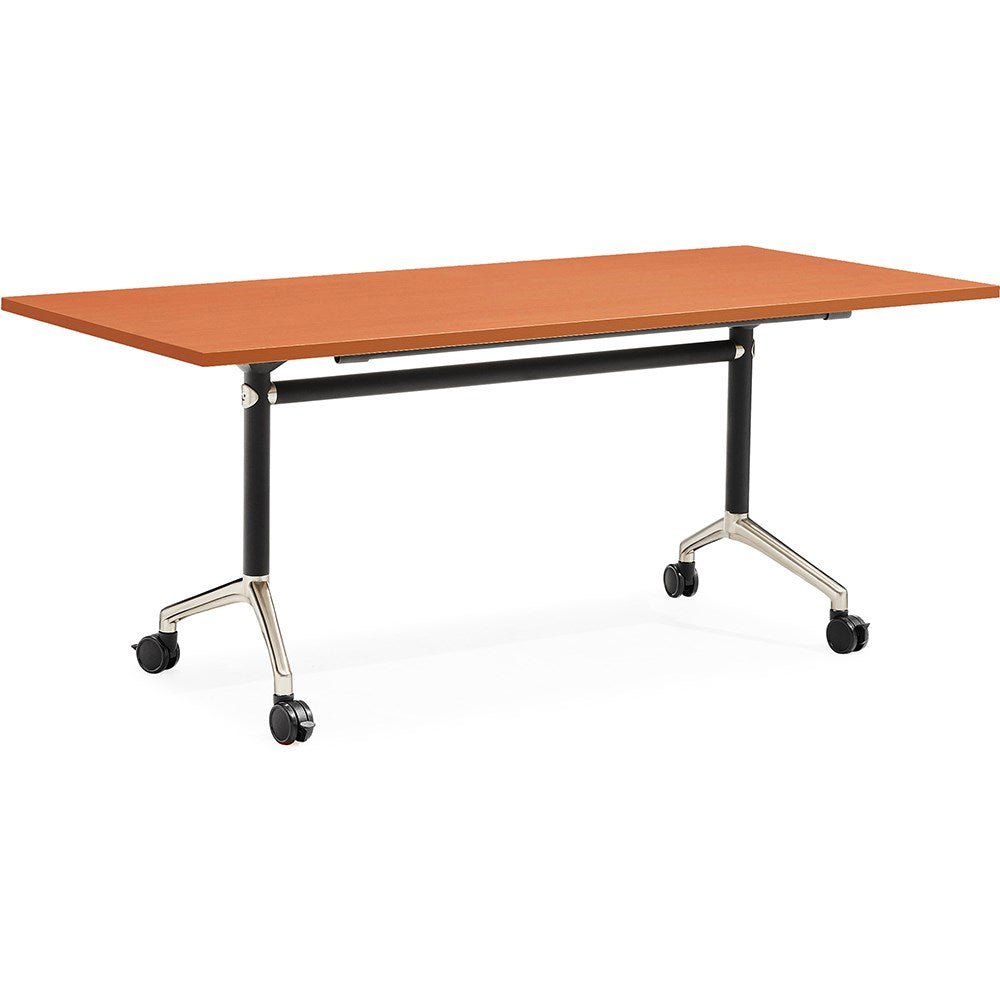
A conference table is usually designed as a more permanent centrepiece for meetings, presentations and boardroom discussions. A training table is typically lighter, more flexible and often includes features such as flip tops, castors, nesting frames or linking mechanisms, making it easier to reconfigure or store between sessions.
The best shape depends on the room and how the table will be used. Rectangular tables are versatile and suit most boardrooms, oval or boat-shaped tables can improve sightlines and create a softer look, while round tables work well for smaller collaborative meetings where equal participation is important.
A flip-top training table has a tabletop that pivots vertically when not in use. This allows multiple tables to be nested closely together for compact storage, while still providing a stable work surface when opened. They are especially useful in training rooms, classrooms, meeting spaces and multipurpose areas that need frequent layout changes.
This depends on the model and supplier. Many commercial training tables are supplied flat-packed or partially assembled for easier transport, while some can be delivered fully assembled. Professional delivery, assembly and installation services may also be available, particularly for larger commercial fitouts.