Filters
11 products


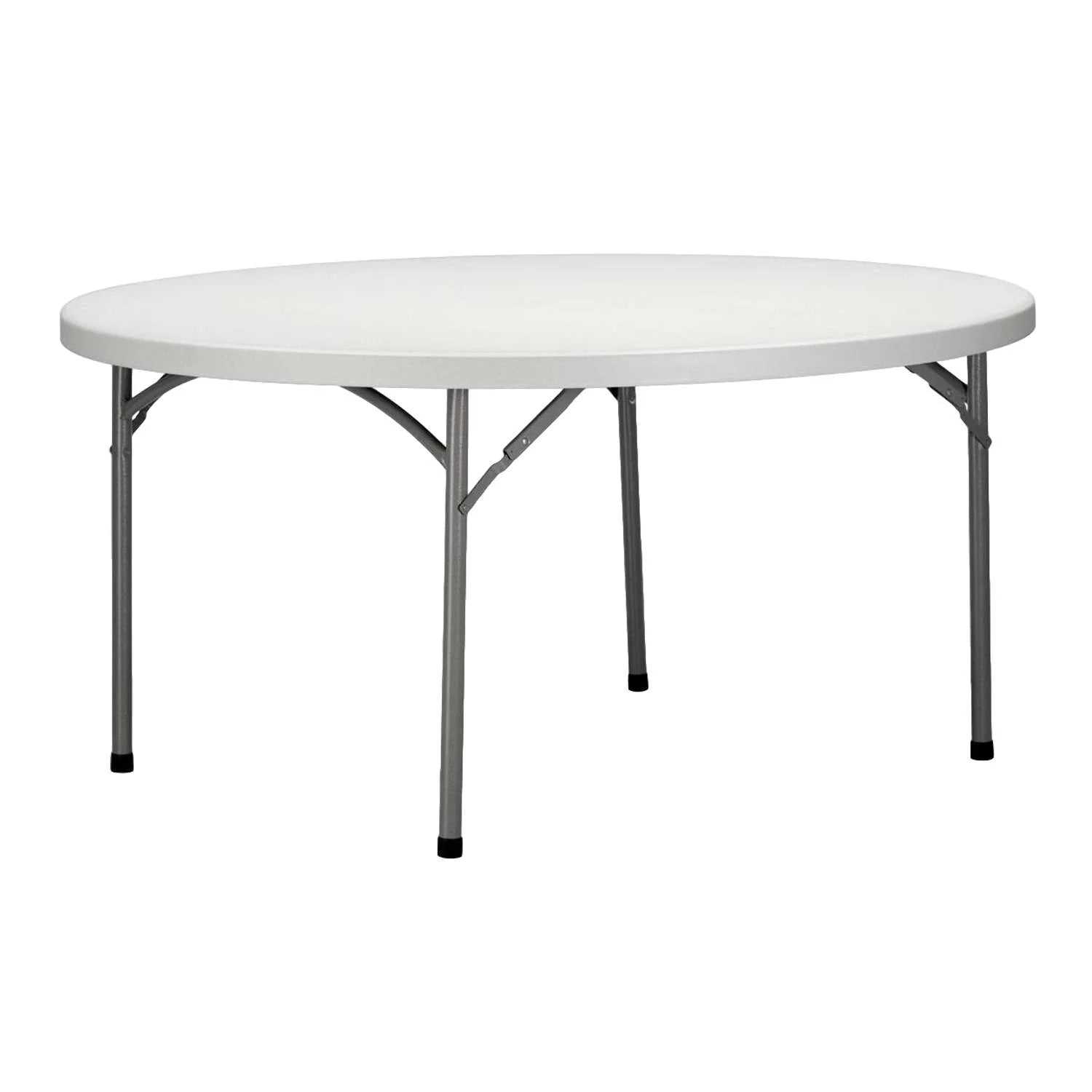
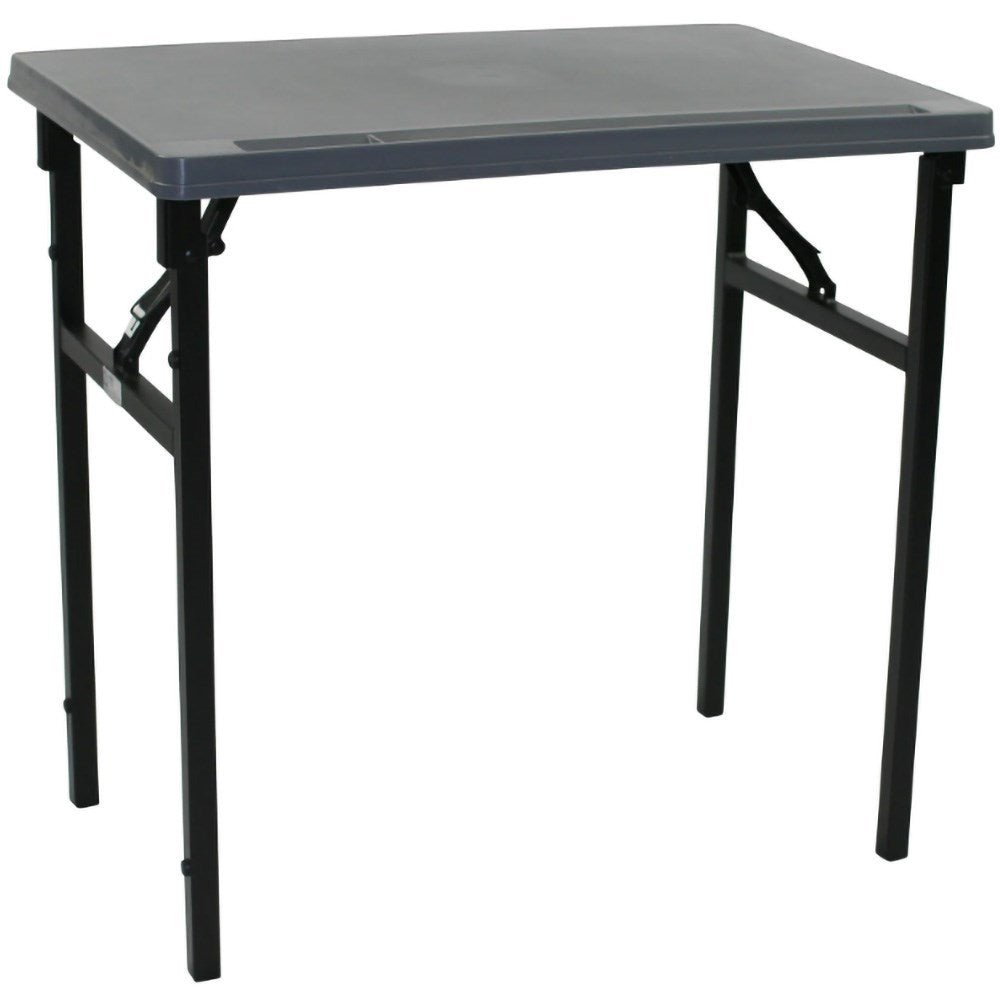
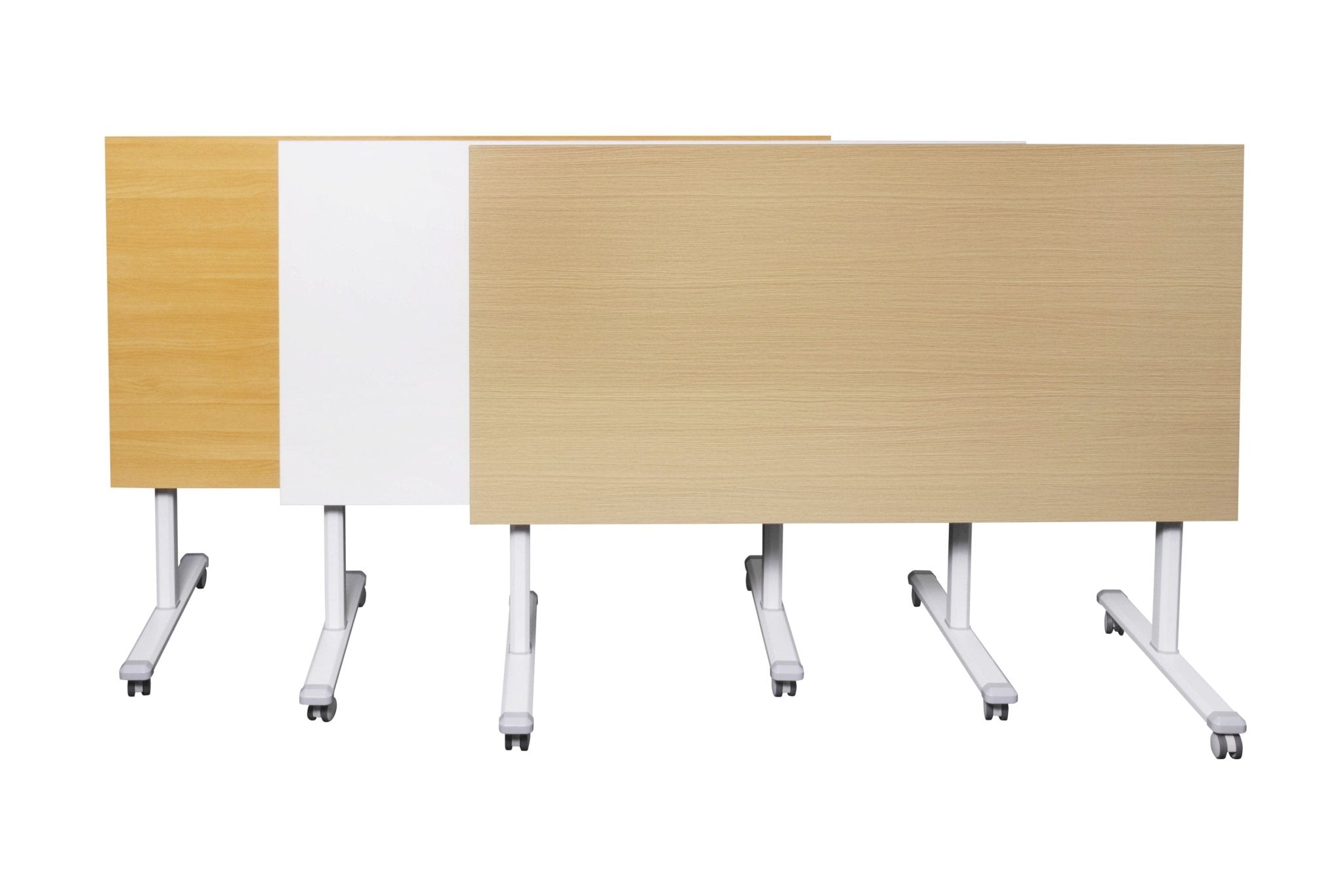
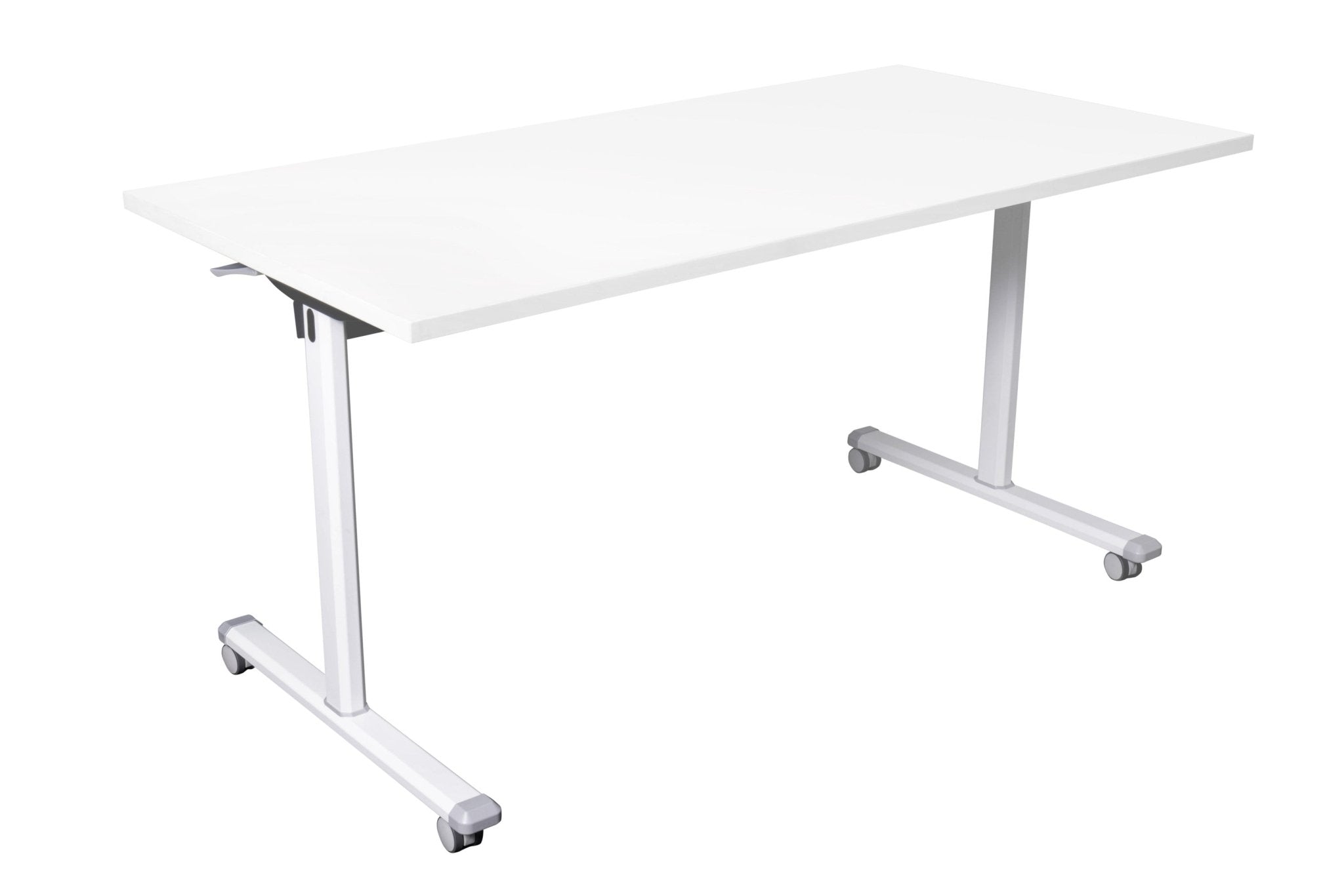


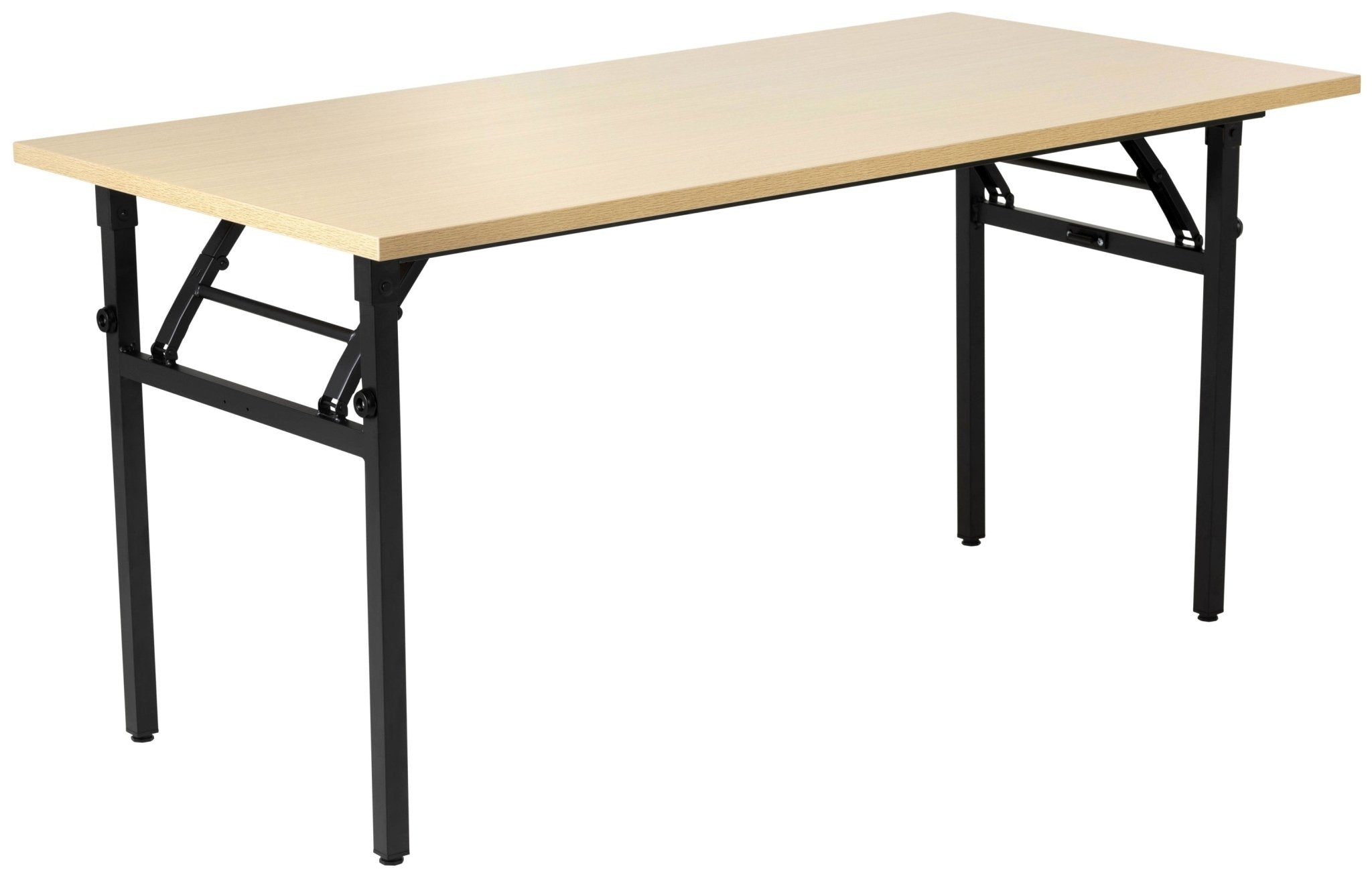
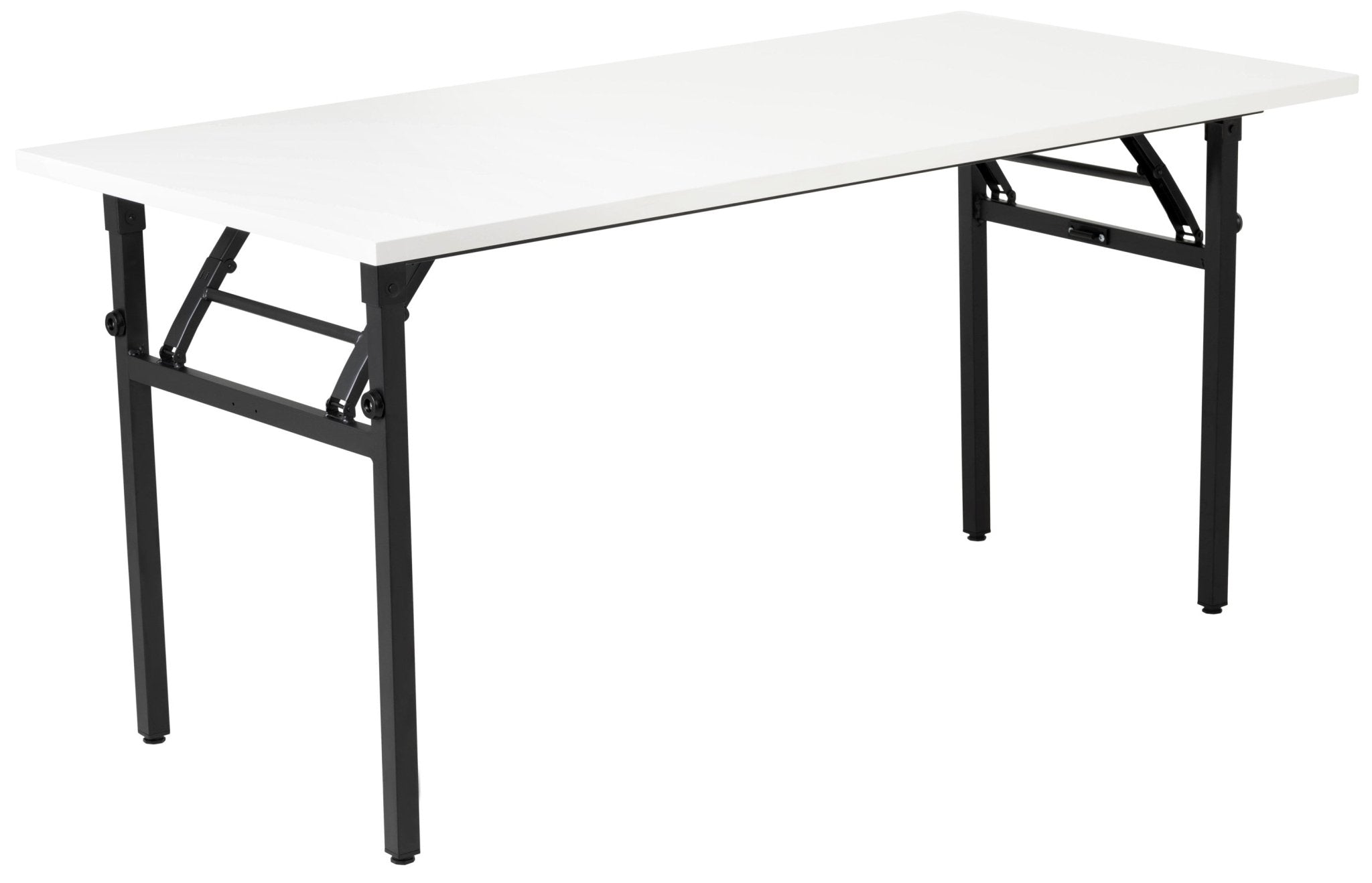
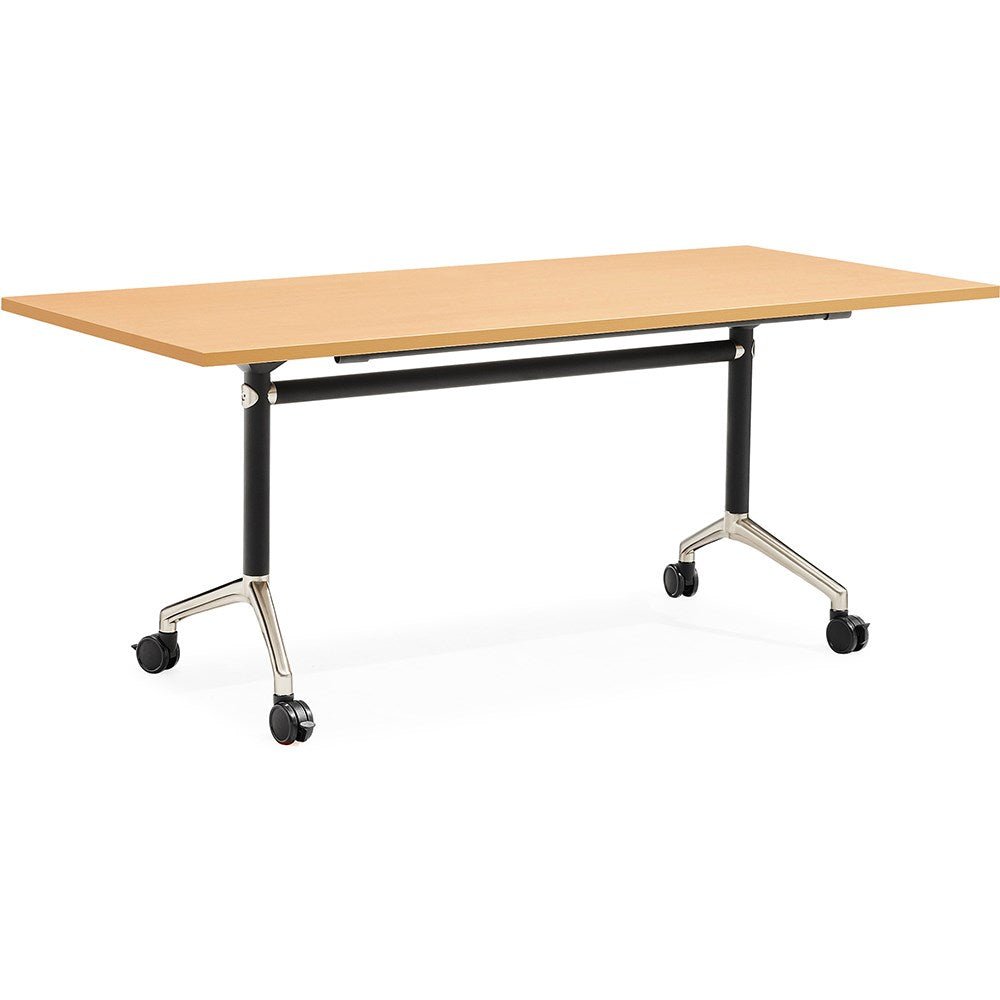
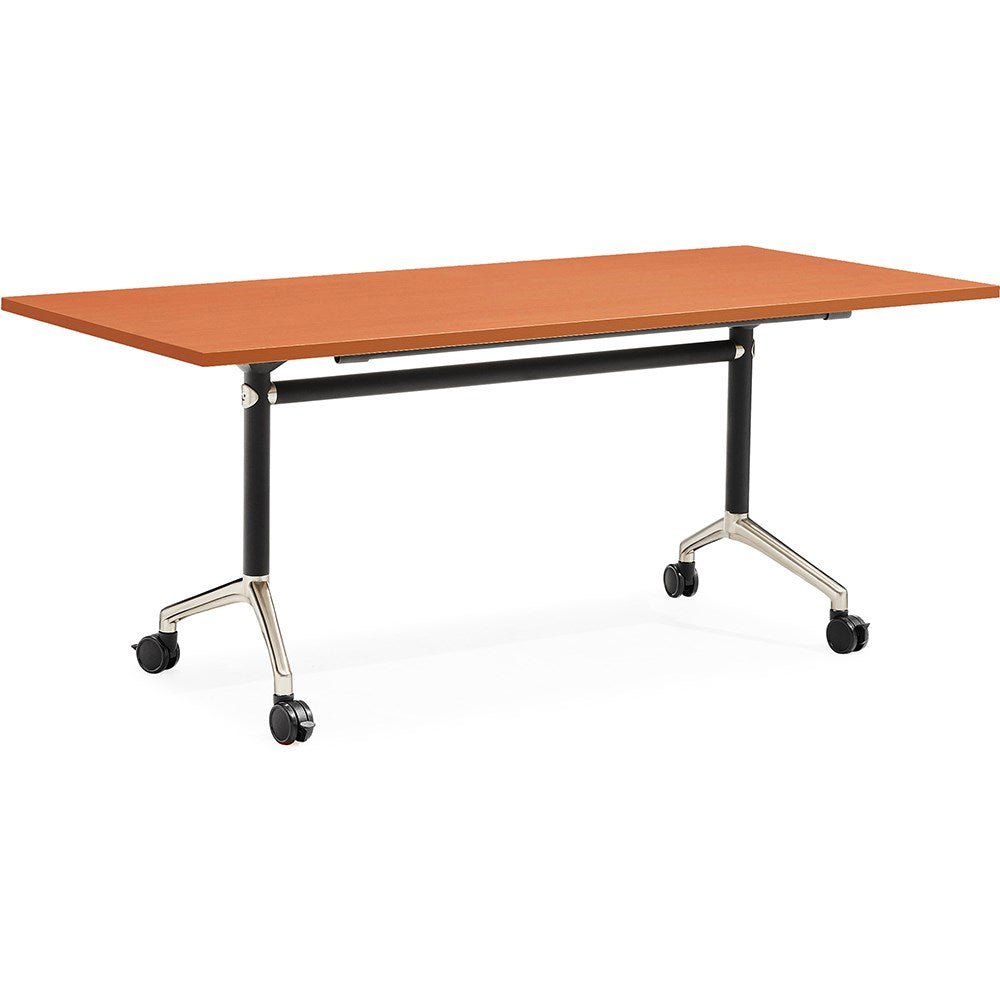


A flip-top table is a table with a hinged mechanism that allows the tabletop to rotate from a horizontal working position into a vertical position. Many commercial flip-top tables also include castors, allowing them to be moved and nested together for compact storage. They are particularly useful in training rooms, classrooms, meeting spaces and multipurpose areas where layouts change regularly.
A folding table generally has legs or a frame that fold underneath the tabletop, while a flip-top table keeps its frame upright and rotates the tabletop vertically. Folding tables are useful when the table needs to be packed away completely, whereas flip-top tables are ideal for commercial spaces where tables need to be quickly moved, nested and reconfigured.
Yes. Commercial-grade folding tables are designed for regular use in offices, schools, training rooms, conference facilities, community centres and hospitality environments. For frequent use, look for durable frames, quality folding mechanisms, commercial-grade tabletops and appropriate warranties or certifications.
The best storage method depends on the table design. Traditional folding tables can usually be folded and stored flat or placed on a suitable table trolley, while flip-top tables are designed to nest closely together with their tops in the vertical position. Nesting flip tables can significantly reduce the floor space required and make it easier to move multiple tables in and out of a multipurpose room.
Weight capacity varies considerably depending on the tabletop, frame construction, folding mechanism and overall design, so the manufacturer's specified load rating should always be checked. Commercial models are typically designed for normal office, training and meeting-room equipment rather than unusually heavy loads. For example, the Modulus Flip Table available from Office Furniture Designs has a specified 140 kg weight capacity and AFRDI Level 3 Severe Commercial certification.