Filters
6 products



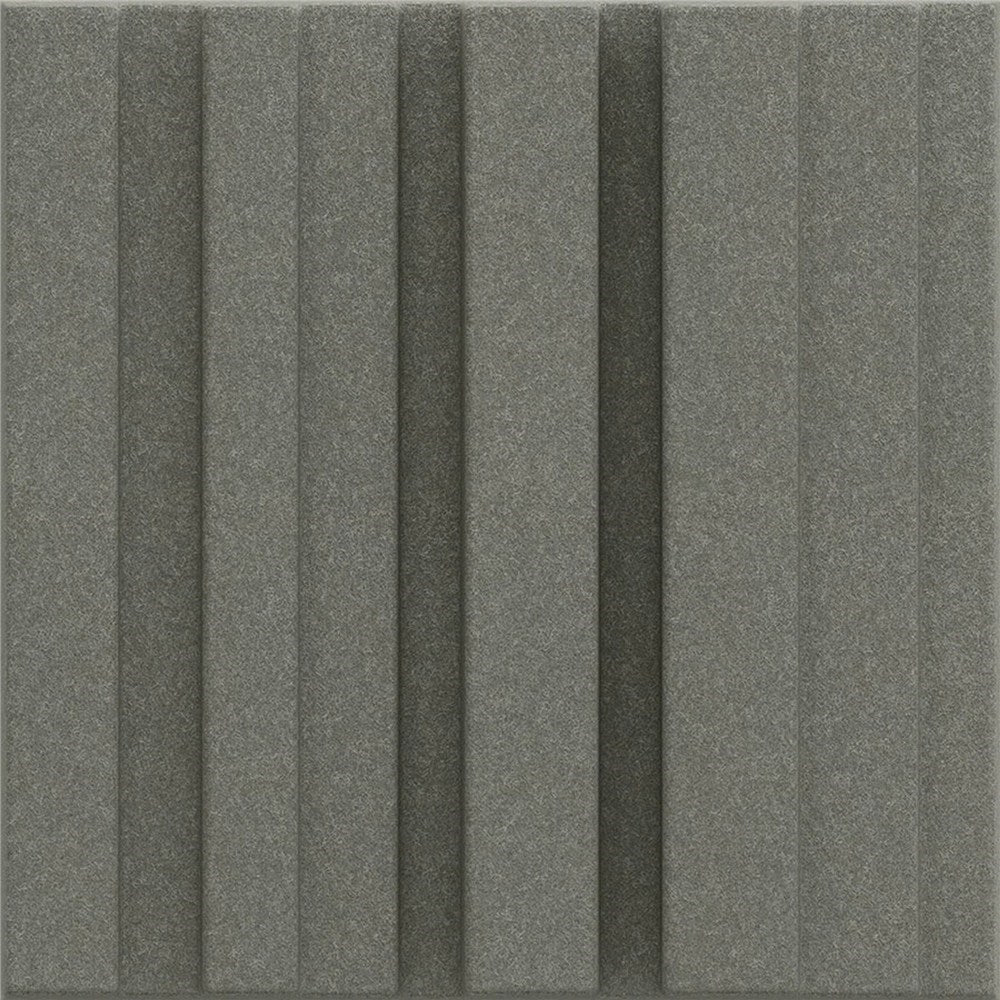


Acoustic walls are wall systems or wall-mounted panels designed to improve the sound quality within a space by absorbing sound waves and reducing reverberation. Rather than allowing noise to bounce off hard surfaces such as plaster, glass or concrete, acoustic wall materials capture and dissipate sound energy. This can make offices, classrooms, meeting rooms, libraries and other commercial spaces feel quieter and improve speech clarity.
NRC stands for Noise Reduction Coefficient and is a commonly used measure of how effectively an acoustic material absorbs sound. NRC values generally range from 0 to 1, with a higher number indicating greater sound absorption. For example, a panel with an NRC of 0.80 absorbs a significant proportion of the sound energy that reaches it, helping reduce echo and reverberation within the room.
For offices, classrooms, meeting rooms and other commercial interiors, acoustic panels with an NRC of around 0.70 or higher are commonly considered effective for controlling reverberation. The ideal rating will depend on the size of the room, ceiling height, amount of glass and other hard surfaces, occupancy levels and the type of noise being managed. A complete acoustic solution should consider both the NRC rating and the quantity and placement of the panels.
Acoustic wall panels can be manufactured from a range of sound-absorbing materials, including PET polyester fibre, fabric-wrapped acoustic insulation, foam, timber acoustic systems and other specialised composite materials. PET panels are particularly popular in modern commercial interiors because they can provide effective sound absorption while offering a wide choice of colours, shapes and decorative finishes. Many PET acoustic products also incorporate recycled material.
The cost of an acoustic wall installation depends on factors such as the size of the area, type and thickness of acoustic material, panel quantity, NRC performance, custom colours or shapes, wall condition, installation method and site access. Custom branding, printed designs, complex layouts and installation outside normal working hours can also influence the final price. For larger office, education or commercial projects, an acoustic assessment and site-specific quote can help determine the most cost-effective solution.