Filters
13 products
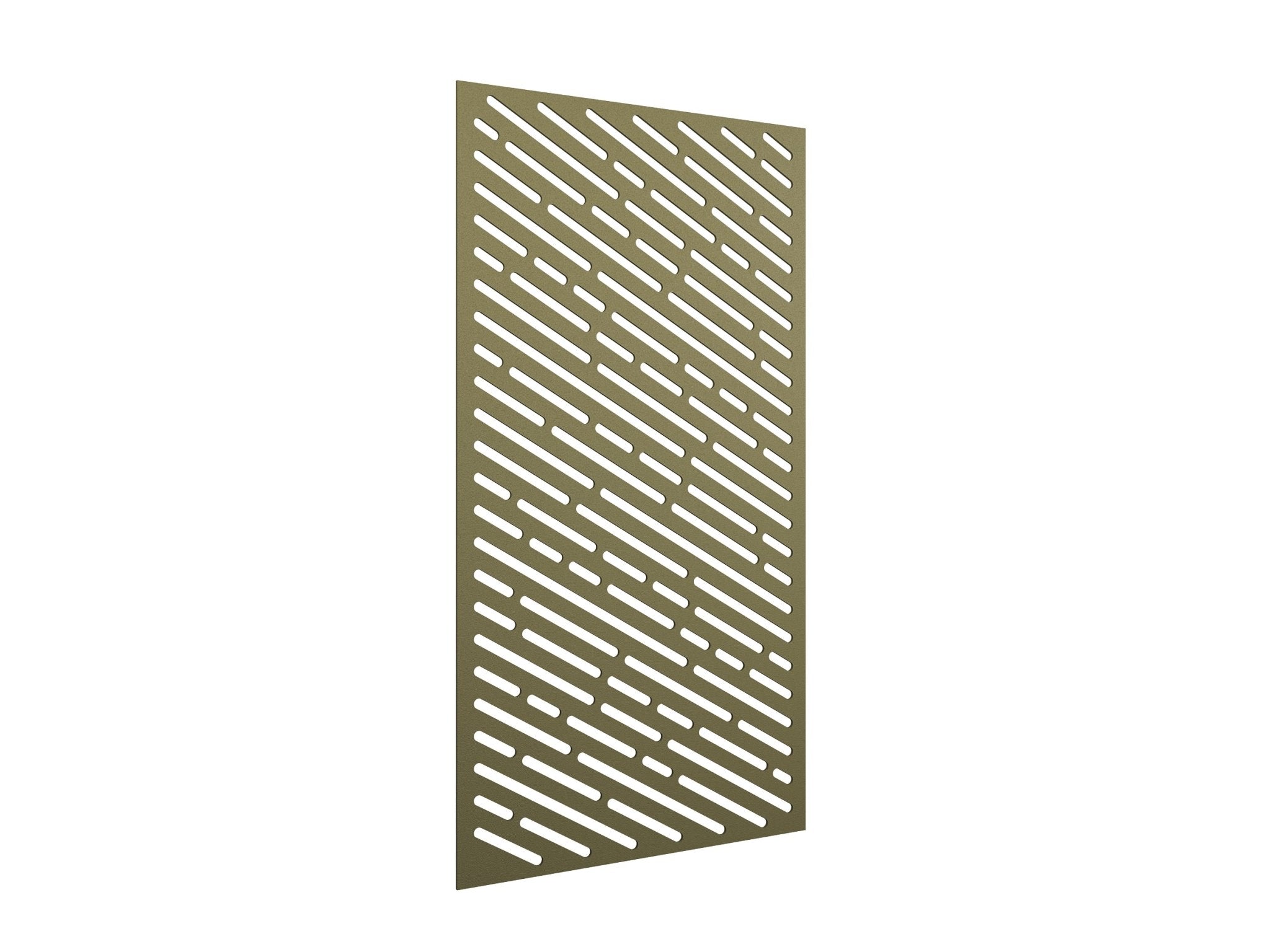
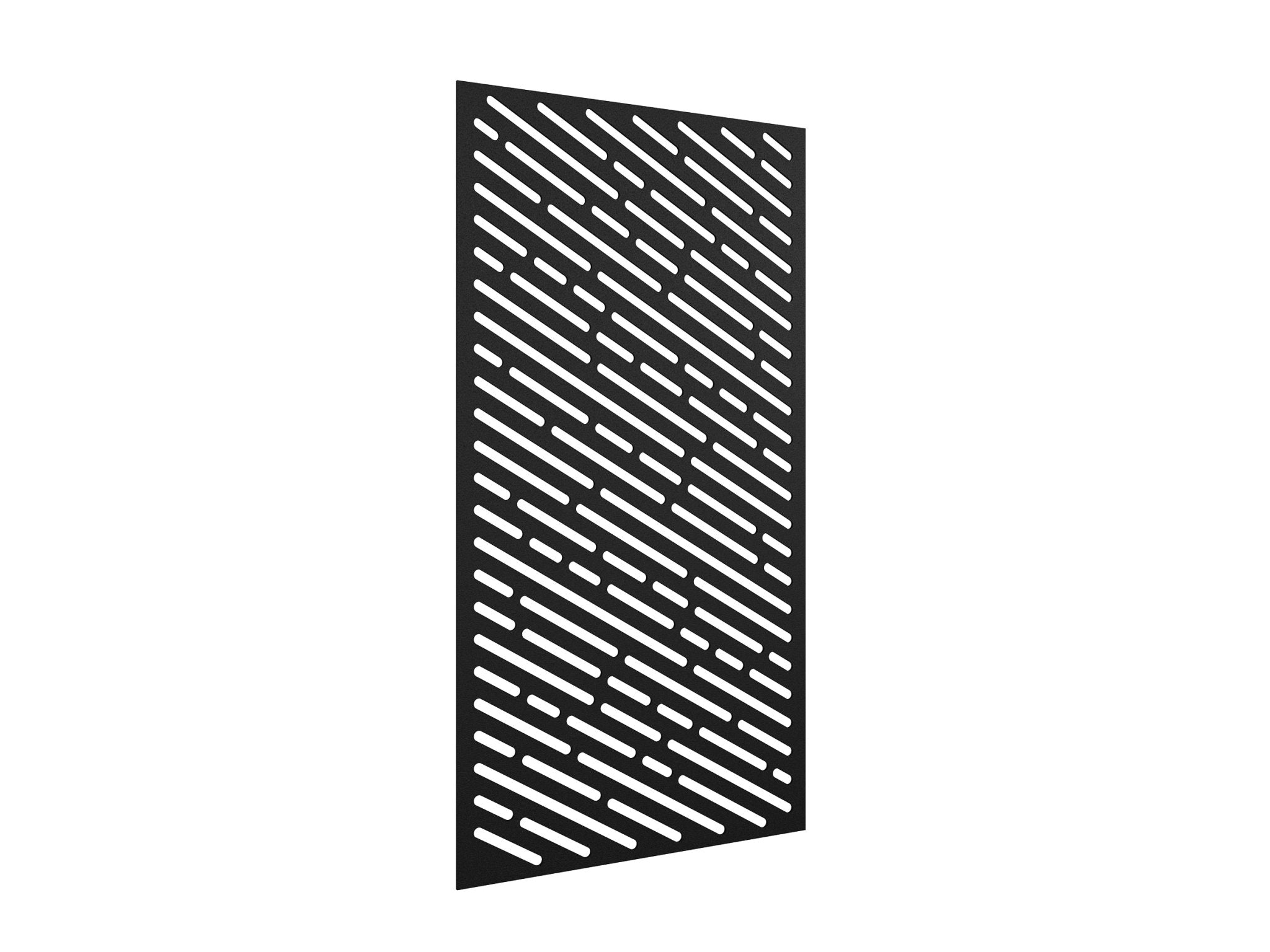
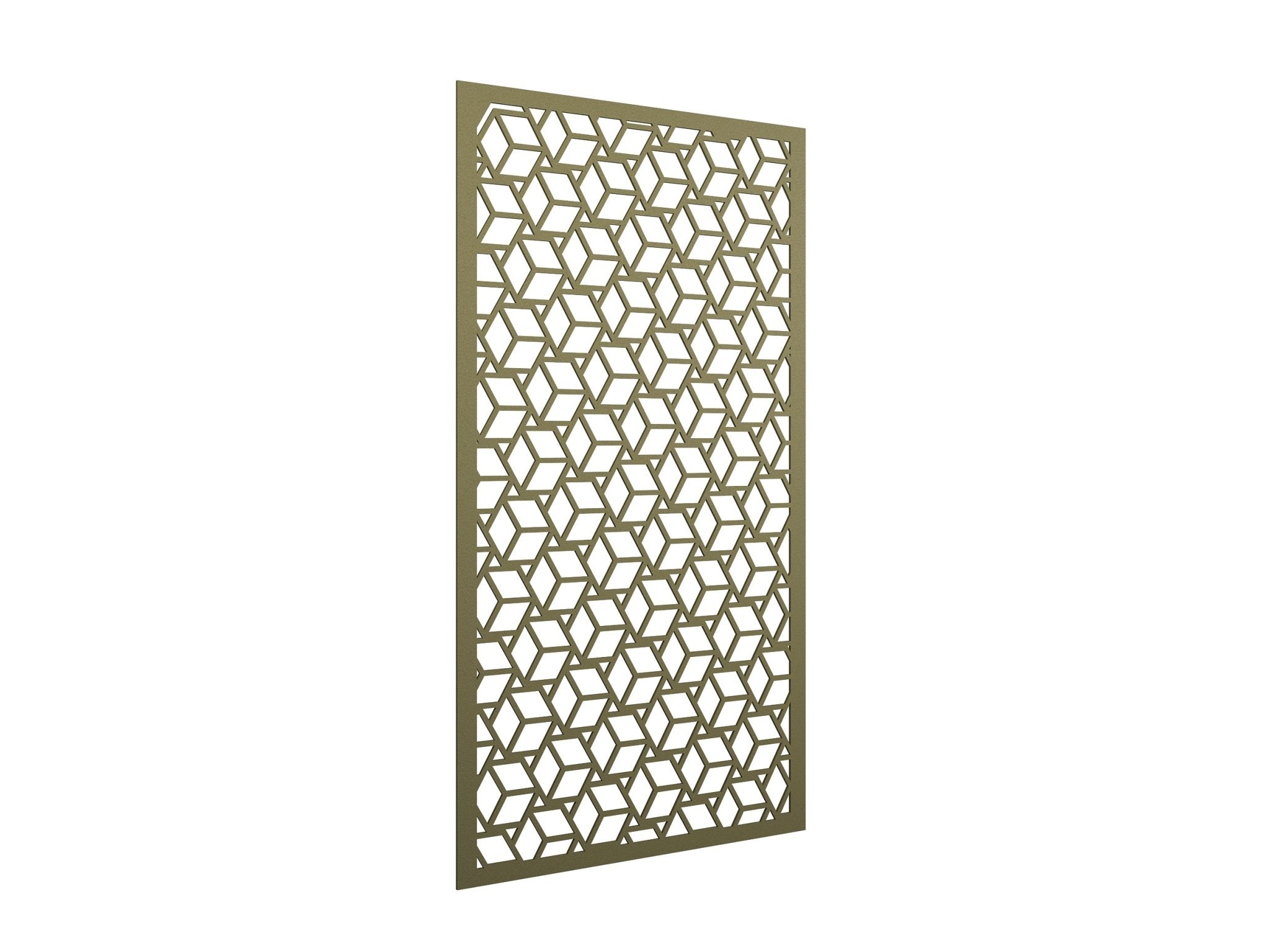
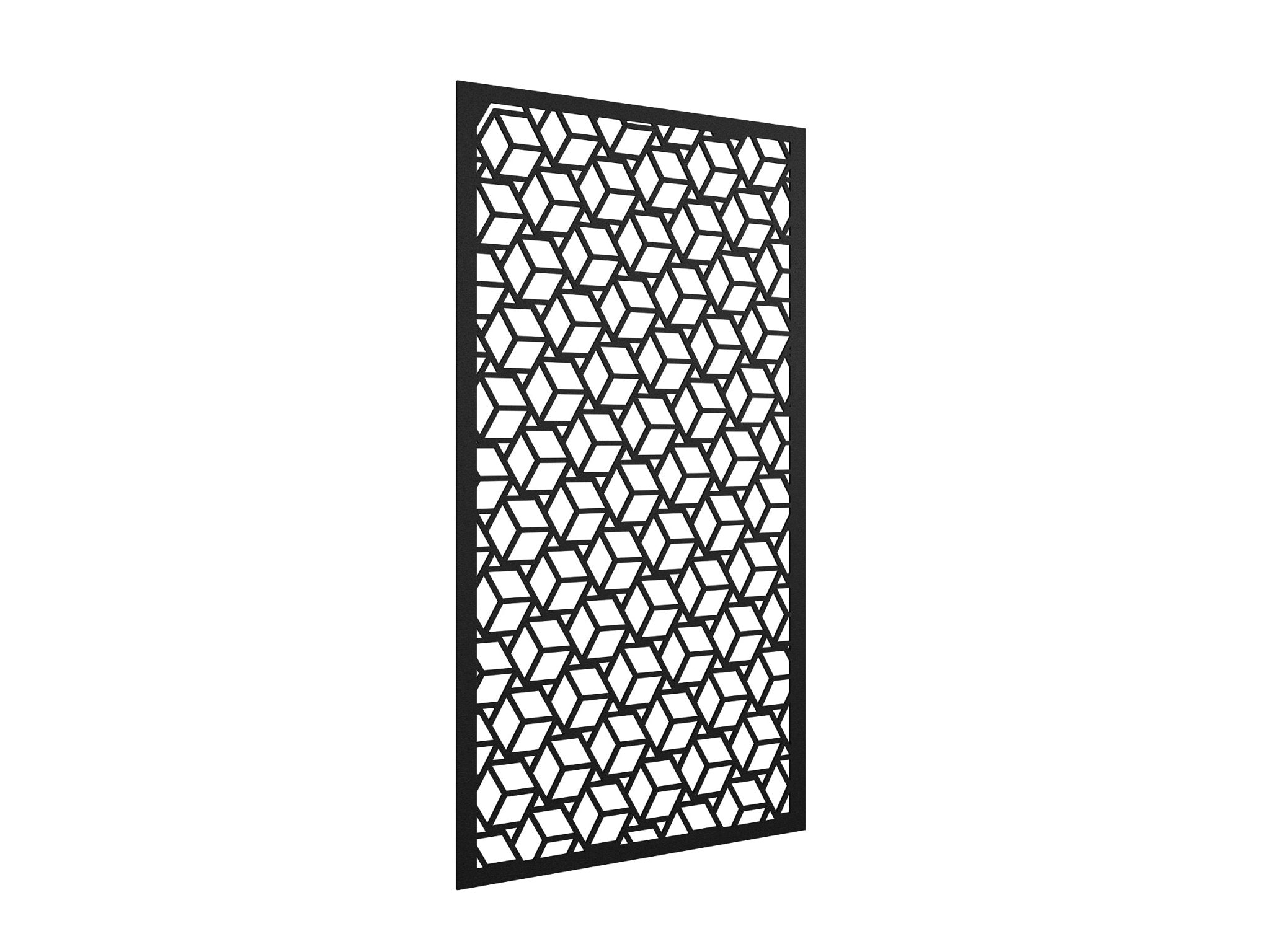
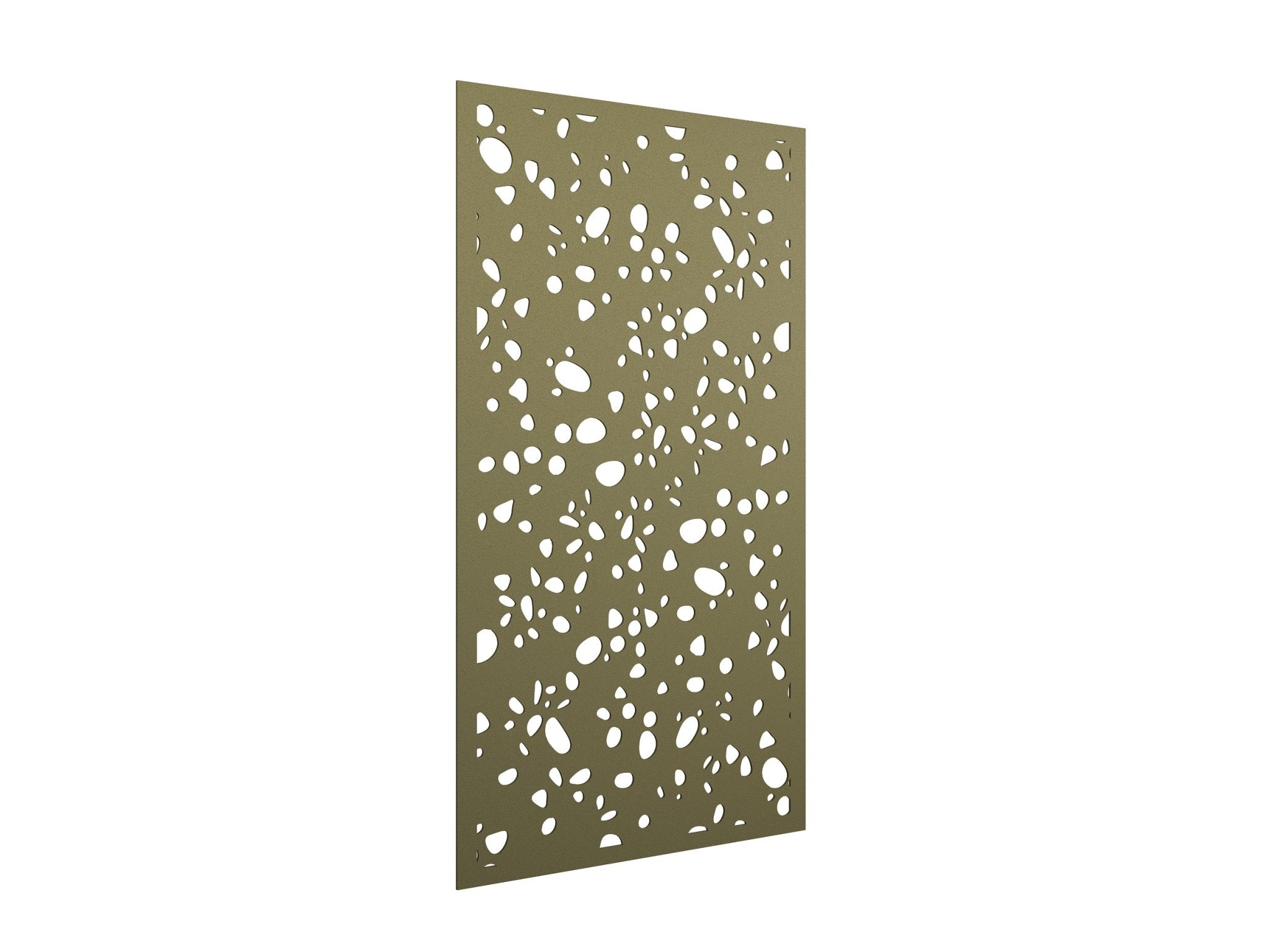
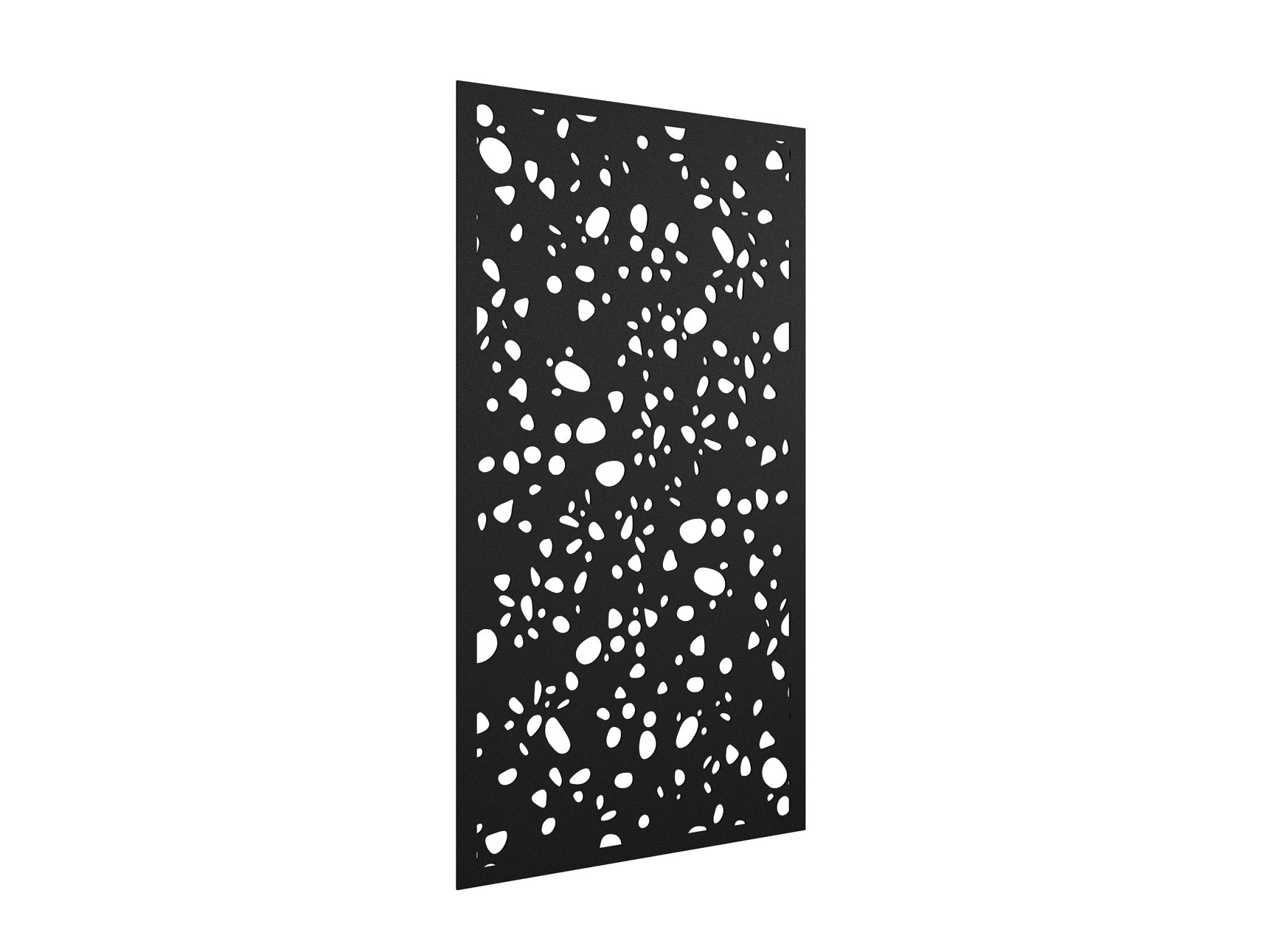
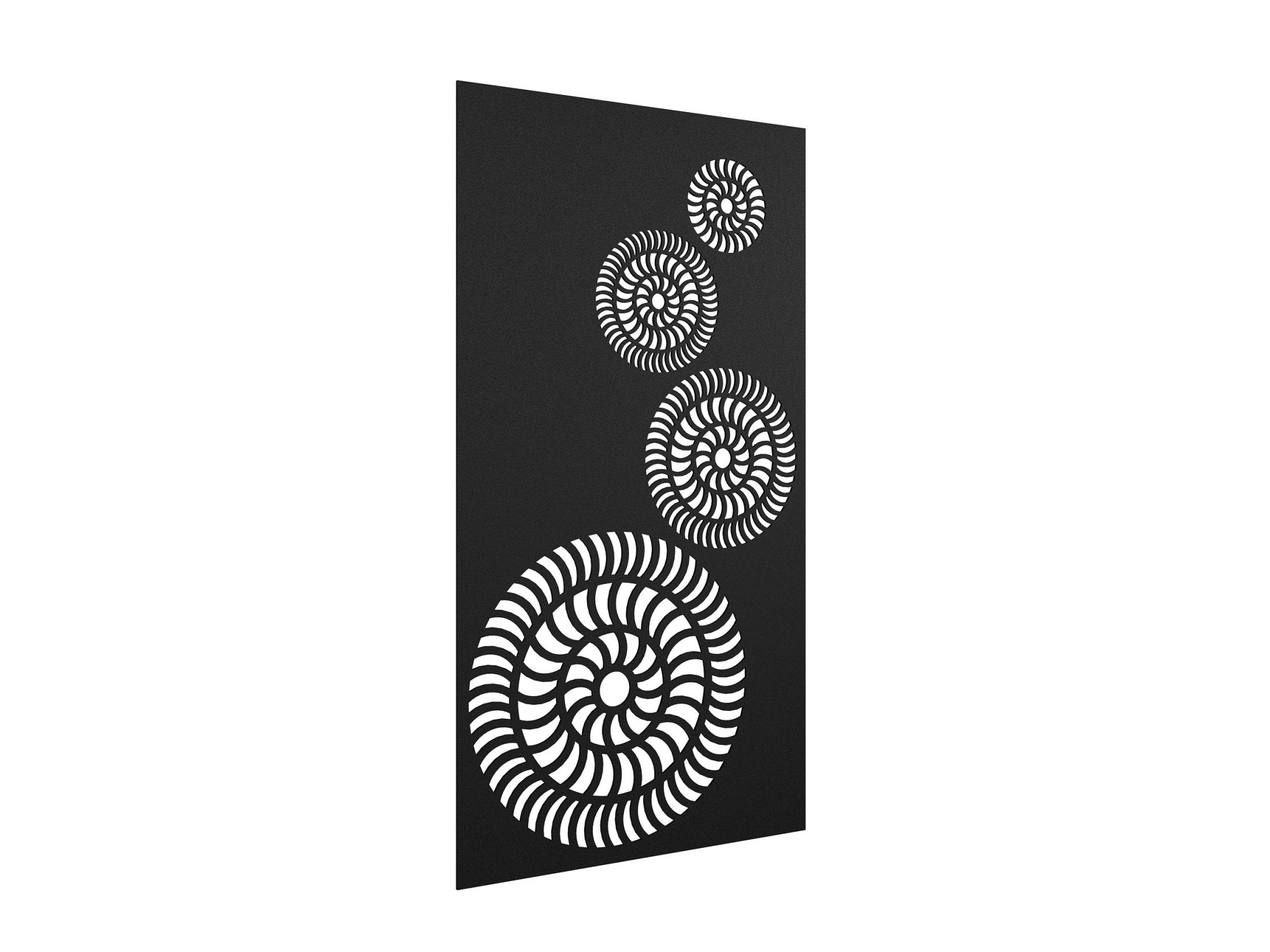

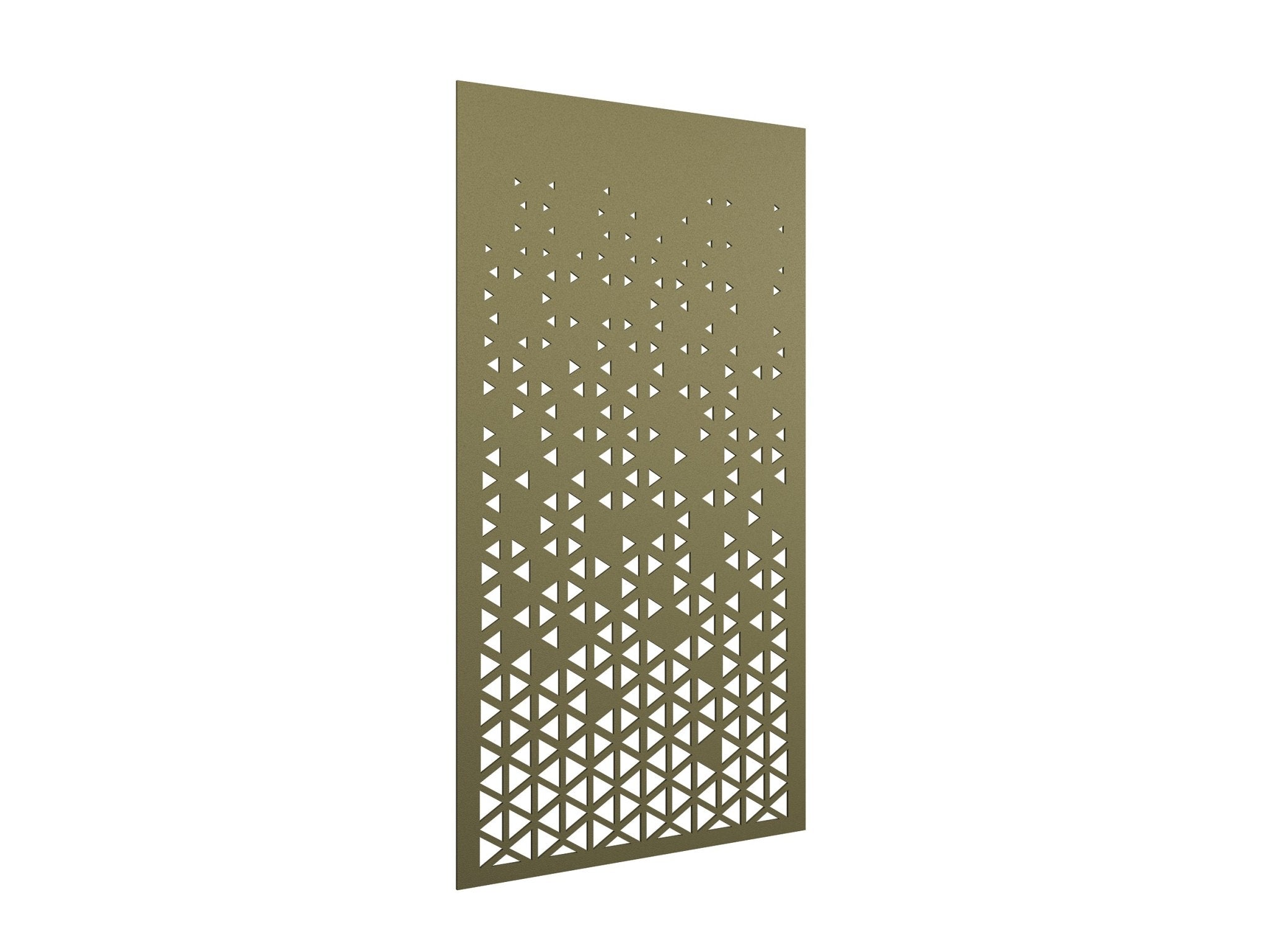
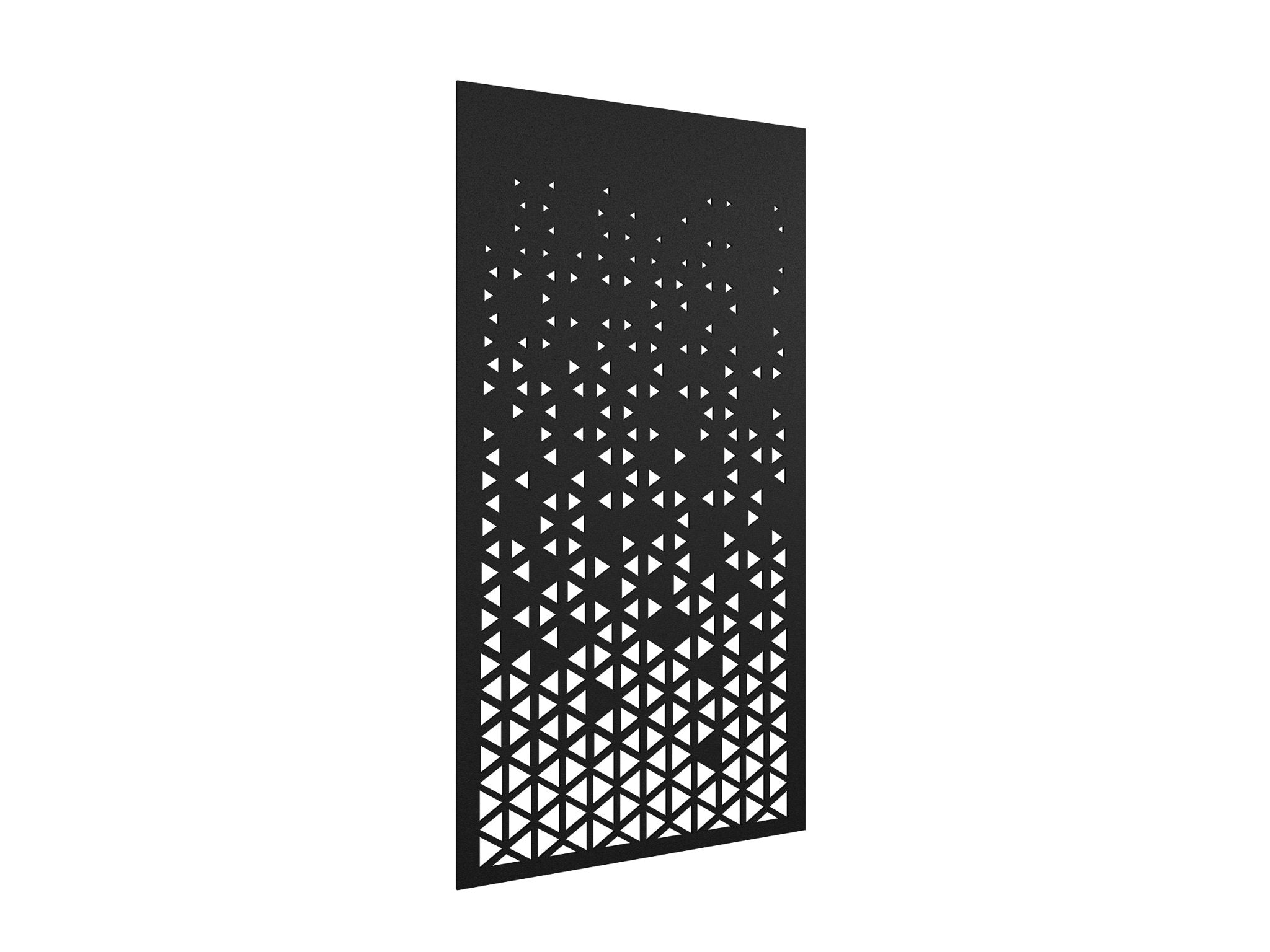


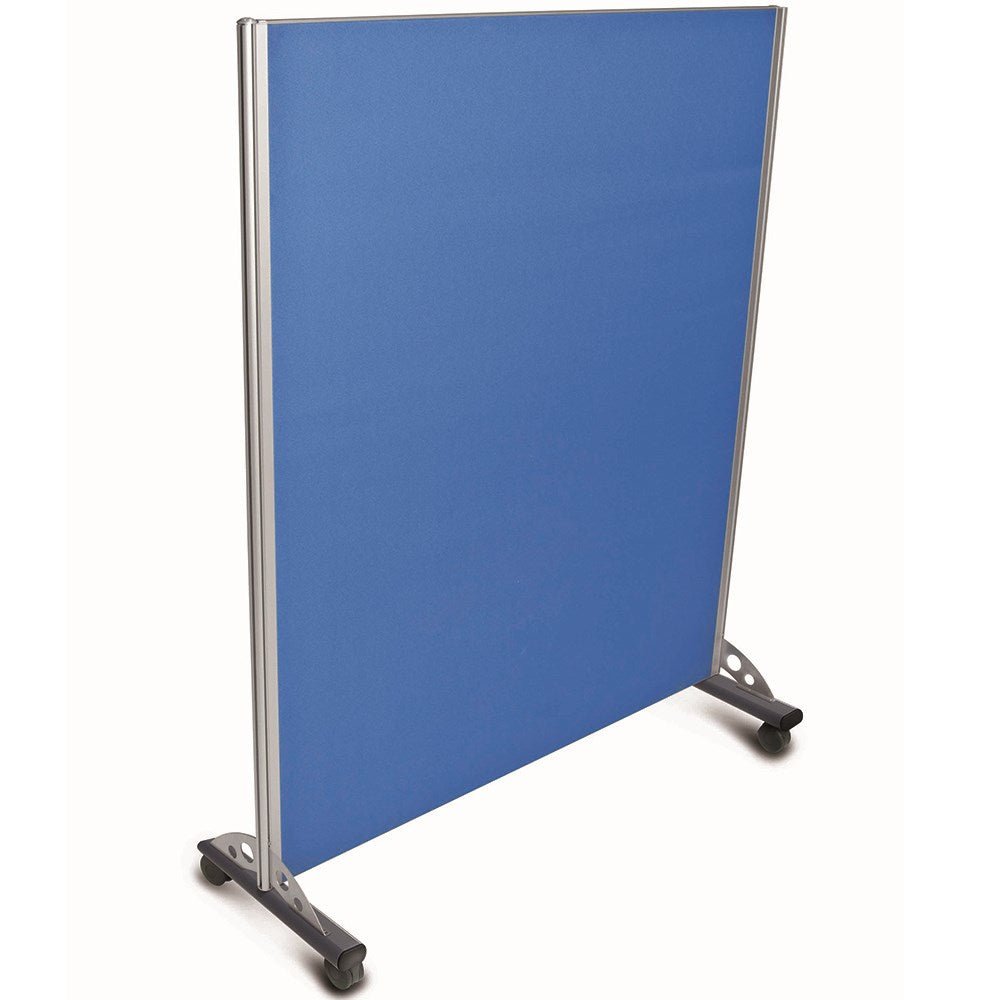
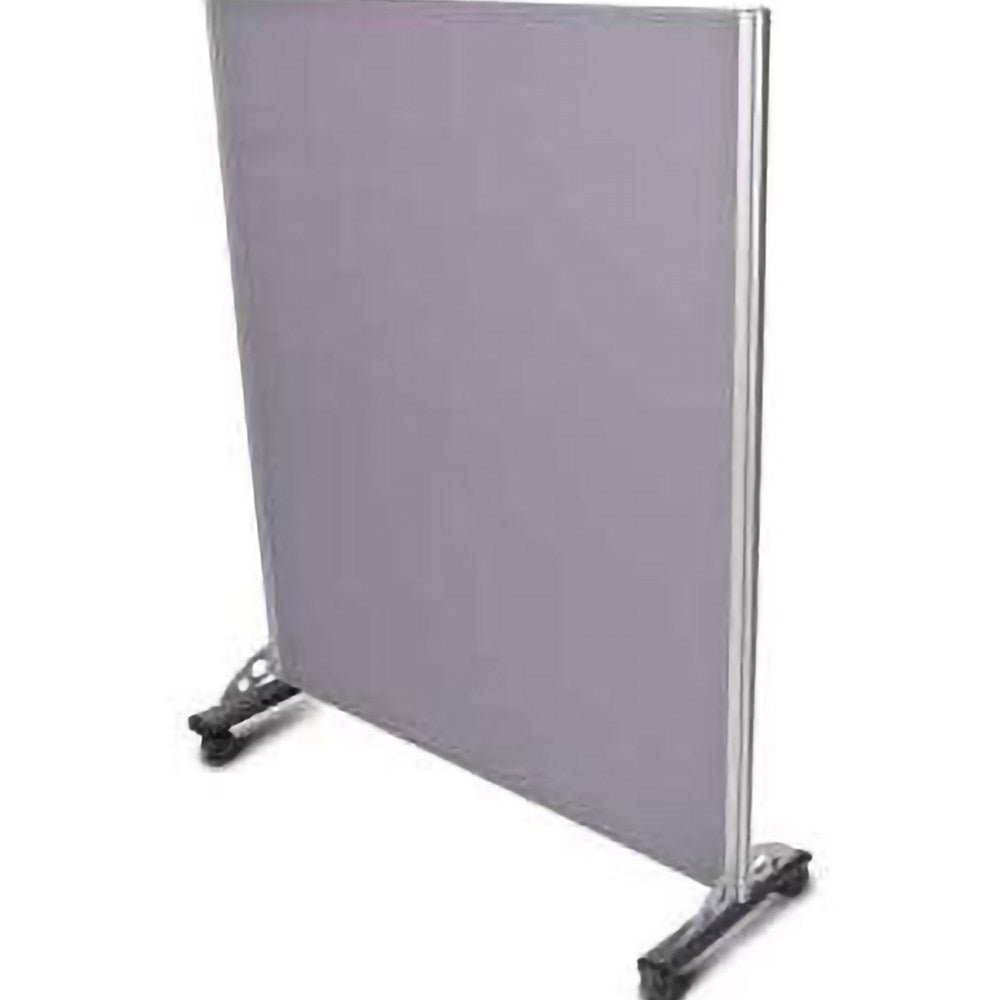


A room divider is used to separate larger spaces into smaller, more functional areas without building permanent walls. In offices, schools, healthcare facilities and other commercial environments, room dividers can create private work zones, meeting areas, quiet spaces or temporary rooms while allowing the layout to be changed as needs evolve.
For an acoustic room divider, look for a tested NRC (Noise Reduction Coefficient) or comparable sound-absorption rating. NRC ranges from 0 to 1, with higher numbers indicating greater sound absorption; around 0.50–0.70 provides effective absorption for many offices and classrooms, while higher ratings offer stronger acoustic performance. Remember that NRC measures sound absorption, not soundproofing, so a high-NRC divider will help control echo and ambient noise but will not completely block sound between spaces.
Yes. Many modular room divider systems allow multiple panels or complete divider units to be joined together, making it possible to create longer partitions or customised layouts. Depending on the product, panels may connect using zips, clips or dedicated connectors and can often be arranged in straight, angled or curved configurations.
A correctly designed and installed commercial room divider should be stable during normal use, although stability varies between products. Look for features such as wide or weighted feet, steel-reinforced frames, locking castors and stabilising hinges, and always follow the manufacturer's recommended configuration. Dividers should also be positioned carefully in high-traffic areas and not used in ways that could compromise their stability.
Room dividers are available in a wide range of materials depending on their intended use. Common options include fabric-covered acoustic panels, recycled PET, timber, acrylic or polycarbonate, metal and composite panels. Fabric and PET products are popular where sound absorption is important, while clear or frosted acrylic dividers are useful where separation is required without significantly reducing light or visibility.