Filters
50 products


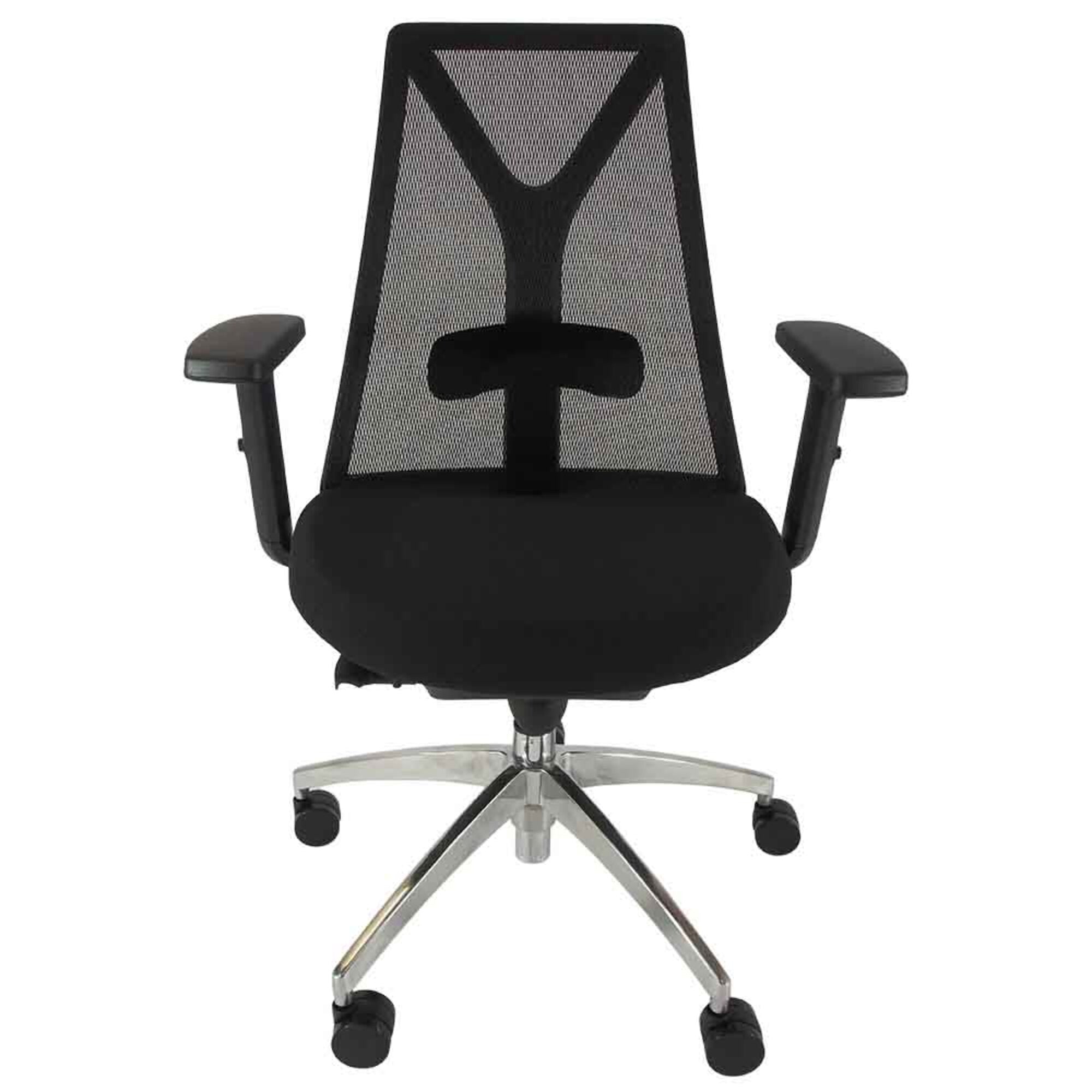
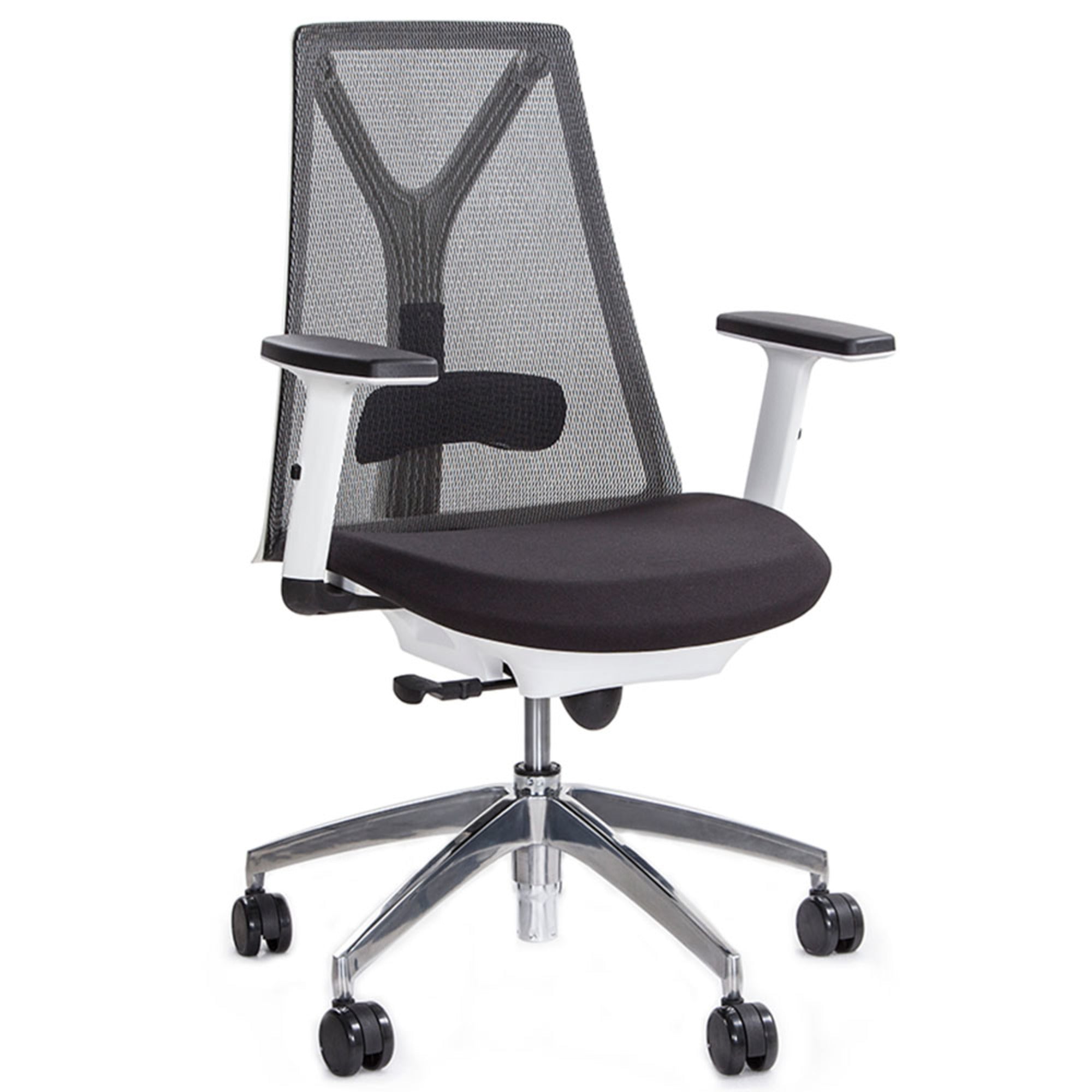


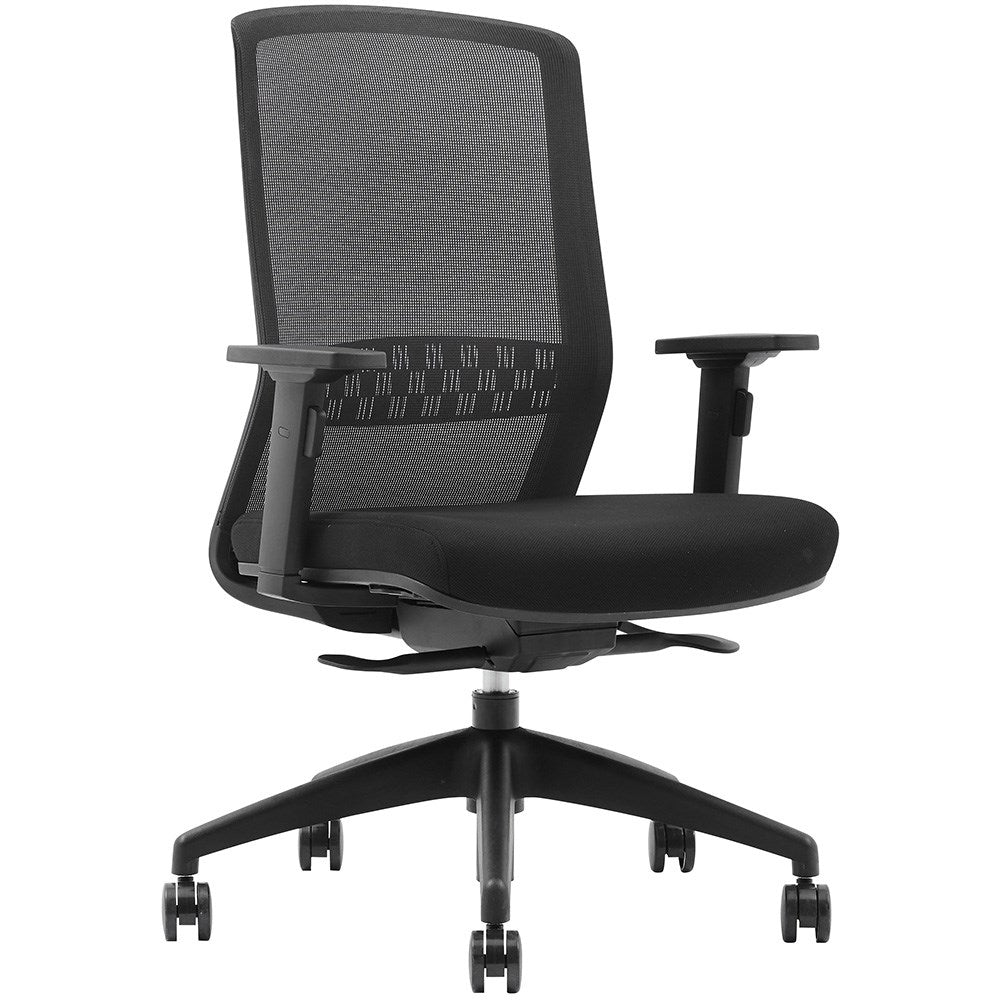
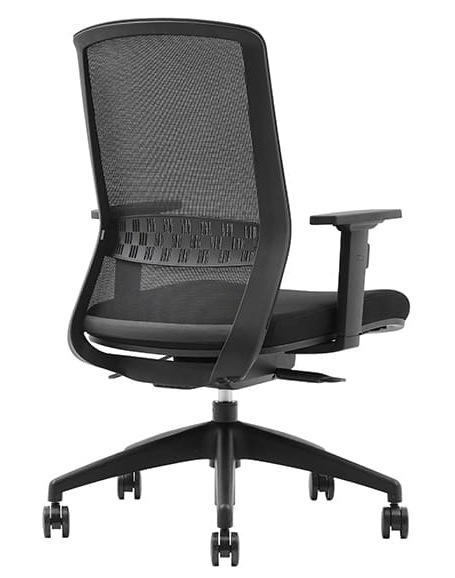


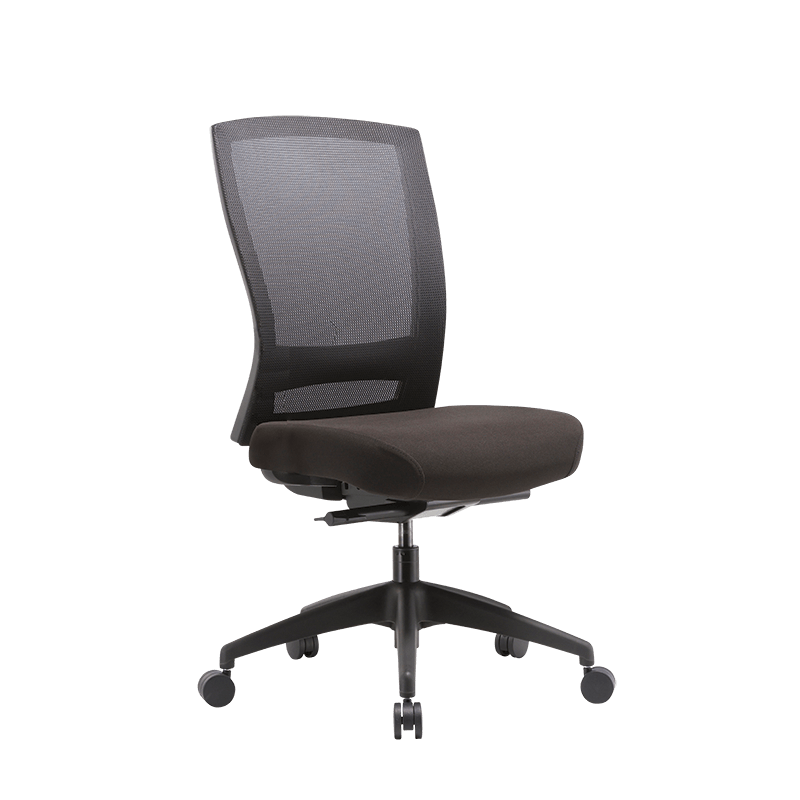
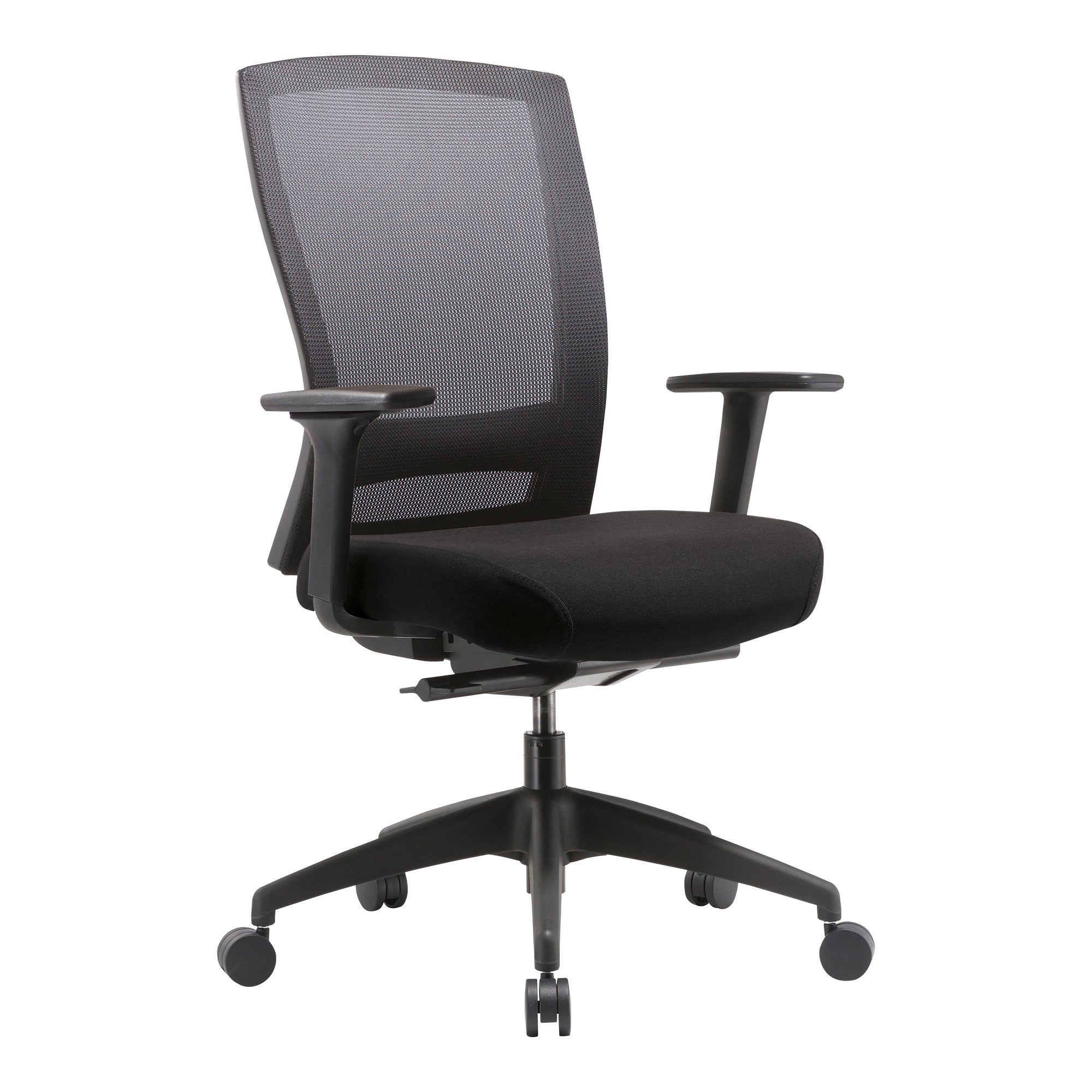
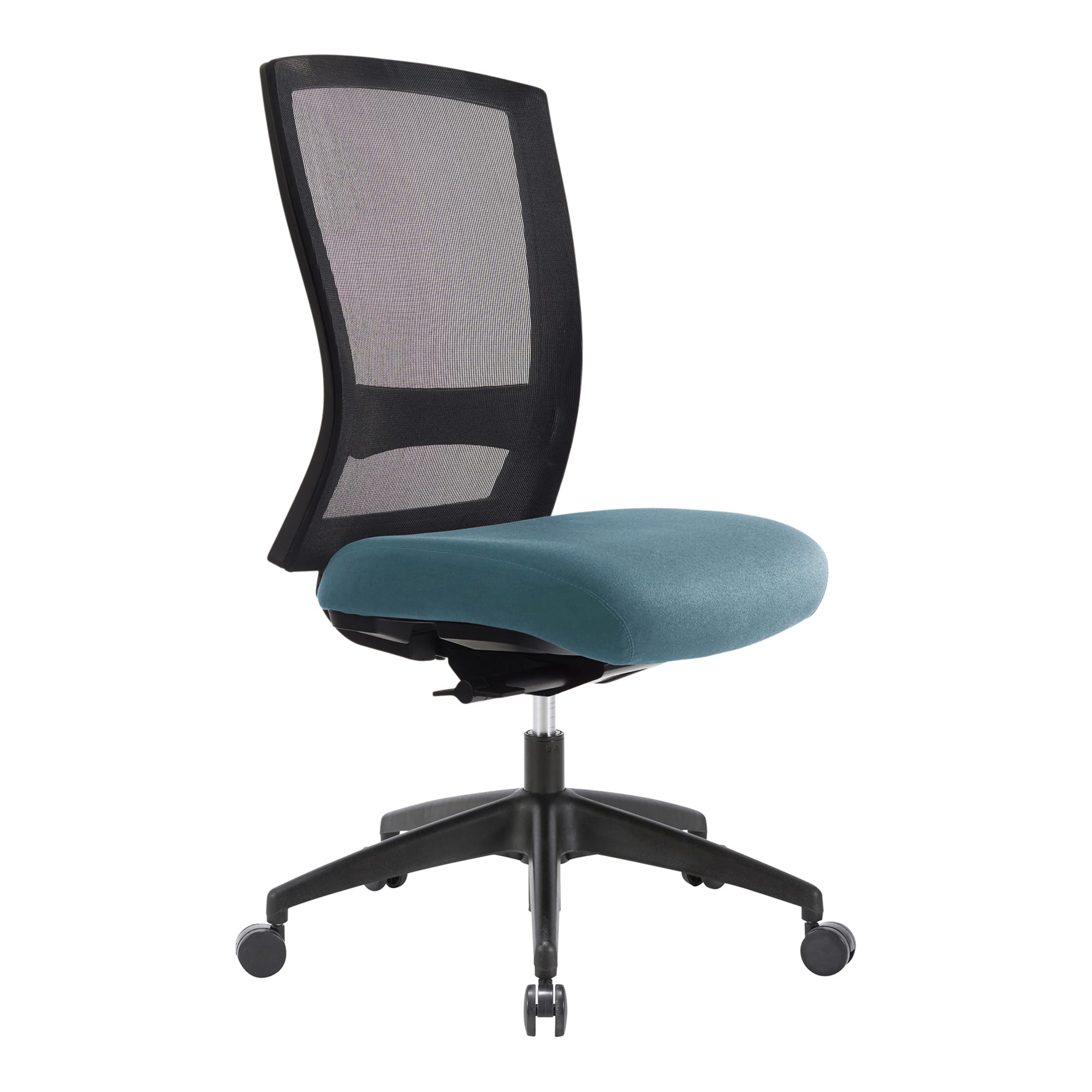
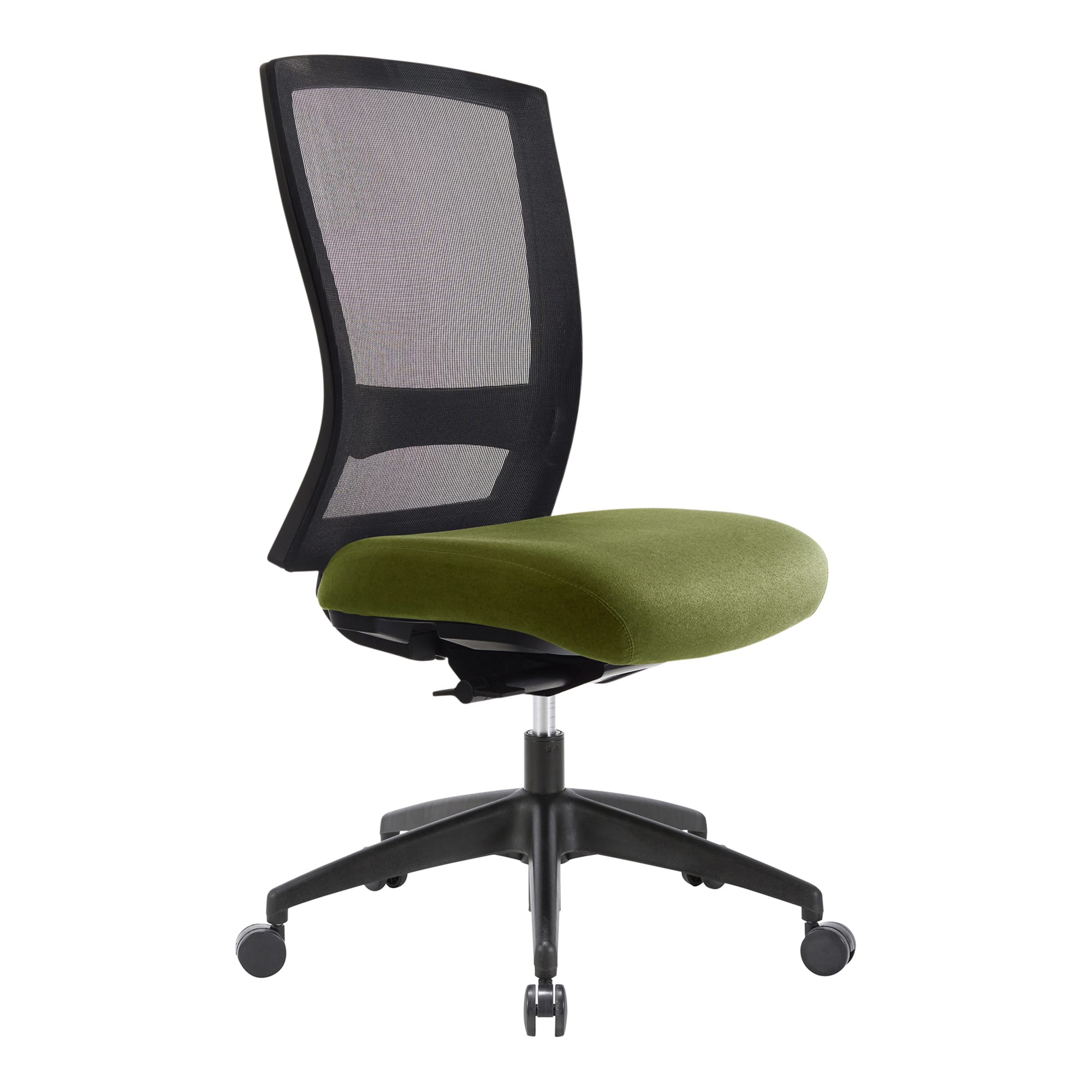
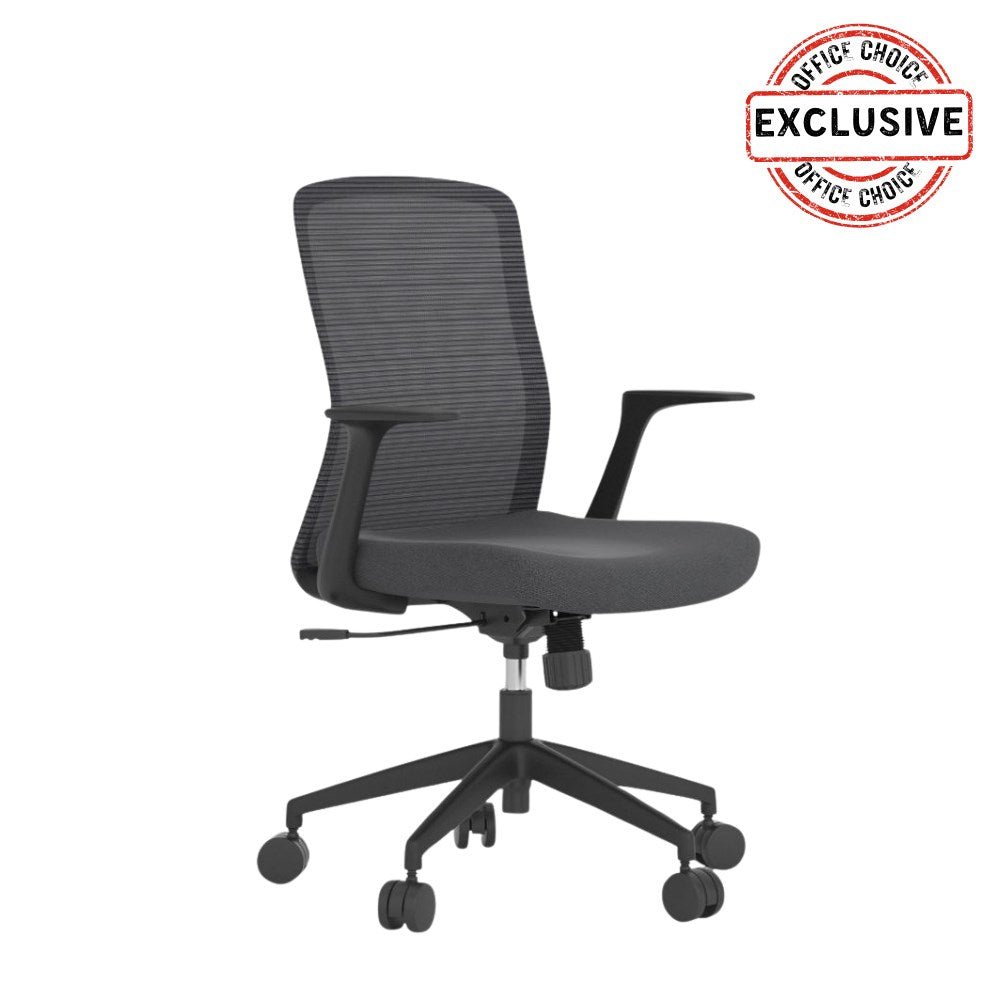
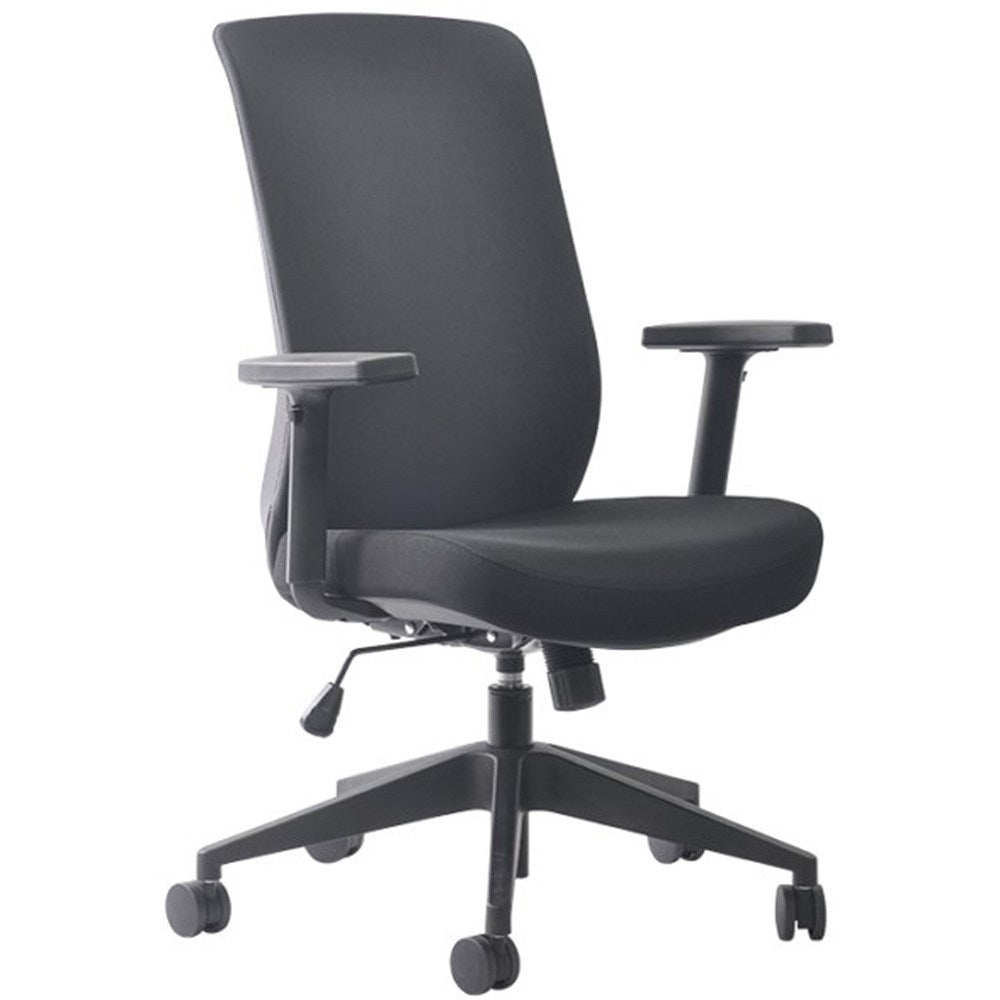


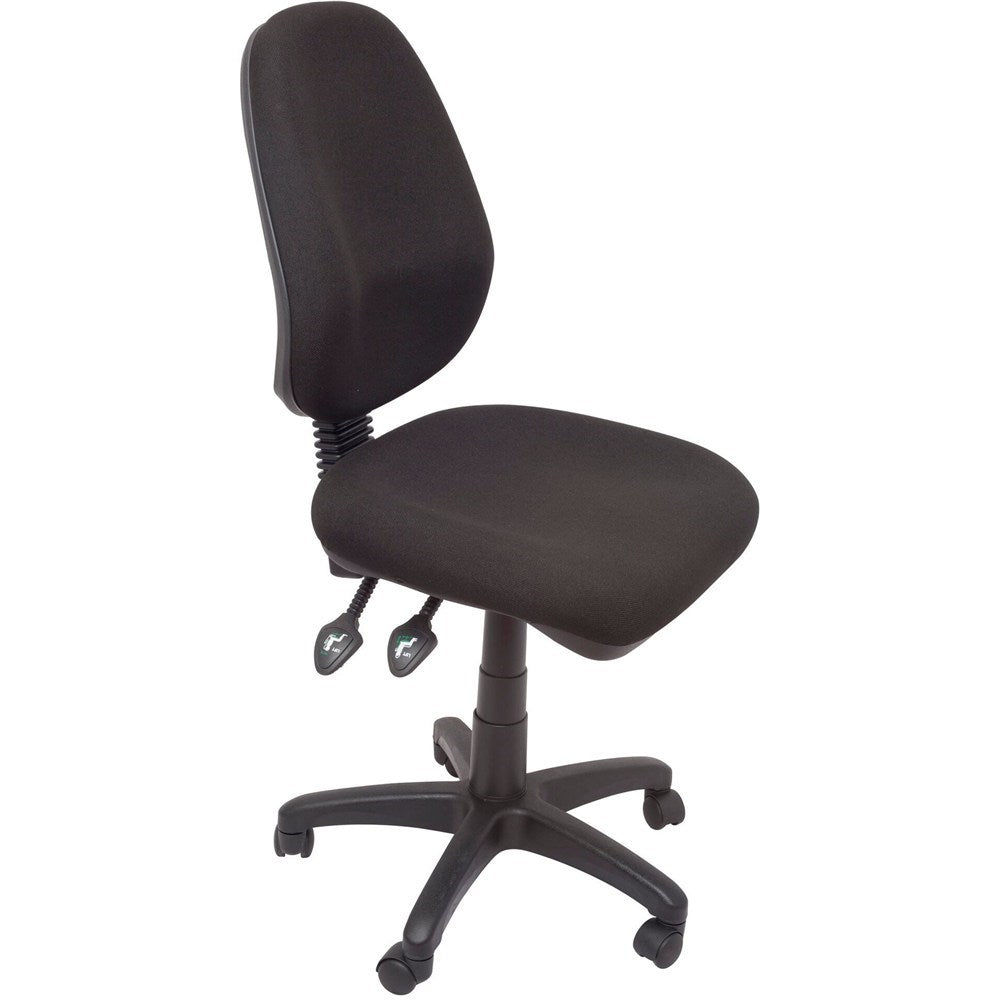


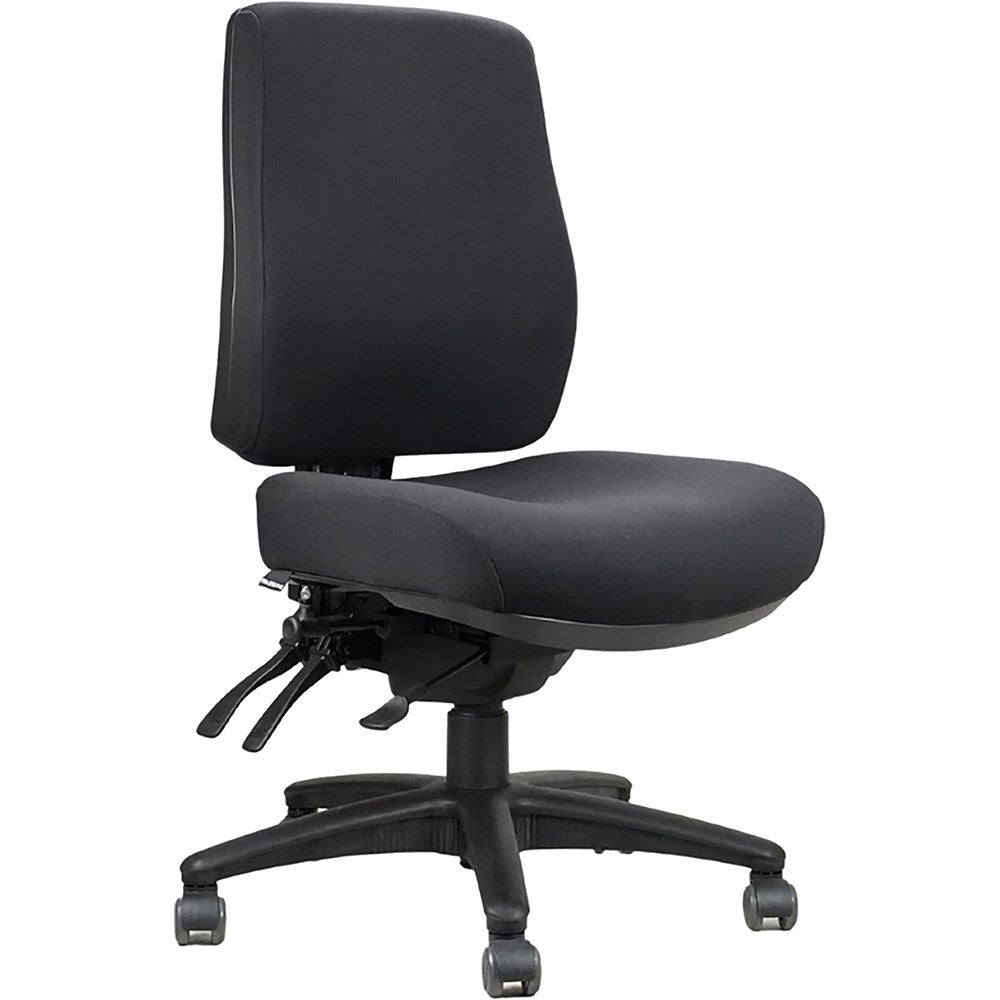


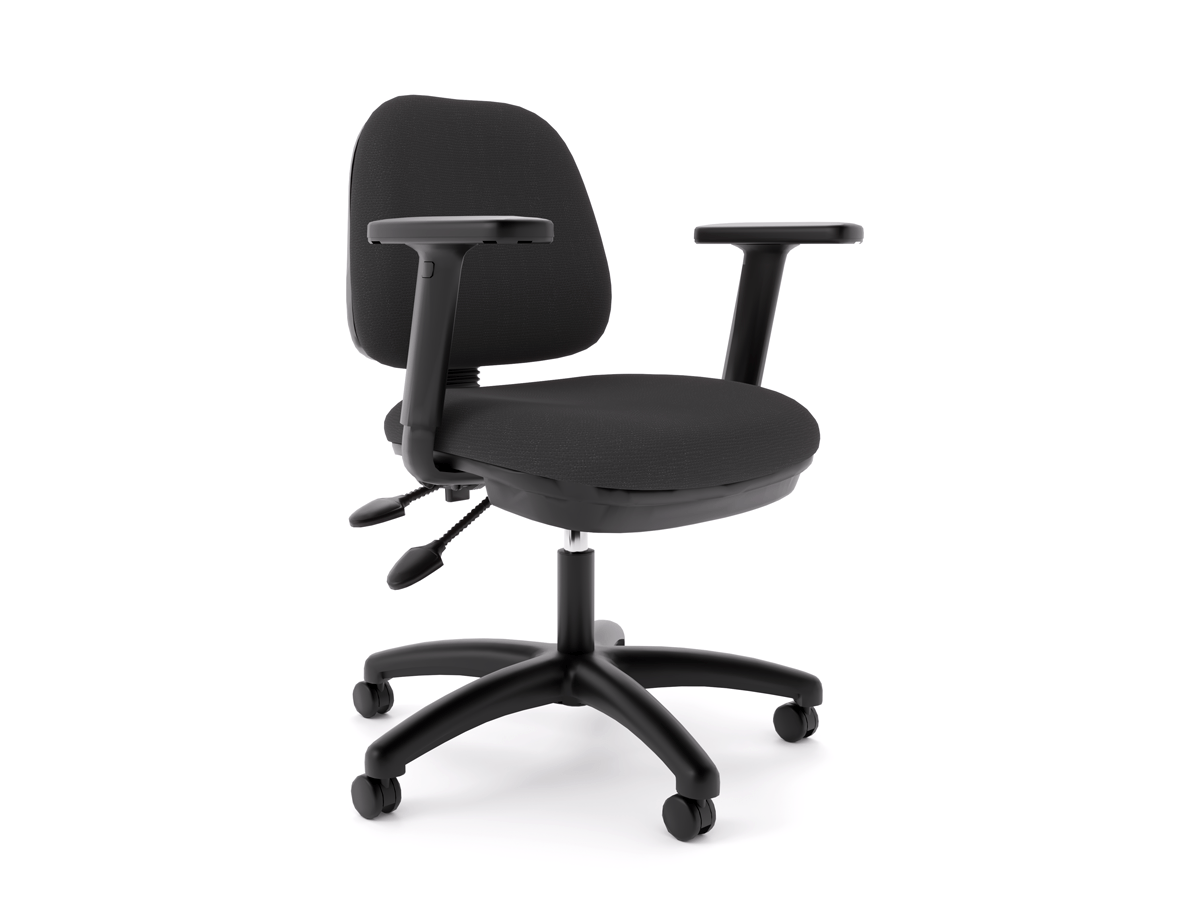
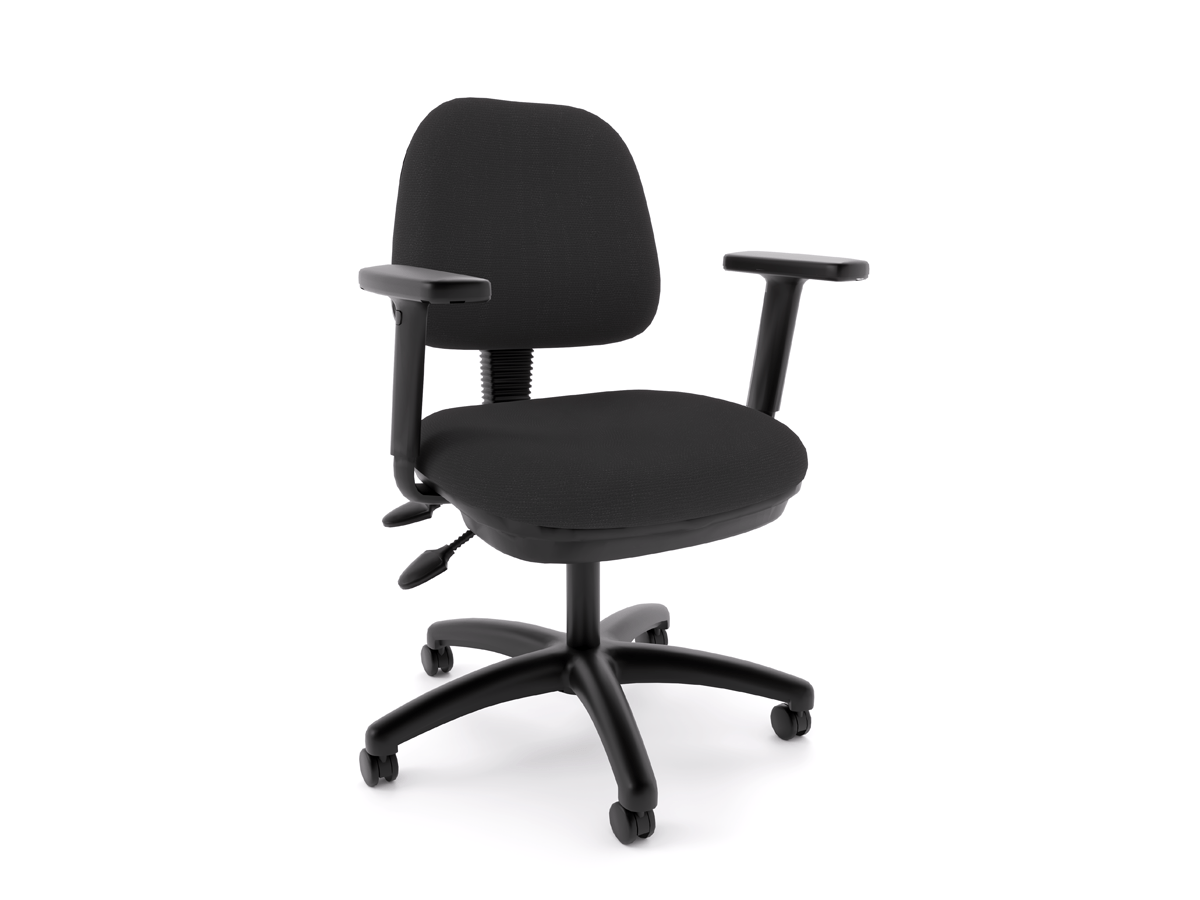


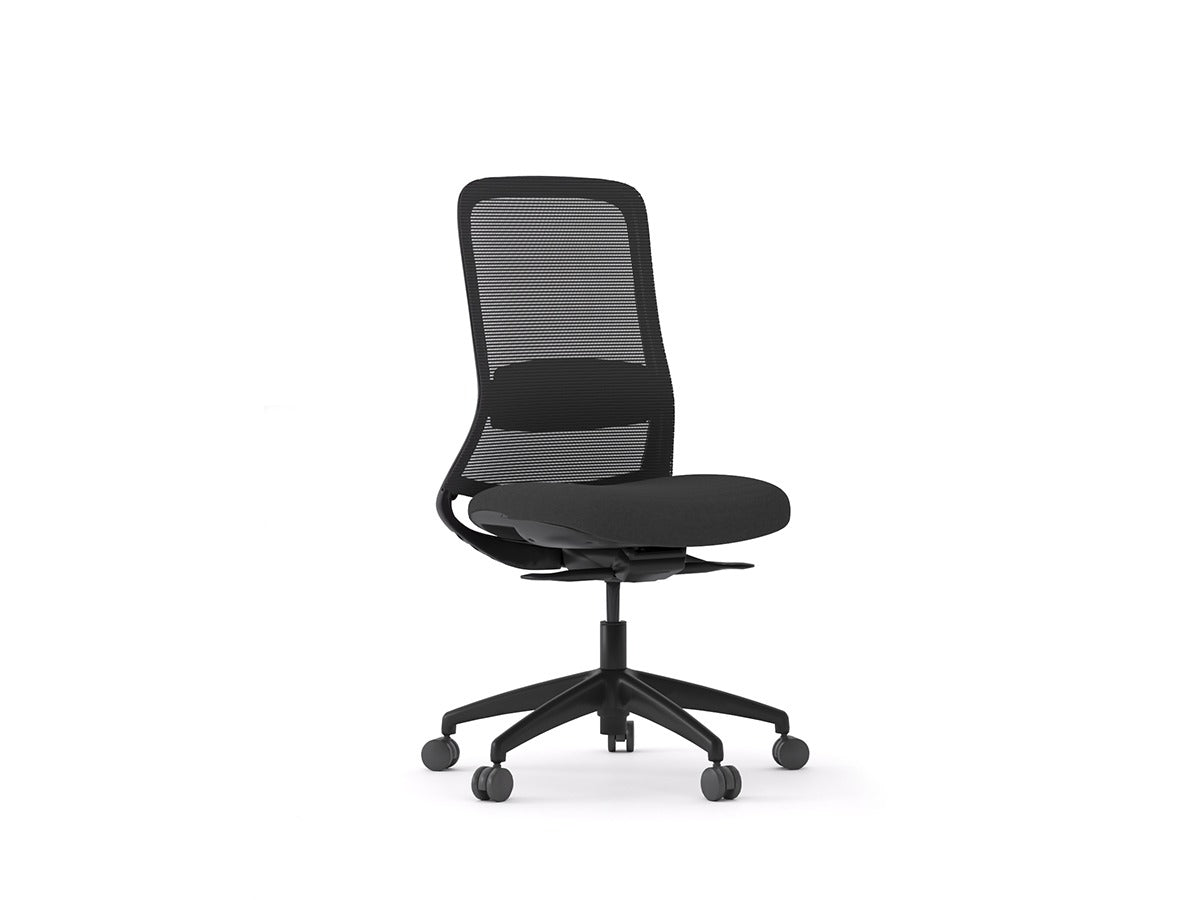
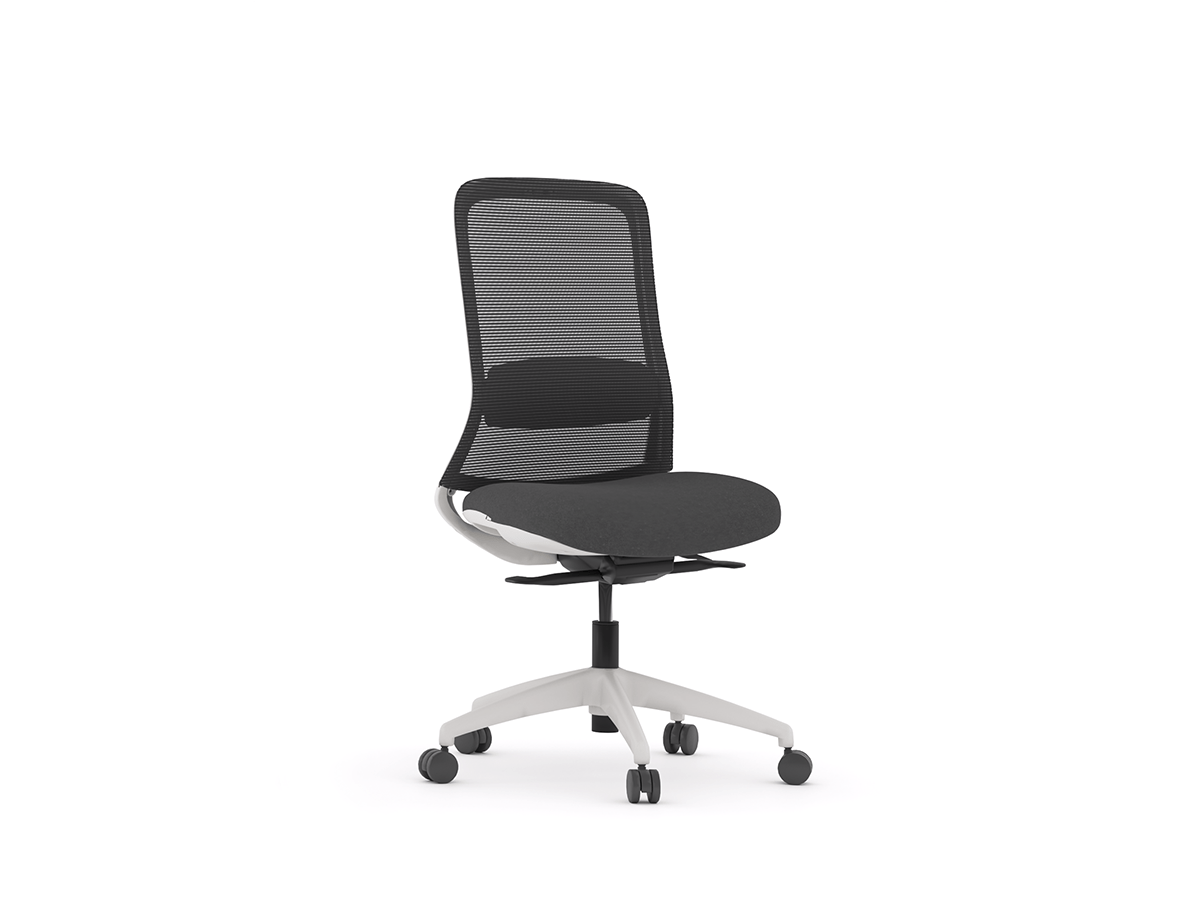
An ergonomic task chair is designed to support the body during extended periods of seated work. Key features typically include adjustable seat height, lumbar support, backrest tilt, seat depth and armrests. These adjustments allow the chair to be configured to suit the user’s height, body shape and workstation, helping maintain a more comfortable and supported sitting position.
Look for a chair with adjustable seat height, effective lumbar support, a supportive backrest, seat-depth adjustment, adjustable armrests and a suitable tilt or recline mechanism. A well-padded or breathable seat and a stable five-star base are also important. For commercial workplaces, it can also be worth considering chairs with relevant AFRDI certification and a warranty suited to regular office use.
Start by setting the seat height so your feet rest comfortably on the floor and your knees are approximately level with, or slightly lower than, your hips. Adjust the seat depth so there is a small gap between the front of the seat and the back of your knees. Position the lumbar support against the natural curve of your lower back, then adjust the armrests so your shoulders remain relaxed while working.
Lumbar support should sit against the inward curve of your lower back rather than directly against your pelvis or upper back. For most users, this is around the belt-line area. The correct position should feel supportive without forcing your spine forward, and adjustable lumbar support can help accommodate different heights and body shapes.
Neither option is universally better. Mesh chairs provide greater airflow and can be more comfortable in warmer offices, while upholstered chairs generally offer a softer, more cushioned feel. The best choice depends on personal preference, the working environment and how long the chair will be used each day. In either case, adjustability and ergonomic support are more important than the upholstery material alone.