Filters
3 products

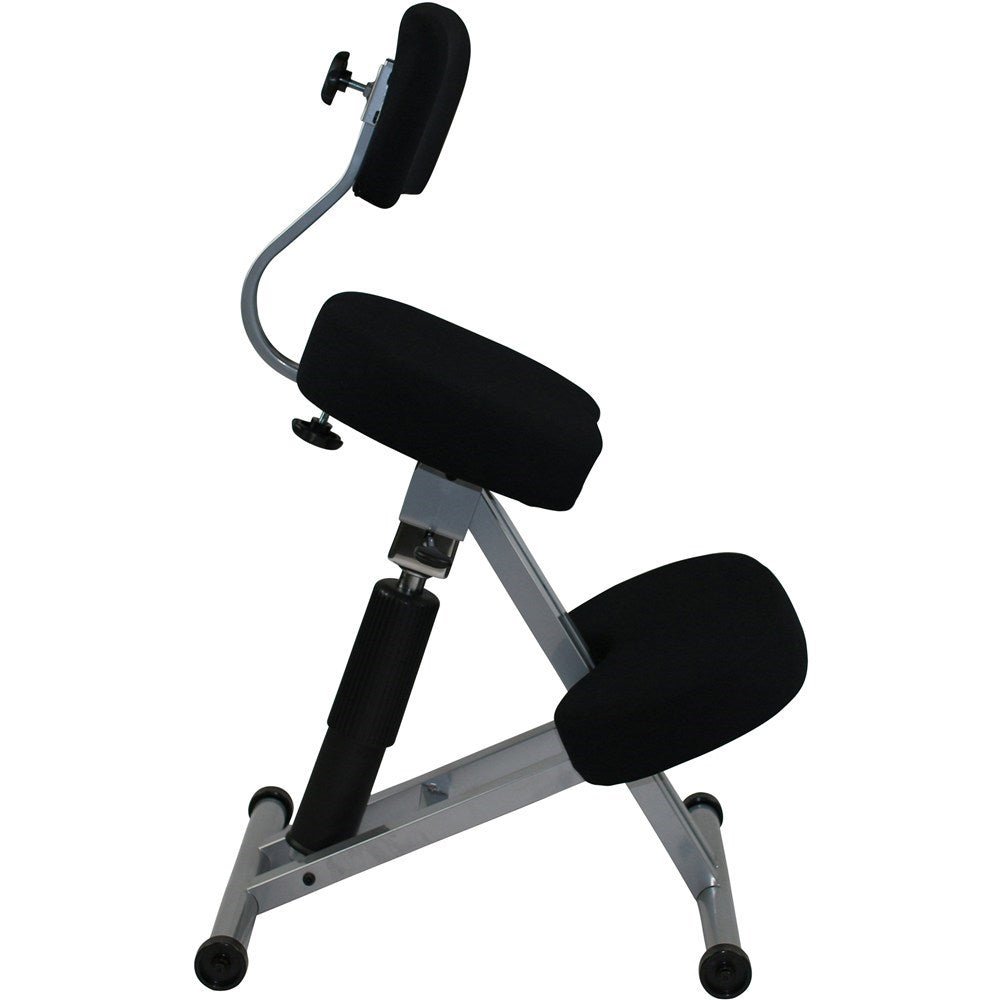


Kneeling chairs can help encourage a more upright sitting position by tilting the pelvis forward and reducing the tendency to slouch. This may help maintain a more natural spinal curve and promote active sitting. However, they are not a guaranteed solution for poor posture and work best when properly adjusted and used alongside regular movement and good workstation ergonomics.
Kneeling chairs should not place your full body weight on your knees. Most of your weight should remain on the seat, with the knee or shin pads providing light support. When correctly adjusted, many people find them comfortable, but prolonged use or an unsuitable fit can cause pressure or discomfort. People with existing knee, hip or circulation problems should consider professional advice before using one regularly.
Sit with your hips positioned comfortably on the main seat and allow your shins or knees to rest lightly against the support pads. Keep most of your weight through your seat rather than your knees, maintain a relaxed upright posture and position your desk so you do not need to reach or hunch forward. Adjust the chair until your hips feel slightly more open than they would in a conventional office chair.
There is no single ideal amount of time for everyone. New users are generally better off starting with shorter periods and gradually increasing use as their body adapts. Kneeling chairs are often most effective when alternated with a conventional ergonomic chair, standing and regular movement rather than being used in one position for an entire working day.
It can take several days or a few weeks to become accustomed to a kneeling chair because it uses your muscles and distributes pressure differently from a standard office chair. Begin with short sitting periods and increase them gradually. Mild muscle fatigue can occur initially, but persistent pain, numbness or discomfort is a sign that the chair may need adjusting or may not be suitable for you.