Filters
12 products
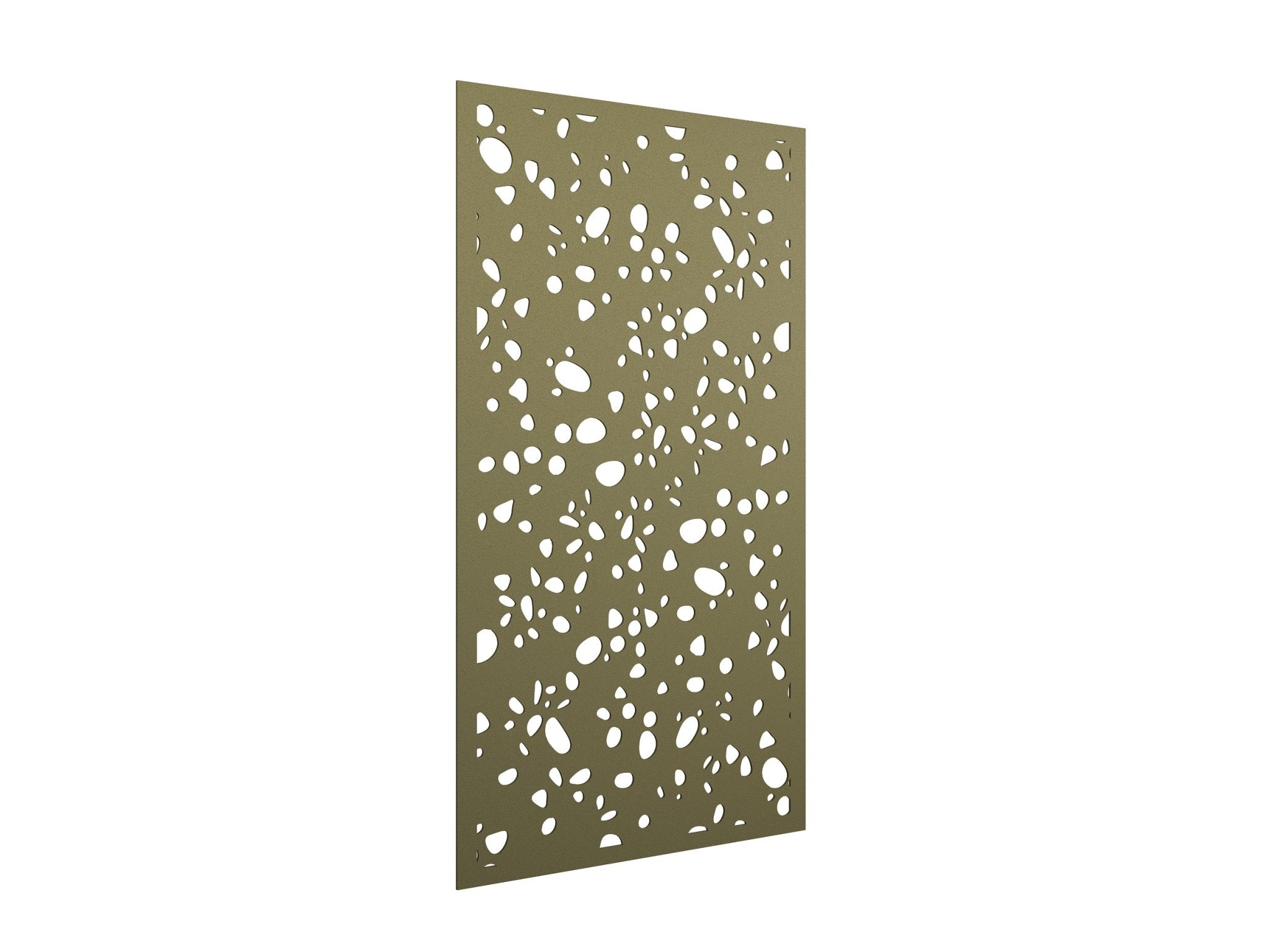
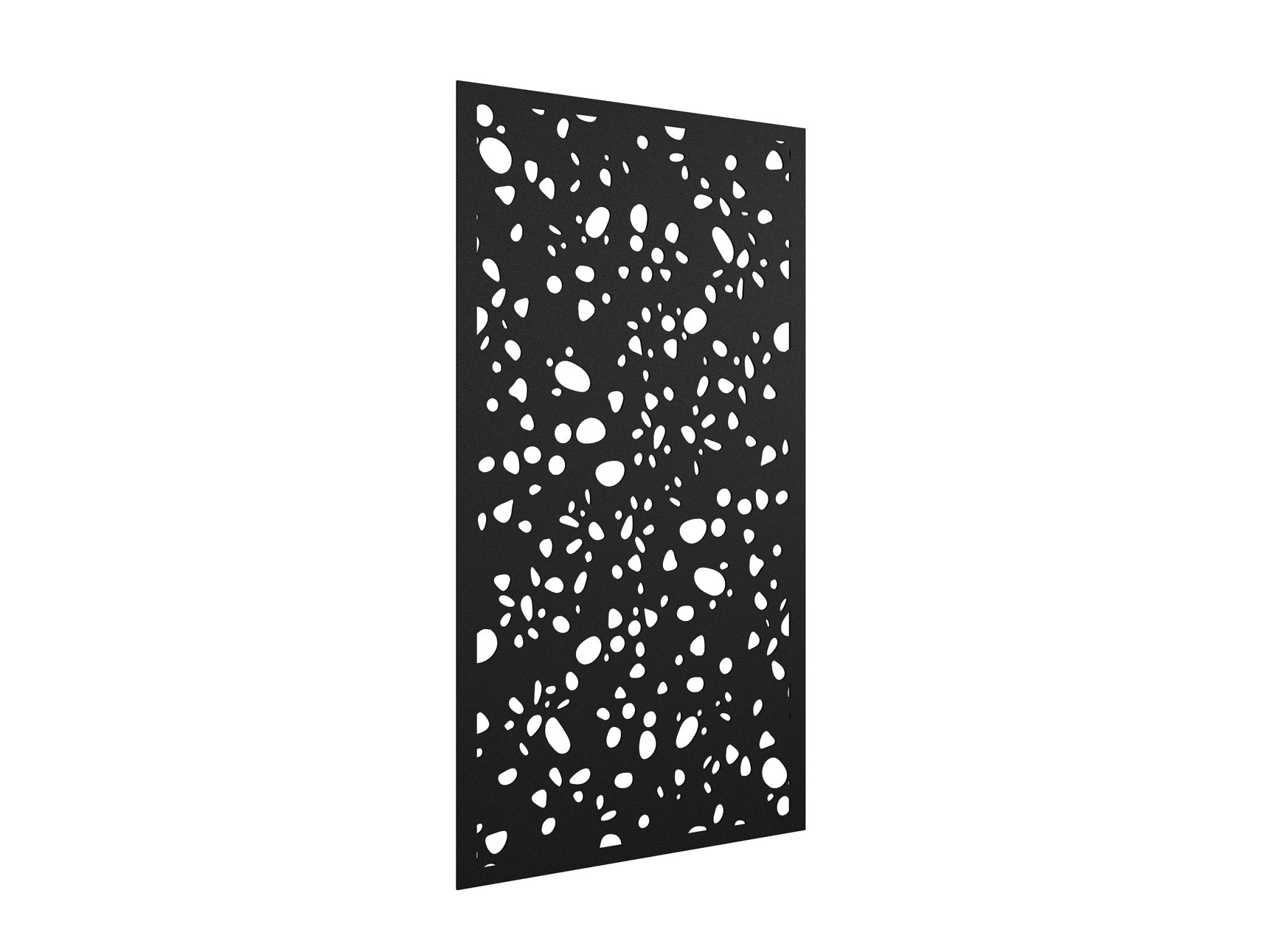


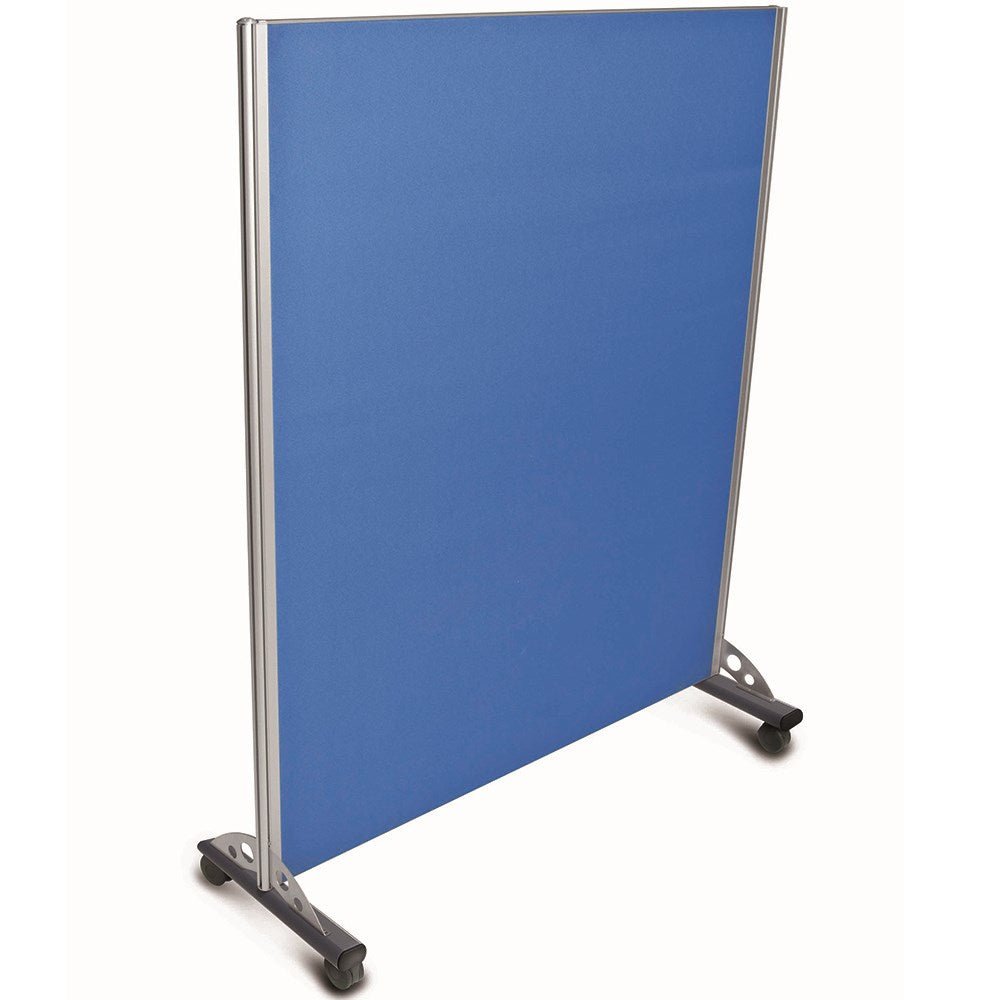
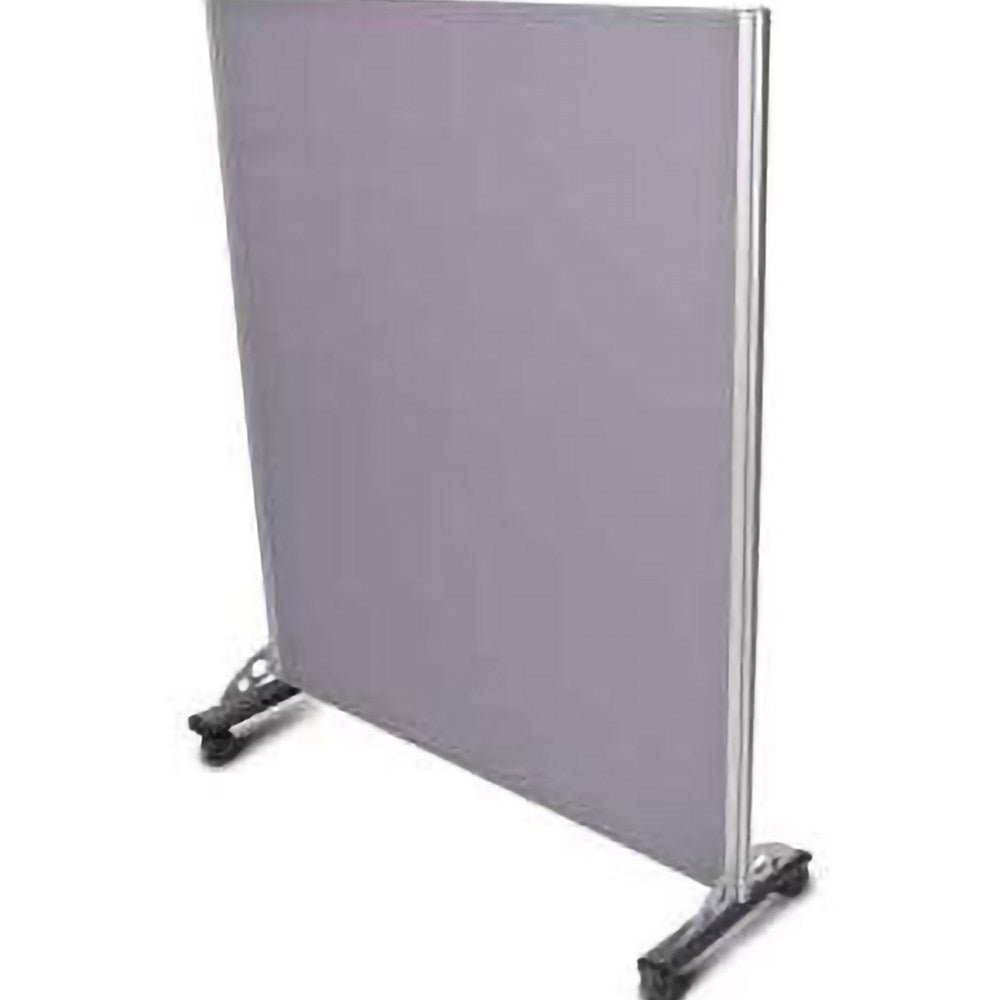


An acoustic screen is designed to absorb sound and reduce noise reflections, helping create a quieter and more comfortable workspace. A standard office partition may provide visual separation and privacy but does not necessarily contain sound-absorbing materials, so its acoustic performance can be much lower.
NRC, or Noise Reduction Coefficient, measures how effectively a material absorbs sound. It is generally expressed on a scale from 0 to 1, where a higher number indicates greater sound absorption. For example, an NRC of 0.80 means the material absorbs a high proportion of the sound energy that reaches it under test conditions.
For office environments, an NRC rating of around 0.70 or higher is generally considered strong acoustic performance. Higher-rated screens can be particularly useful in open-plan offices, meeting areas and collaborative spaces where reducing echo and speech noise is important.
Yes. Acoustic screens can help reduce reflected sound, minimise distractions and improve speech privacy between nearby workstations. They are most effective when properly sized and positioned, and they can be combined with wall panels, ceiling treatments and other acoustic products for greater overall noise control.
Yes, many freestanding acoustic screen systems are designed so that multiple panels can be linked together to create longer partitions, corners or flexible zones. Available configurations depend on the screen system, so compatible connectors, feet and joining hardware should be checked when planning the layout.