Filters
10 products


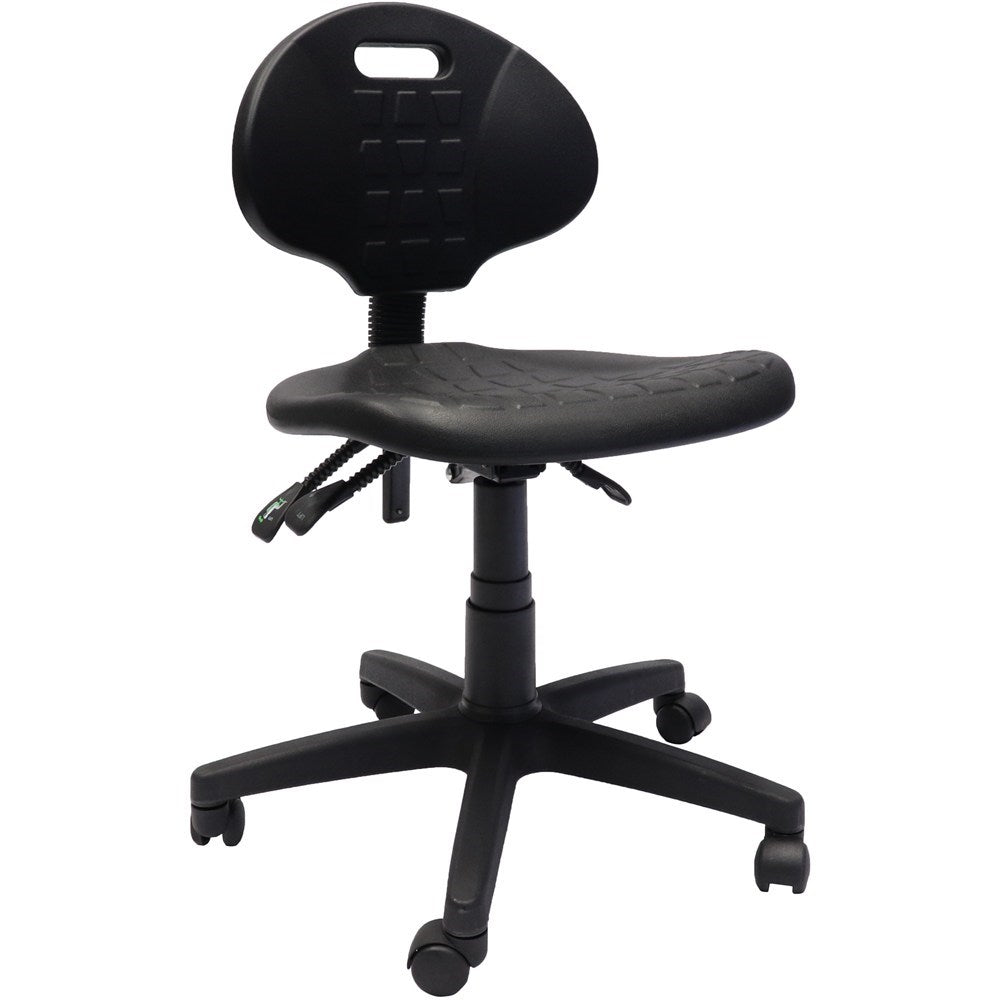
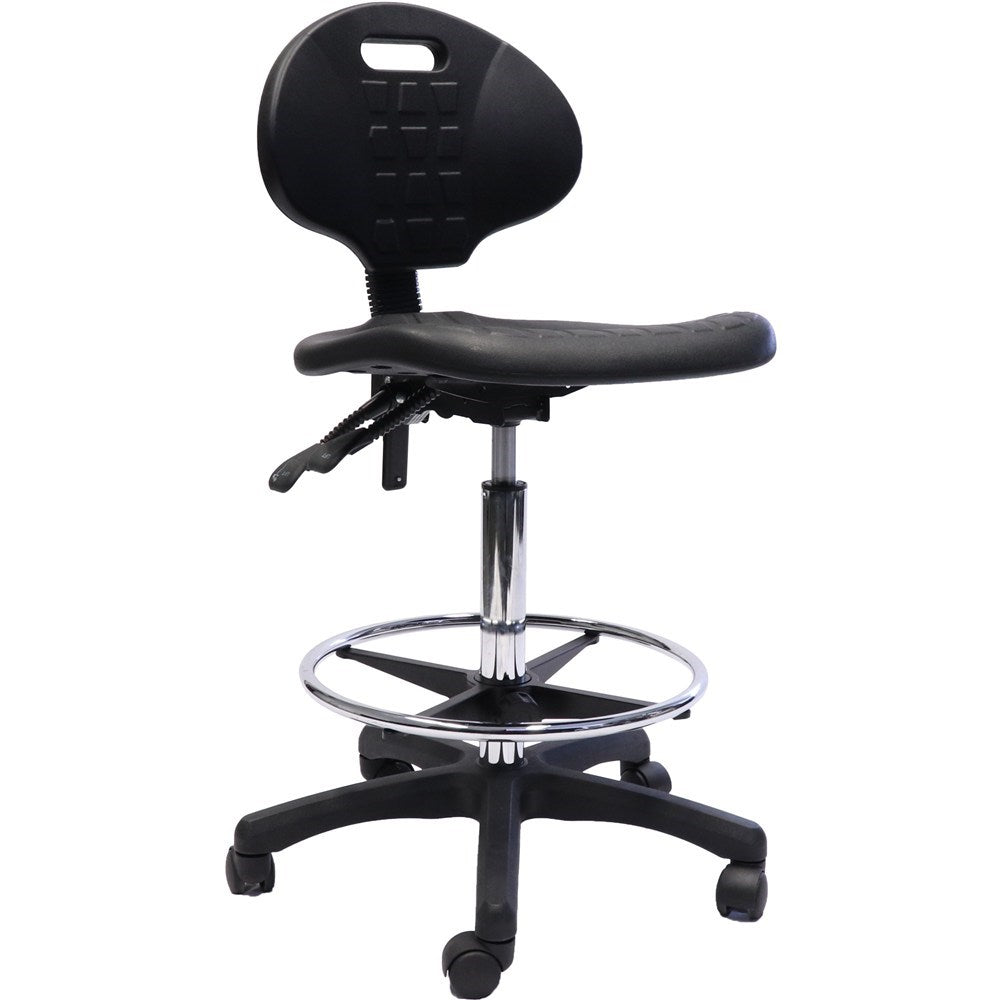
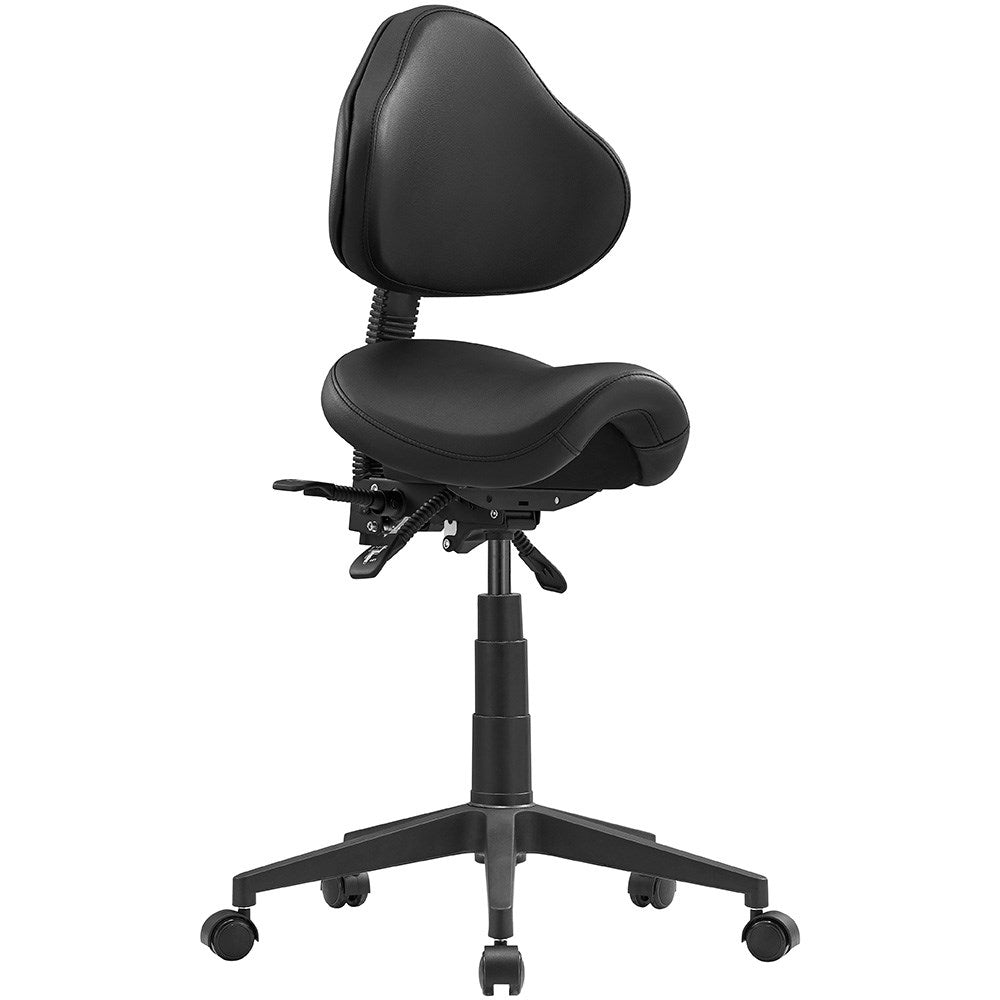
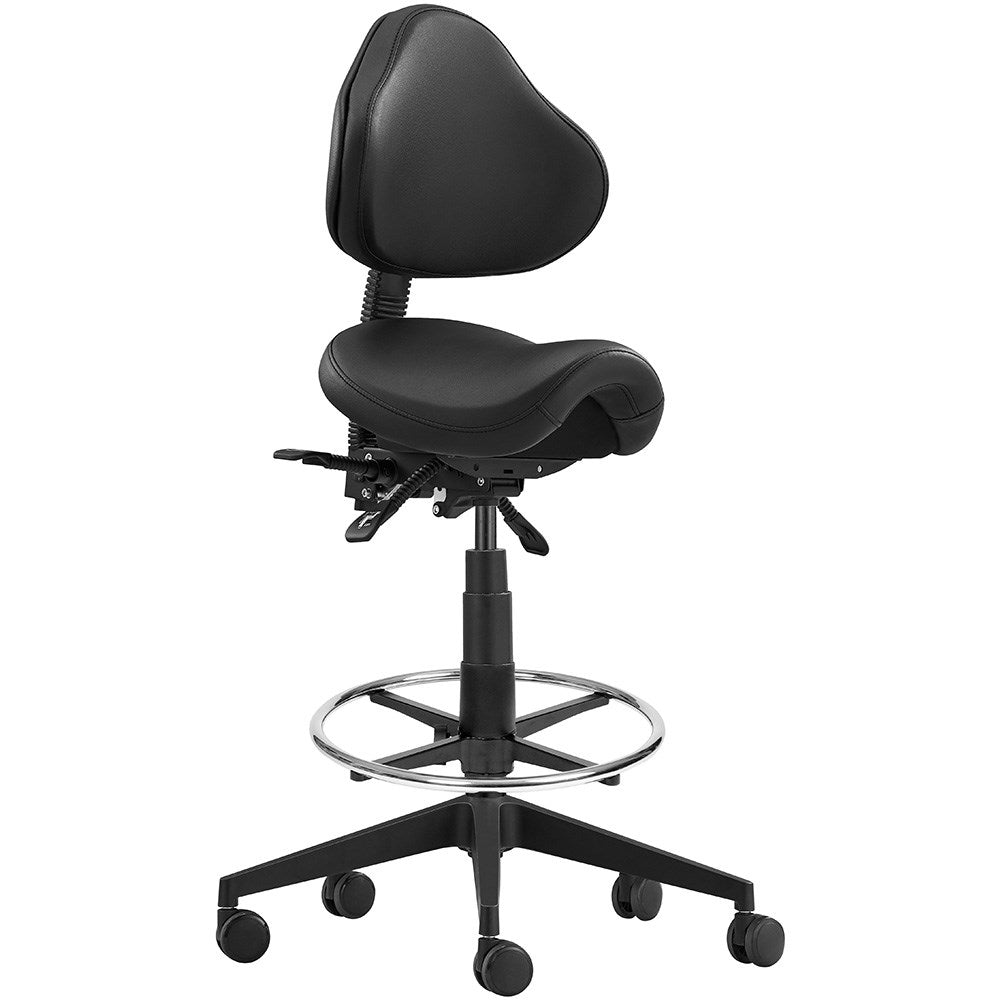


Choose a lab stool with a seat-height range that allows the user to sit comfortably with their elbows close to the height of the work surface. Higher laboratory benches generally require a drafting-height stool with a footring, while lower benches may suit a standard-height stool. Adjustable-height models are ideal for shared laboratories because they can accommodate different users and workstations.
A gas-lift lab stool is usually the better choice for shared workspaces because users can quickly adjust the seat height to suit their body and bench height. Fixed-height stools can be suitable for classrooms, training rooms or laboratories where benches are all the same height and simple, durable seating is preferred.
Ergonomic lab stools can be comfortable for extended periods when they provide appropriate seat support, height adjustment, a supportive backrest and a footring for elevated seating positions. For users who spend long periods seated, choosing a stool with adjustable ergonomic features is generally preferable to a basic fixed-height design.
The best material depends on the laboratory environment. Polyurethane is durable, easy to clean and well suited to demanding commercial or scientific settings. Vinyl provides a softer upholstered surface and can offer good wipe-clean performance, while polypropylene is lightweight, durable and economical. Laboratories exposed to frequent spills or chemicals should prioritise materials specifically rated for the substances used in the workspace.
Clean a laboratory stool using a soft cloth and a mild cleaning solution recommended for the seat material. For disinfection, use a compatible disinfectant and follow the manufacturer's recommended contact time and cleaning instructions. Avoid abrasive cleaners, harsh solvents or chemicals that may damage upholstery, plastics, polyurethane surfaces or adjustment components.