Filters
1 product
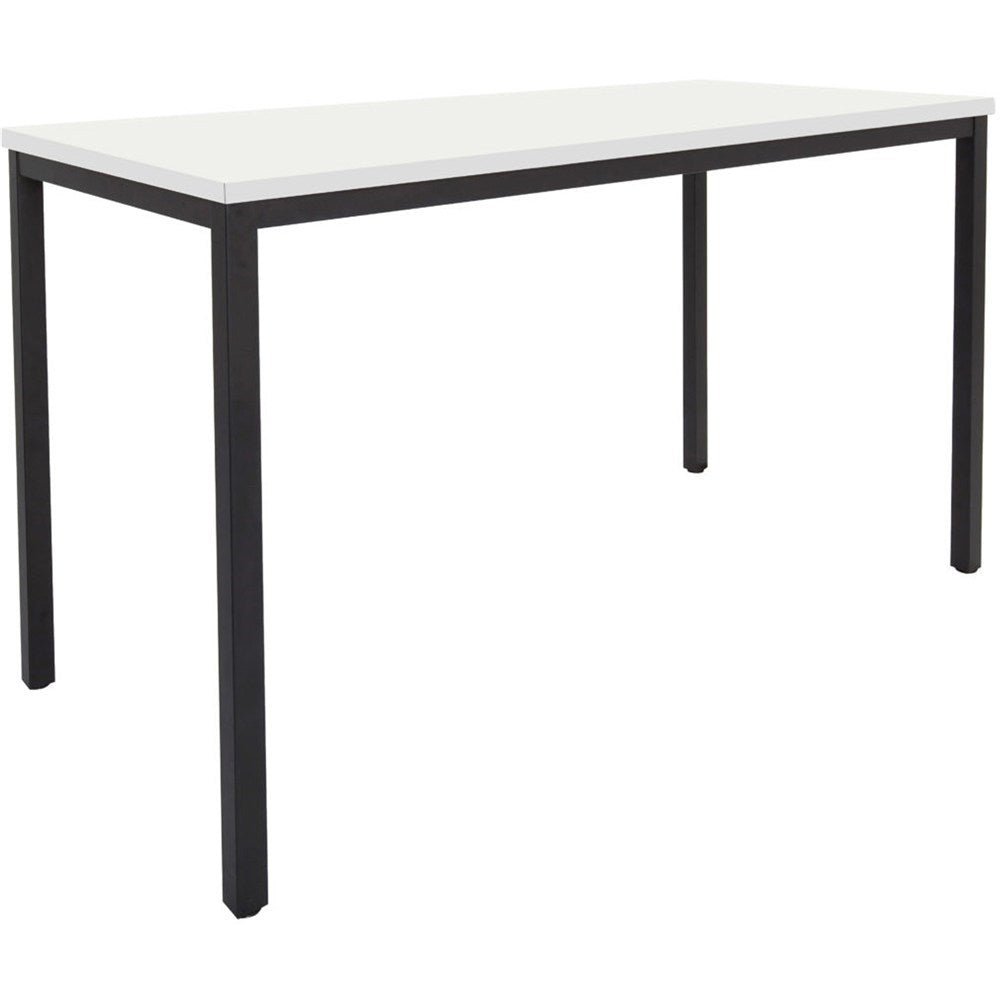

A drafting table is a specialised work surface designed for technical drawing, architectural plans, engineering, illustration and design work. Unlike a standard desk, many drafting tables feature an adjustable worktop that can be tilted to create a more comfortable viewing and drawing angle.
A1 paper measures 594 × 841 mm, so the drafting surface should be larger than this to provide room for positioning the sheet, drawing tools and paper restraints. A worktop around 900 × 600 mm or larger is commonly used for A1 plans, while a larger surface can provide additional working space.
There is no single correct angle, as the best position depends on the task and the user's posture. Many commercial drafting tables adjust from a flat 0° position up to approximately 45°, allowing users to select a comfortable angle for drawing, reading plans or detailed design work. A moderate incline can also help bring the work closer to the user's natural line of sight.
Often, yes, but compatibility depends on the tabletop thickness, edge design, available clearance and whether the surface tilts. Clamp-on drafting lamps are generally straightforward where there is a suitable exposed edge. Monitor arms require more consideration because most desk clamps are designed for a flat, horizontal surface; where the whole tabletop tilts, a wall-mounted or independently supported monitor arm may be more practical.
An adjustable drafting chair or drafting stool is generally the best choice, particularly for height-adjustable or elevated drafting tables. Look for adjustable seat height, good back support and, for higher working positions, a footring or footrest so the feet remain properly supported. The chair's adjustment range should suit both the table height and the user's preferred seated working position.