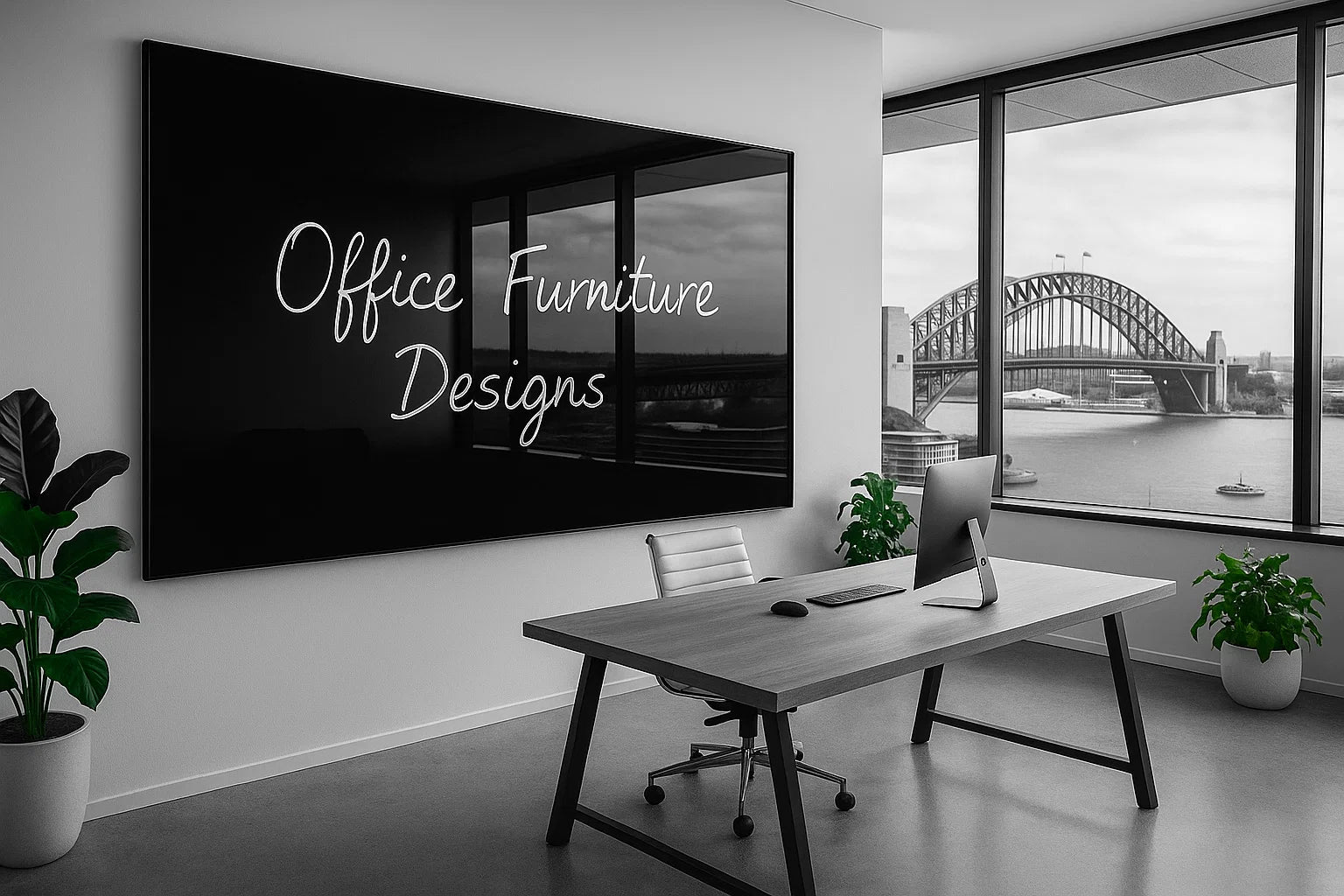
Ultimate whiteboard buying guide for Australian workplaces, schools and healthcare.
The Ultimate Whiteboard Buying Guide for Australian Workplaces
Whether you’re fitting out a new office, upgrading classrooms, or modernising meeting spaces, choosing the right whiteboard can make all the difference to collaboration and clarity. This whiteboard buying guide is designed for Australian workplaces that value quality, functionality, and long-term performance. You’ll learn how to compare different surfaces — from porcelain and glass to melamine — understand magnetic options, choose the right size for your room, and plan installation with confidence. With insights drawn from over 25 years of commercial supply experience, this guide helps decision-makers in business, education, and government select the ideal board for their environment.
Explore the complete range of whiteboards available for Australian offices, schools, and shared spaces.
Not sure which whiteboard suits your space? Use this quick guide to match your needs with the ideal board type. Whether you’re equipping a modern boardroom, classroom, or coworking hub, the right surface will save time, reduce maintenance, and keep collaboration flowing smoothly.
If you use your board every day → Choose Porcelain.
Built for heavy daily use, porcelain (also called ceramic steel) offers exceptional durability, minimal ghosting, and magnetic performance. Ideal for offices, schools, and training environments where the board is used several times a day.
If you want a premium look or need high hygiene → Choose Glass.
Glass boards feature a sleek, frameless appearance and non-porous surface that resists stains and bacteria. They’re perfect for executive offices, healthcare spaces, and design studios seeking a modern aesthetic. Shop our Glass boards
If you need flexibility or shared spaces → Choose Mobile Whiteboards.
Double-sided, pivoting, and mounted on castors, mobile boards move easily between rooms. Great for agile workplaces and classrooms with multi-use zones. Explore Mobile Options.
If you’re on a tight budget or need occasional use → Choose Melamine.
Lightweight and affordable, melamine boards are best for light-duty or temporary setups. Regular cleaning is essential to minimise ghosting.
If you need magnetic function → Choose Porcelain, Painted Steel, or Magnetic Glass.
These surfaces let you attach documents, magnets, and accessories without damaging the surface.
If you also need a quiet display area → Combine with Acoustic Pinboards.
NRC-rated notice boards reduce echo and keep workspaces visually organised. Buy Notice & Pinboards.
Not all whiteboards are created equal. The surface material determines how your board performs over time — from ghosting resistance to hygiene and warranty coverage. Below is an in-depth comparison of the four main types used in Australian offices, classrooms, and healthcare environments.
Porcelain (Ceramic Steel) Whiteboards — Built for Heavy-Duty Use
orcelain, also known as ceramic steel, is the gold standard for professional whiteboards. The surface is made from vitreous enamel fired onto steel at over 800°C, producing a non-porous, scratch-resistant, and magnetic finish that can last decades.
Key Benefits:
Porcelain whiteboards are a long-term investment — the higher initial cost is easily offset by the reduced need for replacements and maintenance.
Painted or Lacquered Steel Whiteboards — Practical Mid-Range Option
Painted steel (sometimes called lacquered steel) whiteboards feature a steel base coated with a durable white enamel paint. These boards are also magnetic but less resistant to staining compared to porcelain.
Key Benefits:
Painted steel boards bridge the gap between affordability and function — perfect if you need magnetism but not the lifetime endurance of porcelain.
Melamine (Laminate) Whiteboards — Budget-Friendly for Light Use
Melamine boards are made from a resin-infused laminate applied to a particleboard or MDF backing. They are lightweight, affordable, and easy to mount, making them suitable for temporary offices or low-traffic environments.
Key Benefits:
While melamine is cost-effective, it’s prone to ghosting and wear over time. Frequent cleaning helps extend its lifespan to around 3–5 years under regular use.
Glass (Low-Iron Safety Glass) Whiteboards — Premium, Modern & Hygienic
Glass whiteboards offer a modern alternative that blends design and durability. Made from toughened low-iron glass, they resist staining, scratching, and ghosting completely. The non-porous surface is also easy to sanitise, making glass ideal for healthcare, education, and high-traffic corporate spaces.
Key Benefits:
Glass boards are the most design-forward option, often used in executive meeting rooms and reception areas where image matters as much as performance. Explore Glass Board Range
| Surface Type | Magnetic | Durability | Ghosting Resistance | Hygiene | Typical Warranty | Best For |
|---|---|---|---|---|---|---|
| Porcelain (Ceramic Steel) | Yes | 20–25 years | Excellent | Very High | 20–25 yrs | Heavy daily use, schools, offices |
| Painted / Lacquered Steel | Yes | 8–12 years | Good | Moderate | 8–10 yrs | Training rooms, moderate use |
| Melamine (Laminate) | No | 3–5 years | Fair | Basic | 2–5 yrs | Light use, temporary spaces |
| Glass (Low-Iron) | Optional | 25+ years | Outstanding | Highest | 25 yrs | Boardrooms, healthcare, premium fitouts |
Formats & Frames — Wall-Mounted, Mobile & More
How you mount and position your whiteboard is just as important as the surface itself. The right format ensures comfort, visibility, and flexibility — whether you’re equipping a single office or fitting out a full learning environment.
Wall-Mounted Whiteboards
The most common configuration, wall-mounted boards provide a fixed, professional presentation surface that maximises wall space. Ideal for meeting rooms, classrooms, and boardrooms, they ensure stable writing conditions and optimal visibility. Mounting height matters: for ergonomic comfort, align the centre of the board between 1,200 mm and 1,400 mm from the floor to suit most standing and seated users.
Mobile Whiteboards
Perfect for agile workplaces, mobile boards feature double-sided panels on lockable castors, allowing quick repositioning between zones or teams. Many models rotate 360° and include marker trays or pivot hinges for multi-purpose use. They’re popular in schools, coworking spaces, and training rooms where collaboration moves from one area to another.
Pivoting & Reversible Frames
Some freestanding models use a pivot or flip mechanism, giving users two writing surfaces in one footprint. These are excellent for fast-paced workshops, project planning, or shared spaces where content needs to be displayed and refreshed quickly.
Track & Sliding Systems
Some freestanding models use a pivot or flip mechanism, giving users two writing surfaces in one footprint. These are excellent for fast-paced workshops, project planning, or shared spaces where content needs to be displayed and refreshed quickly.
Integrated Pinboards & Combo Frames
For teams that need both writing and display functions, combination frames integrate whiteboard and acoustic pinboard panels into one system. This saves space while improving sound absorption in open-plan areas.
Each format serves a unique purpose — choose based on how often you move, present, or collaborate. Smart framing supports better ergonomics, acoustics, and team engagement across Australian workplaces.
📐 Choosing the Right Size and Aspect Ratio
Selecting the right whiteboard size is about more than wall coverage — it directly affects visibility, comfort, and how effectively your team collaborates. A board that’s too small limits creativity, while one that’s oversized can overpower the room or waste space. Use these guidelines to find the right fit for your environment.
Room Size and Seating Distance
For optimal legibility, aim for 1 mm of line thickness for every metre of viewing distance. In small meeting rooms (up to six people), a board width of 1,200–1,500 mm is ideal. For larger rooms or training areas with 10–16 people, scale up to 1,800–2,400 mm or multi-panel configurations. In classrooms or boardrooms, 2,400 mm+ ensures every participant can see comfortably, even from the back row.
Aspect Ratio
Modern whiteboards follow 16:9 or 3:2 aspect ratios — mirroring presentation screens and digital content. This makes them ideal for hybrid workplaces where physical and digital collaboration overlap. Traditional 4:3 boards remain common in classrooms and compact offices, offering a taller writing surface for vertical content like lists or diagrams.
Height Placement and Ergonomics
The centre of the writing area should typically sit 1,200–1,400 mm from the floor. For seated environments (such as classrooms or conference tables), position the board slightly lower at around 1,000 mm. Ensure there’s at least 150 mm of clearance above skirting boards or below ceiling fixtures for comfortable access.
Mobile and Modular Options
For multi-use rooms or changing layouts, mobile boards or modular wall systems allow quick reconfiguration. Combine a large wall-mounted board with smaller mobile panels for breakout sessions or workshops. Explore Mobile Options.
Right-sizing your whiteboard enhances both collaboration and posture — a simple adjustment that improves usability and engagement across all workplace types.
A high-quality whiteboard isn’t just about the surface — it’s also about how securely and safely it’s installed. Whether it’s a glass board in a corporate meeting room or a porcelain model in a busy classroom, correct mounting ensures durability, visibility, and user safety.
When installed to Australian safety standards, your whiteboards deliver not only performance but long-term peace of mind.
Office Furniture Designs’ national installation network has delivered projects for major Australian organisations — including the Woolworths Distribution Centre in Lyndhurst, Victoria. The 24-hour operational facility required durable, low-maintenance communication boards to support round-the-clock logistics. This project demonstrates how professional installation and product selection can ensure reliability under continuous use.
For site-ready installation and project coordination across Australia, contact our team on:
Professional Installation
Wall-mounted whiteboards should always be fixed to structural framing, not plasterboard alone. This prevents warping, vibration, or collapse under daily use. For heavy glass and porcelain boards, use secure anchor points and reinforced mounting rails. Installation height should typically place the board’s centre at eye level (around 1,200–1,400 mm from the floor). Avoid positioning near light switches or air-conditioning vents to maintain clear sightlines and usability.
Glass Safety Compliance (AS/NZS 2208)
All glass whiteboards used in workplaces, schools, or medical facilities must comply with AS/NZS 2208:1996 – Safety glazing materials in buildings. This standard mandates that toughened or laminated safety glass be used for all wall-mounted applications. Certified glass boards are heat-treated to resist impact, and if broken, they crumble into small granules rather than sharp shards — dramatically improving on-site safety.
Mobile Board Safety
Mobile whiteboards with pivoting or castor bases must feature locking wheels and stable frames. Always lock castors before use and ensure adequate clearance to prevent tipping hazards, particularly in education and healthcare environments.
Whiteboards remain one of the most adaptable tools across Australia’s workplaces, education facilities, and healthcare environments. Each sector has unique performance needs — from durability and hygiene to visual clarity and compliance. Choosing the right solution ensures your investment supports productivity and safety for years to come.
Corporate & Government Offices
In modern offices, whiteboards have evolved into strategic collaboration tools. Teams use them for planning sessions, brainstorming, and hybrid meetings alongside digital displays. Porcelain or glass boards are preferred for executive and project spaces where professional presentation and long-term durability matter. Many corporate fitouts combine fixed wall-mounted boards with mobile units for flexibility.
Education: Schools, TAFEs & Universities
In education, the whiteboard is still the centrepiece of teaching. Porcelain and magnetic boards are ideal for classrooms due to their clarity and resilience, while mobile whiteboards support small-group learning and exam preparation. Student handheld boards are perfect for interactive engagement, encouraging quick participation and feedback.
Explore classroom-ready whiteboard options or Shop Whiteboards Tables
Healthcare, Laboratories & Research Facilities
Glass whiteboards are the gold standard for hygiene and chemical resistance in clinical and laboratory settings. Their non-porous surface resists bacteria and cleans easily with disinfectant wipes. Safety glazing compliance (AS/NZS 2208) ensures secure installation in sensitive environments like wards or testing rooms.
Shop compliant Glassboard options
Industrial, Logistics & Warehousing
In industrial environments, durable porcelain boards and custom-printed planners are used for scheduling, safety tracking, and shift communication. Magnetic surfaces support visual management methods like Lean 5S and maintenance workflows. Office Furniture Designs’ fitouts — including the Woolworths Distribution Centre in Lyndhurst — showcase the reliability of commercial-grade boards operating 24/7.
Across every sector, the key is alignment between surface technology, use intensity, and environmental conditions. By tailoring board materials and mounting types to your sector’s needs, you’ll achieve a system that’s durable, compliant, and ready for continuous collaboration.

Sustainability in workplace design goes beyond aesthetics — it’s about investing in products that last, minimise waste, and support responsible manufacturing. Whiteboards are no exception. The best options are those built to endure years of use while being recyclable at end-of-life.
Long-Life Design
Porcelain and glass whiteboards are naturally sustainable choices. Their surfaces last decades without degrading, reducing the need for frequent replacements. A single long-life board can outlast five or more melamine equivalents, lowering overall material and transport consumption over its lifecycle.
Recyclable Materials
Porcelain-on-steel boards are fully recyclable — the enamel and metal layers can be separated and reused. Similarly, glass whiteboards are made from low-iron safety glass, which can be reprocessed into new products. Aluminium frames and steel components are also recyclable, further reducing landfill impact.
Low VOC and Non-Toxic Finishes
Quality boards manufactured for the Australian market typically use low-VOC paints, adhesives, and coatings, reducing emissions and improving indoor air quality. This is especially valuable in schools, hospitals, and enclosed offices where air purity supports wellbeing and focus.
Reduced Cleaning Waste
Non-porous surfaces mean less reliance on chemical cleaners and disposable wipes. A simple microfibre cloth and alcohol-free spray are enough to maintain cleanliness and clarity, even in high-traffic environments.
By choosing long-life, recyclable whiteboards over low-cost disposable options, Australian workplaces can significantly reduce environmental impact — aligning functionality with corporate sustainability goals. Every Office Furniture Designs installation is backed by a commitment to durability, compliance, and environmentally responsible sourcing.
When budgeting for new whiteboards, it’s important to look beyond the purchase price. The true value of a board lies in its total cost of ownership — how long it lasts, how often it needs cleaning or replacement, and how it supports productivity over time.
Purchase Price vs. Lifecycle Cost
Entry-level melamine whiteboards may cost under $100, but typically need replacing every three to five years due to ghosting and surface wear. Porcelain and glass whiteboards cost more upfront — usually between $400 and $900 depending on size and configuration — but can last more than 20 years with minimal maintenance. Over the lifetime of an office fit-out, a single porcelain board can cost less than $25 per year.
Installation & Fit-Out Integration
Factoring installation into the initial budget ensures correct mounting and compliance from day one. Professional installation avoids wall damage, prevents uneven alignment, and extends product life.
Learn more about our design & installation service.
Maintenance & Cleaning
Quality boards require less chemical cleaning and fewer replacement accessories, reducing ongoing costs. Choosing the right markers and erasers not only improves performance but also prevents surface degradation. Routine maintenance — such as weekly cleaning and quarterly inspection — helps maintain warranty coverage and visual clarity.
Warranties & Support
Premium boards include 20–25-year surface warranties, protecting your investment long after purchase. Combined with Australia-wide support and spare parts availability, this delivers long-term financial certainty for schools, businesses, and government agencies.
The most cost-effective whiteboard isn’t the cheapest upfront — it’s the one that performs flawlessly for decades. By calculating total ownership costs, you’ll make a smarter, more sustainable investment that supports your workspace for the long haul.
Porcelain (ceramic steel) and glass whiteboards are the best for heavy daily use. They resist ghosting, last decades, and offer smooth, magnetic or non-magnetic finishes suitable for professional environments.
Yes — some glass whiteboards include a steel backing that allows magnets to attach. Magnetic glass boards combine premium aesthetics with the same functionality as standard magnetic surfaces.
Use a microfibre cloth for daily wiping and a non-abrasive whiteboard cleaner weekly. Avoid harsh chemicals and permanent markers. For glass boards, use alcohol-free glass cleaner and a lint-free cloth. Shop our Whiteboard & Glass Board Accessories
Yes. Office Furniture Designs provides custom-printed whiteboards and glass boards with logos, grids, or scheduling layouts tailored to your workspace. Explore Custom Options
Yes. Our professional installation network provides Australia-wide delivery, wall mounting, and multi-room rollout support. Delve Deeper into Design & Fitout Solutions
Porcelain and glass whiteboards can last over 25 years. Painted steel and melamine versions usually last 5–10 years depending on maintenance.
Porcelain and magnetic whiteboards are ideal for schools and TAFEs — they’re easy to write on, wipe clean, and handle frequent daily use. Mobile boards also work well for group sessions and flexible layouts.
Most premium models come with 20–25-year surface warranties, ensuring confidence and long-term performance across all sectors.
Choosing the right whiteboard is more than a design decision — it’s a long-term investment in communication, clarity, and workplace performance. Whether your goal is to enhance collaboration, improve classroom engagement, or maintain hygienic information boards in medical facilities, understanding surface materials, mounting options, and maintenance practices ensures lasting results.
With over 25 years of national supply and installation experience, Office Furniture Designs has equipped workplaces, schools, and healthcare environments across Australia with durable, compliant, and future-ready visual communication solutions. Every board is supported by expert advice, ergonomic layout planning, and full installation coordination — from single offices to multi-site rollouts.
From porcelain and glass to magnetic or mobile formats, each product is designed for real-world Australian conditions — combining long warranties, professional safety compliance, and sustainable manufacturing. When specified correctly, a whiteboard becomes more than a surface: it’s a strategic collaboration tool that supports productivity every day.
Ready to transform your workspace?
Office Furniture Designs — delivering intelligent, durable, and compliant visual communication systems built for Australia’s most dynamic workplaces.
Perfect Pairings
From collaborative meeting zones to quiet planning rooms, these collections pair perfectly with our whiteboard range — creating complete, functional environments for Australian workplaces.
Reduce echo and visual distraction with acoustic panels or mobile partitions that complement your visual communication setup. Create flexible, focused meeting environments that support both privacy and performance.
Acoustic & Partitions
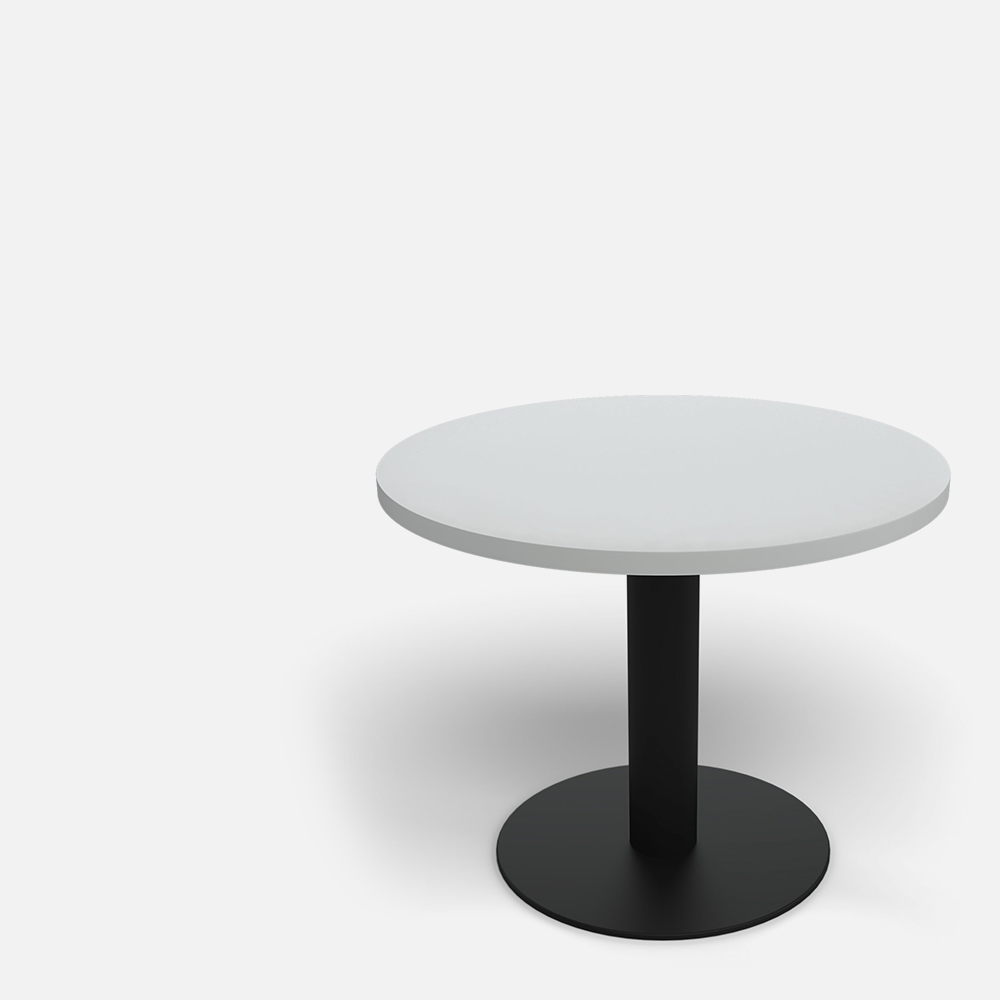
Anchor your brainstorming zone with meeting tables designed for every scale — from compact huddle setups to executive boardrooms. Seamlessly pair with mobile or wall-mounted whiteboards for dynamic team sessions.
Meeting Tables

Complete your workspace with ergonomic seating that keeps collaboration comfortable. Match durable, supportive meeting chairs with writable walls or glass boards for long sessions that stay productive.
Meeting Chairs