Filters
74 products
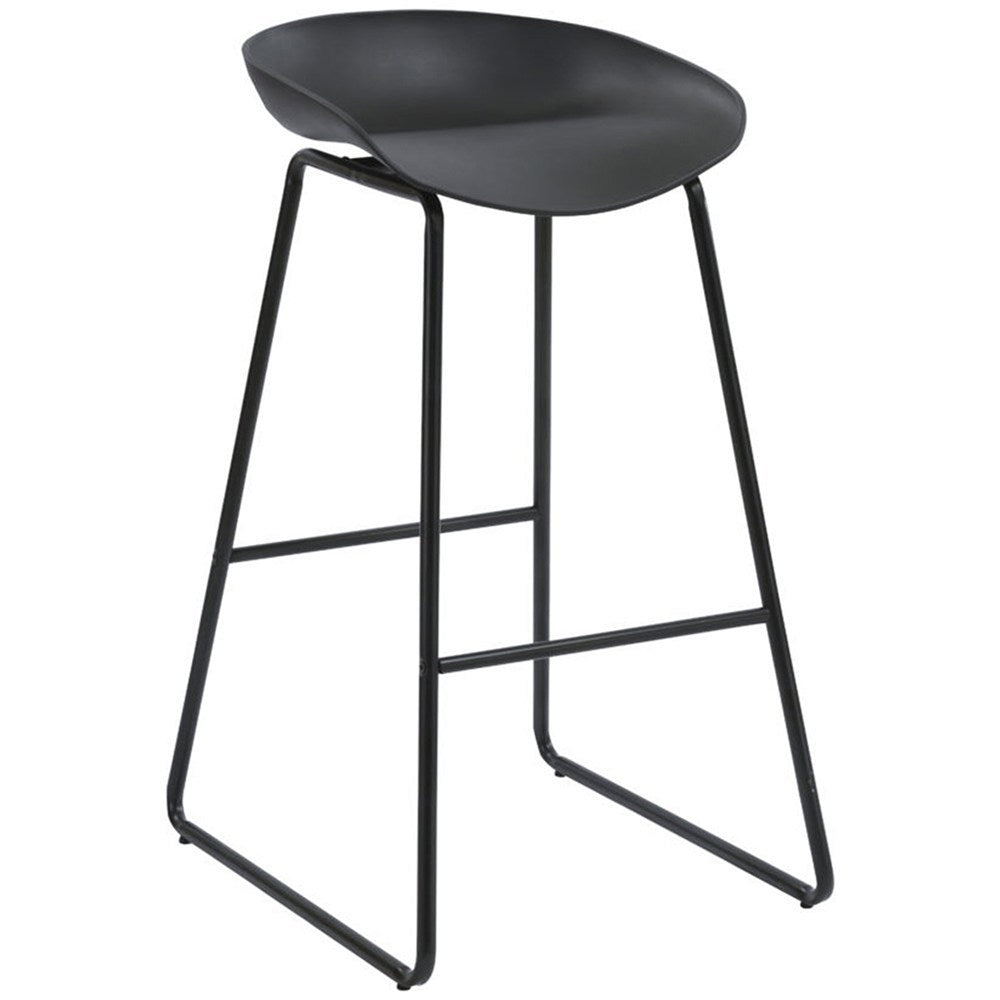
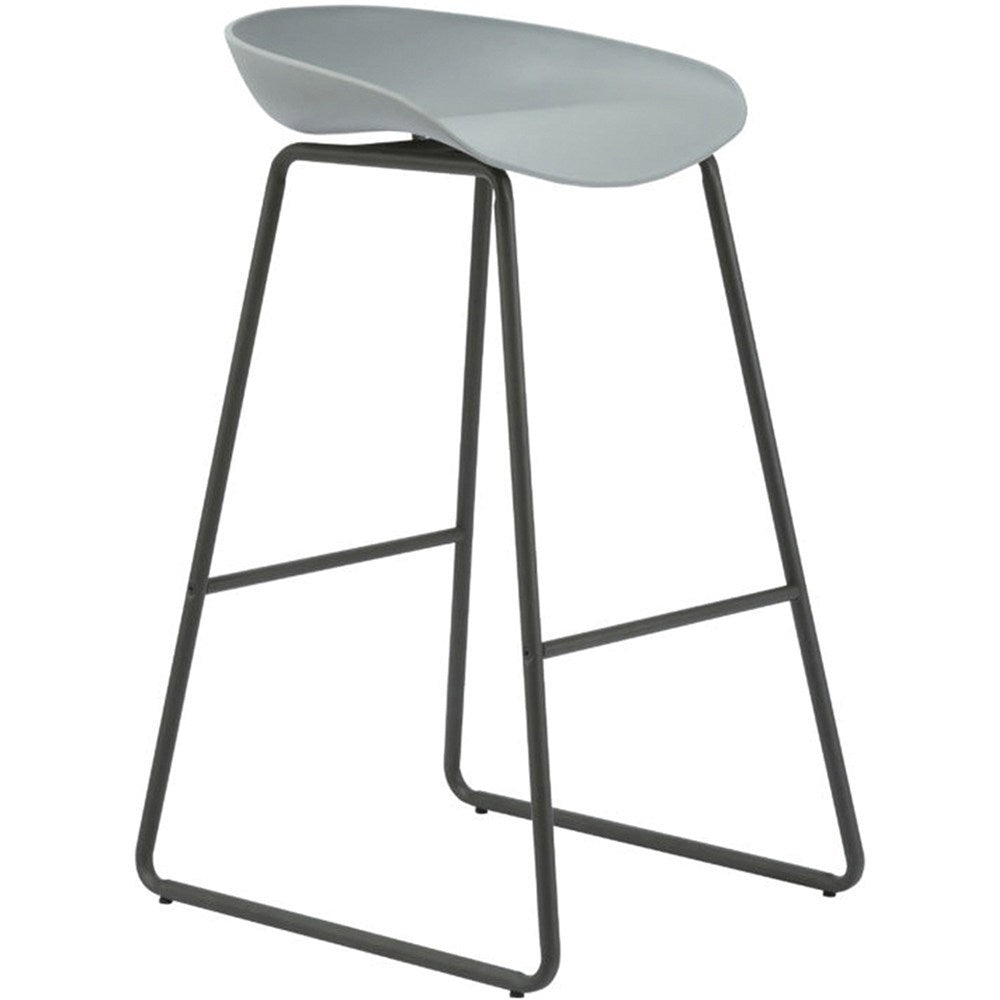


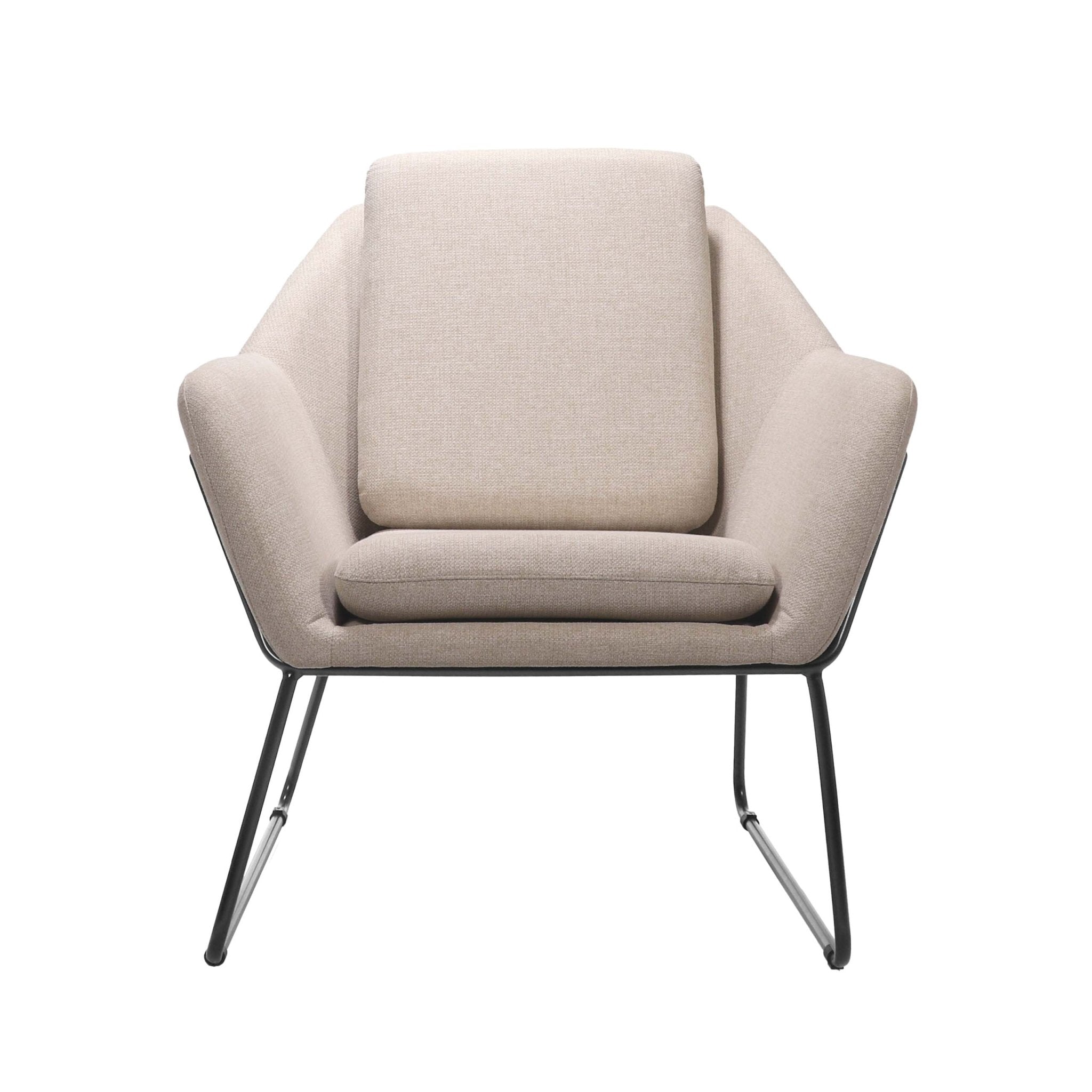
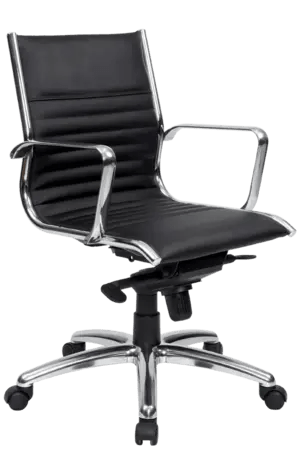
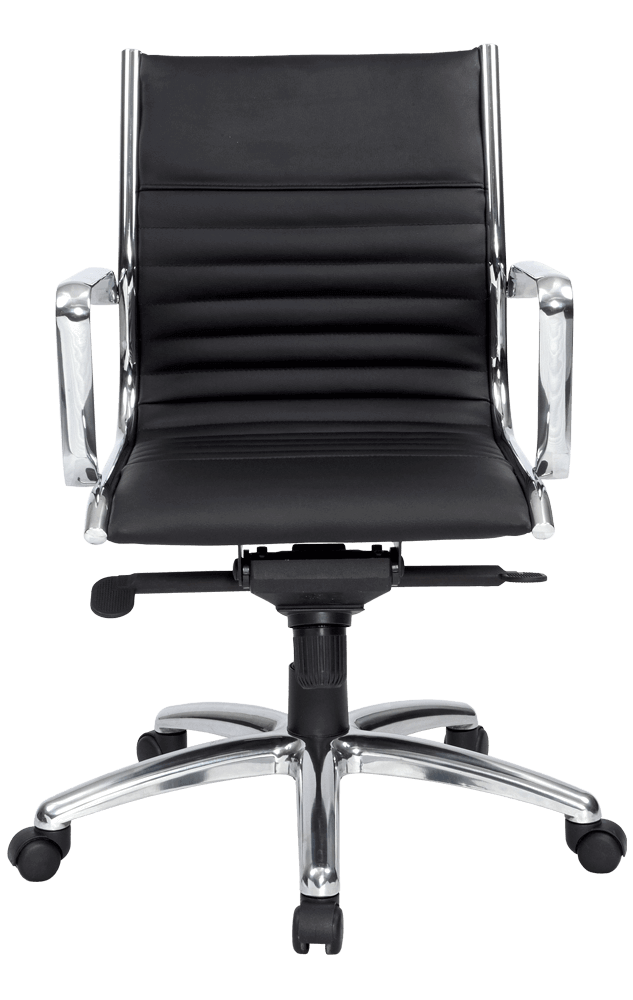

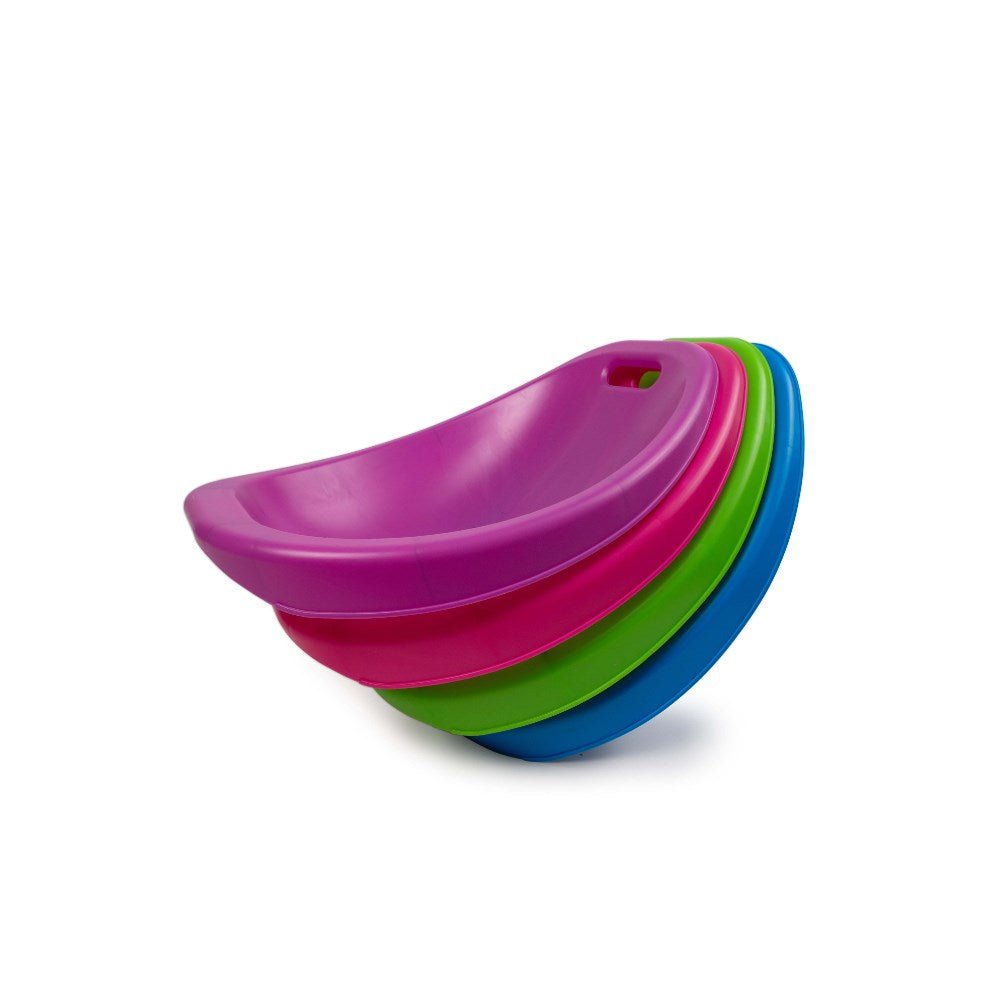
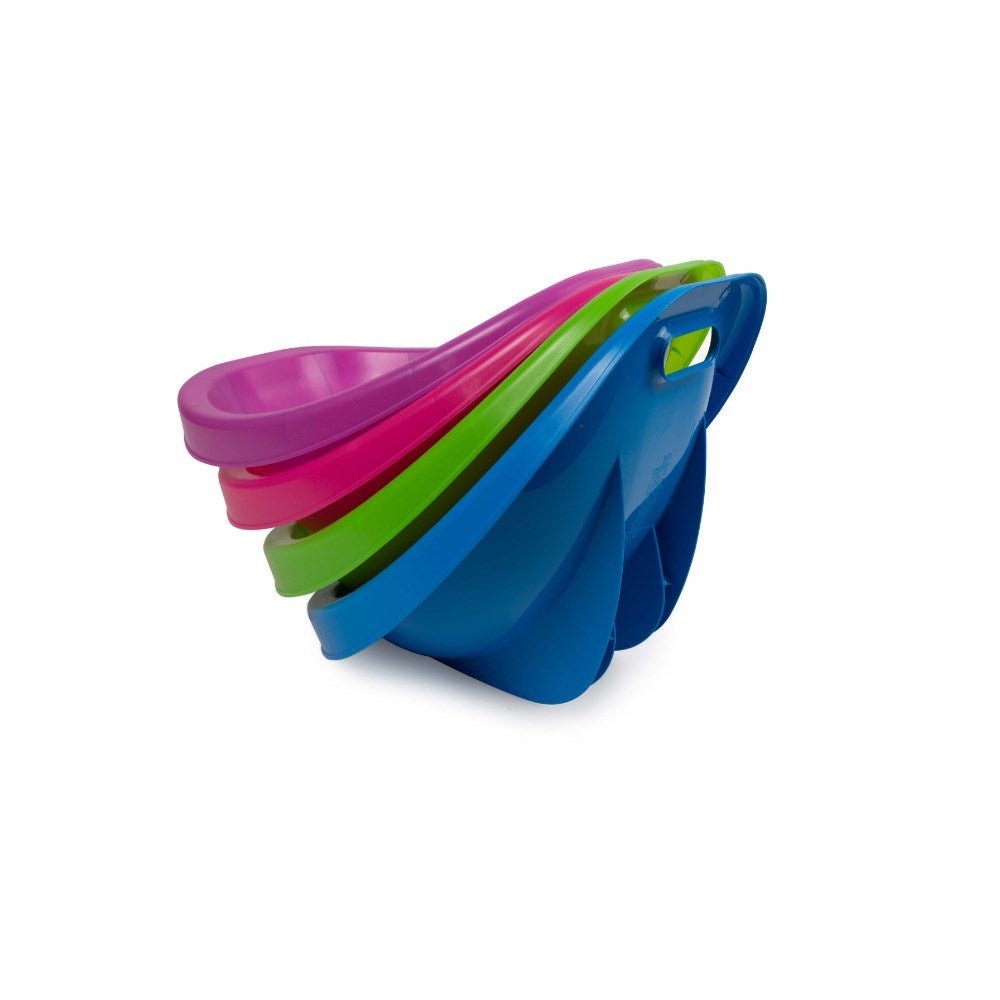


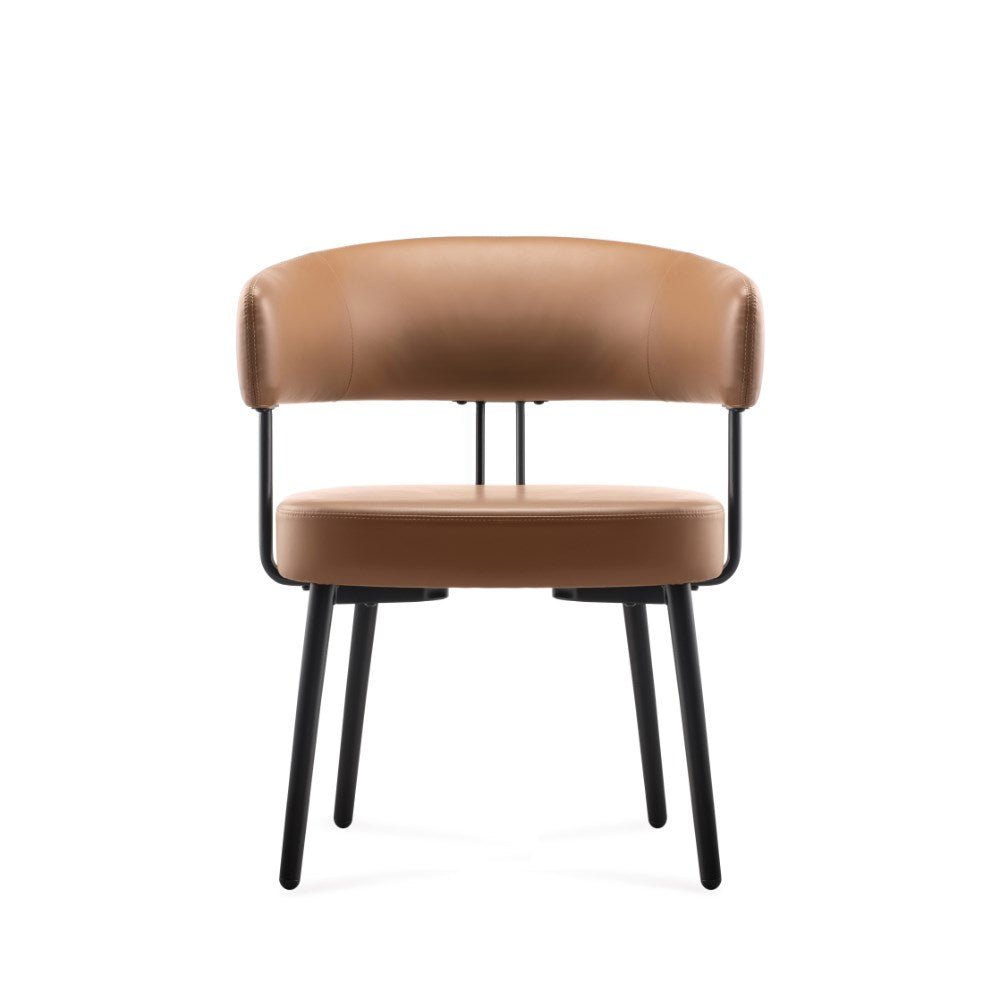
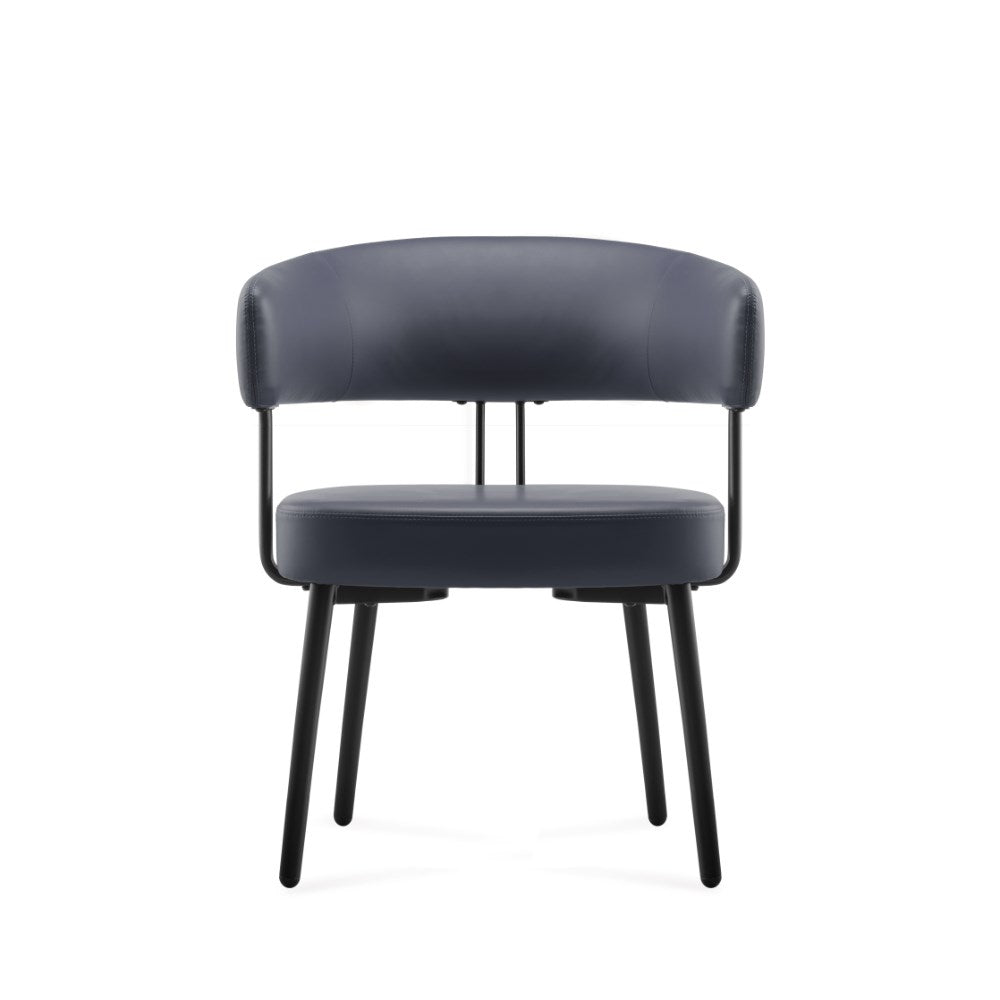


Specialised education seating is designed to support students who may need more than a standard classroom chair. Depending on the product, it can provide improved posture, movement, sensory input, stability or accessibility, helping students sit more comfortably and participate more effectively in learning activities.
Specialised seating can benefit students with a wide range of physical, sensory, developmental or attention-related needs. This may include students who require additional postural support, need controlled movement while seated, experience sensory regulation challenges or have difficulty remaining comfortable and engaged in conventional classroom seating.
For some students, flexible or sensory seating can help improve comfort, self-regulation and engagement by allowing appropriate movement or providing a seating option better suited to their individual needs. Results vary between students, so schools should consider observation, student feedback and advice from relevant professionals when determining whether a seating option is effective.
Adaptive and postural seating should be reviewed regularly, particularly as a student grows or if their physical needs, comfort or mobility change. Schools should also reassess the seating if staff notice changes in posture, pressure points, discomfort or difficulty using the chair. Where seating has been professionally prescribed, reviews should follow the recommendations of the student’s occupational therapist, physiotherapist or other relevant clinician.
Students who benefit from movement may respond well to options such as wobble stools, rocking chairs, balance seats, active stools or sensory cushions. The most appropriate choice depends on how much movement the student needs, their balance and motor skills, the classroom activity and whether the seating helps them remain comfortable, safe and engaged without becoming distracting.