Filters
2 products
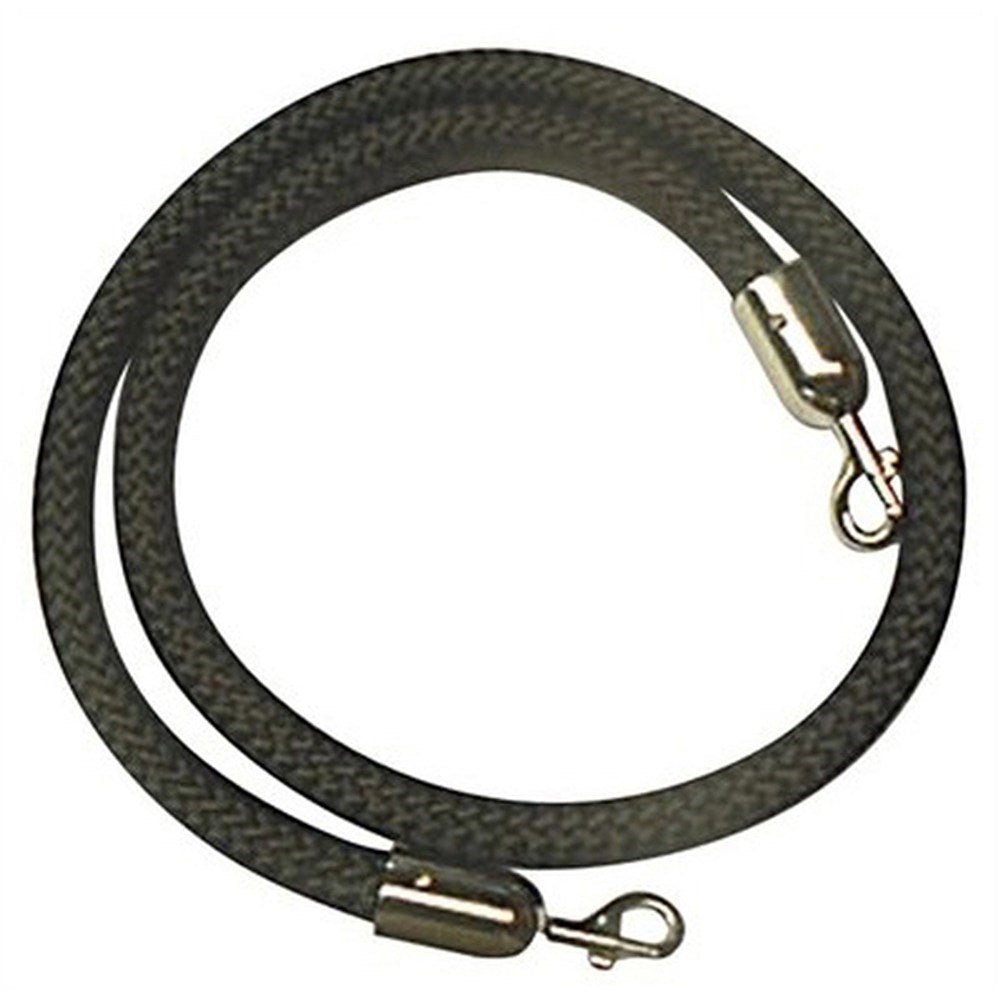
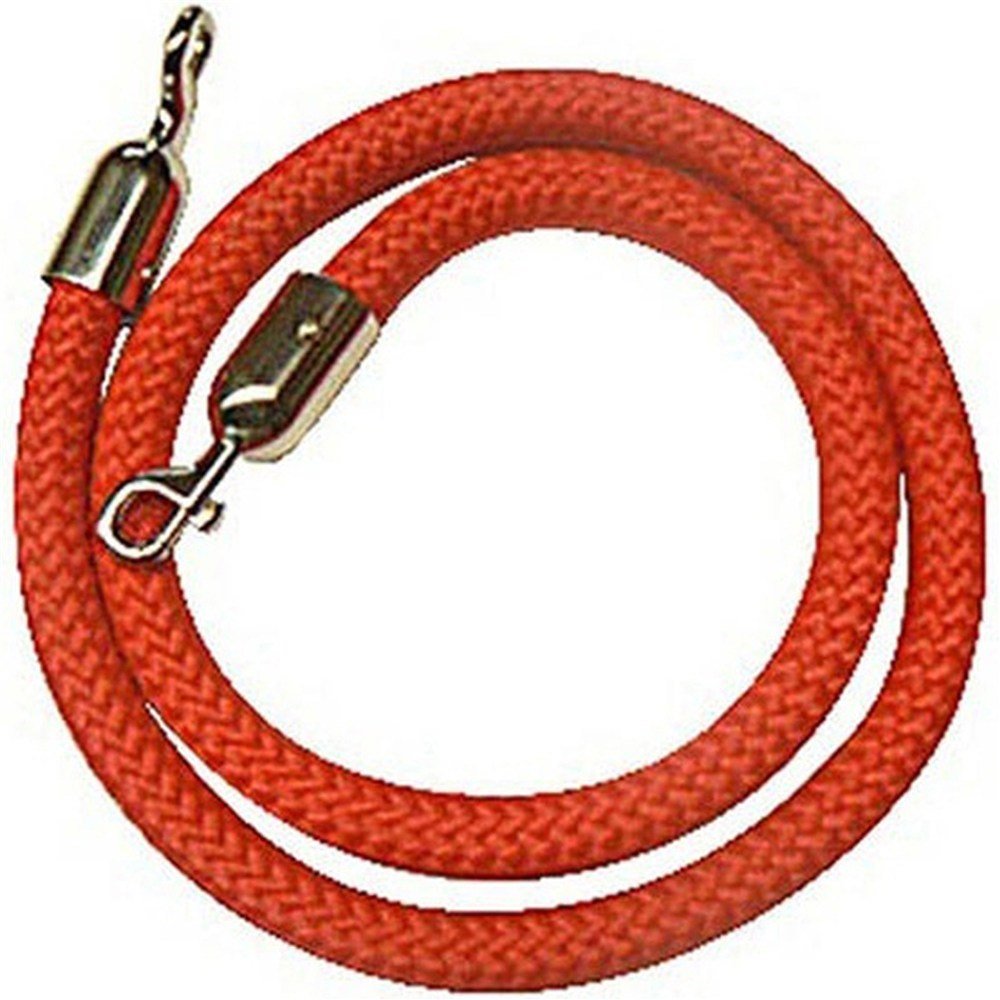
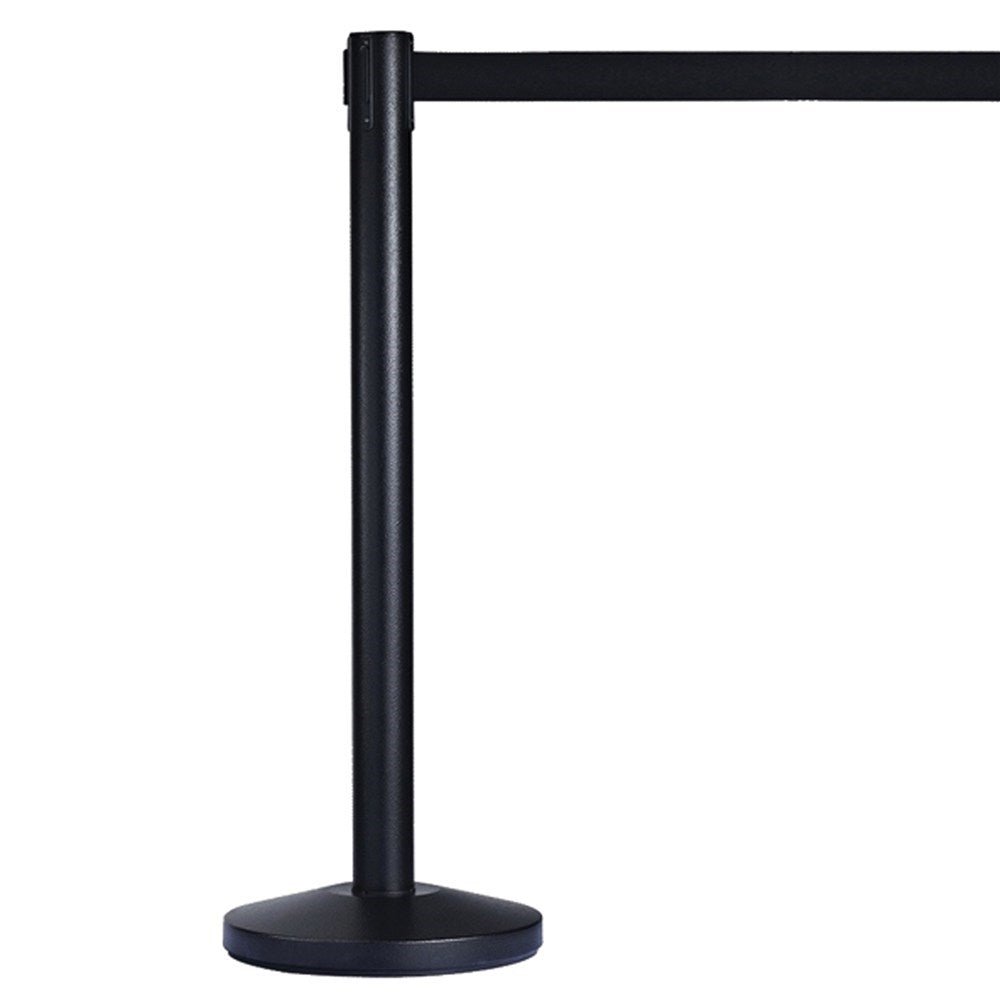
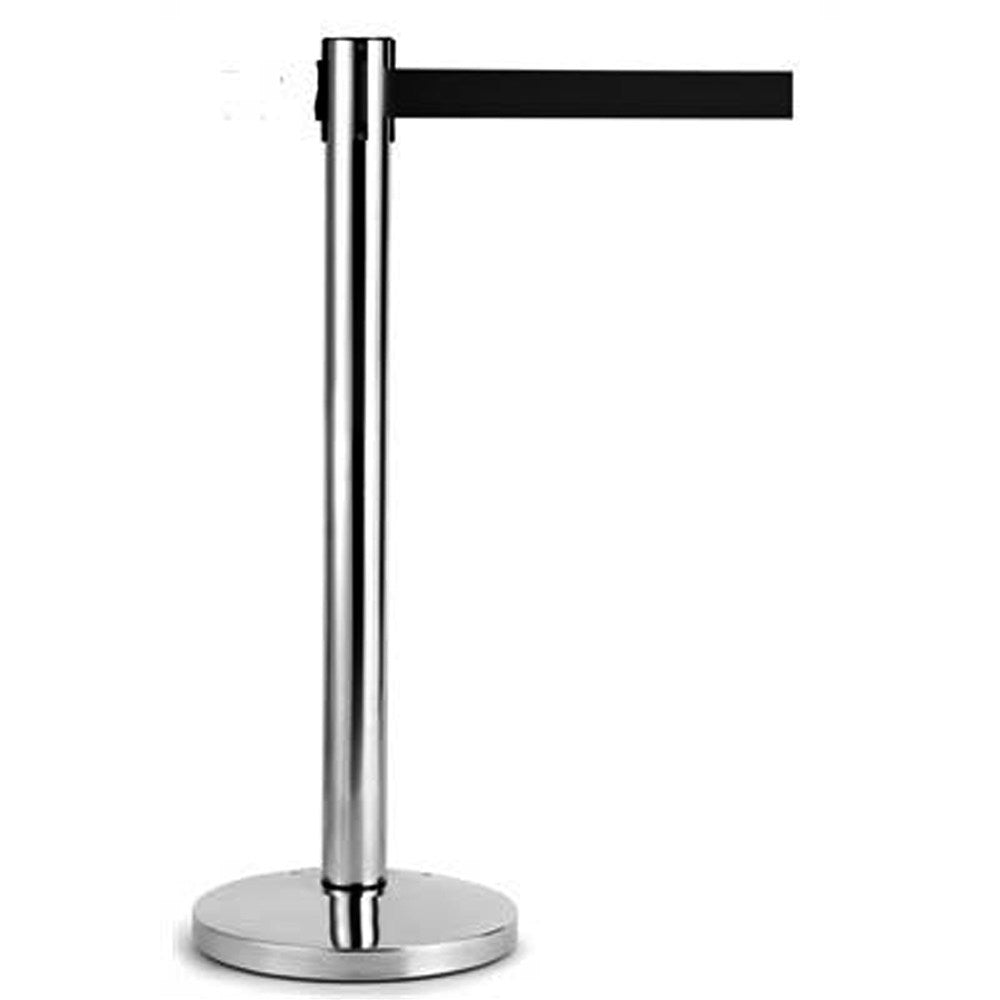
Rope barriers are used to guide pedestrian traffic, manage queues and restrict access to designated areas while maintaining a polished, professional appearance. They are commonly found in hotels, restaurants, theatres, galleries, exhibitions, reception areas, events and VIP entrances.
Yes. Most freestanding rope barrier posts have a weighted base to improve stability and reduce the risk of tipping. Depending on the model, bases may contain concrete, cement or heavy steel/iron components. Many also feature rubber or anti-slip protection underneath to help protect flooring.
Some rope barriers can be used outdoors, but you should check the specific product's weather rating. Stainless steel or purpose-built weather-resistant posts paired with braided polypropylene rope are generally better suited to outdoor conditions. Traditional velvet ropes can absorb moisture and deteriorate more quickly, while some indoor stanchions should only be used outdoors temporarily in sheltered, dry conditions.
Weight varies by design and the amount of ballast in the base. Typical commercial rope barrier posts can weigh around 5–10 kg each, although heavier-duty models may weigh more. A heavier, wider base generally provides greater stability in busy public areas.
A quality commercial rope barrier can provide many years of service when used and maintained appropriately. Lifespan depends on the construction material, frequency of use, exposure to weather and how the barriers are stored. Premium metal posts can last for years, while ropes are usually the first component to show wear; frayed, faded or sagging ropes should be replaced as required.