Notice Boards | Pinboards
Notice Boards & Pinboards for Clear Communication
Cork, fabric and acoustic pinboards for schools, offices and government fitouts
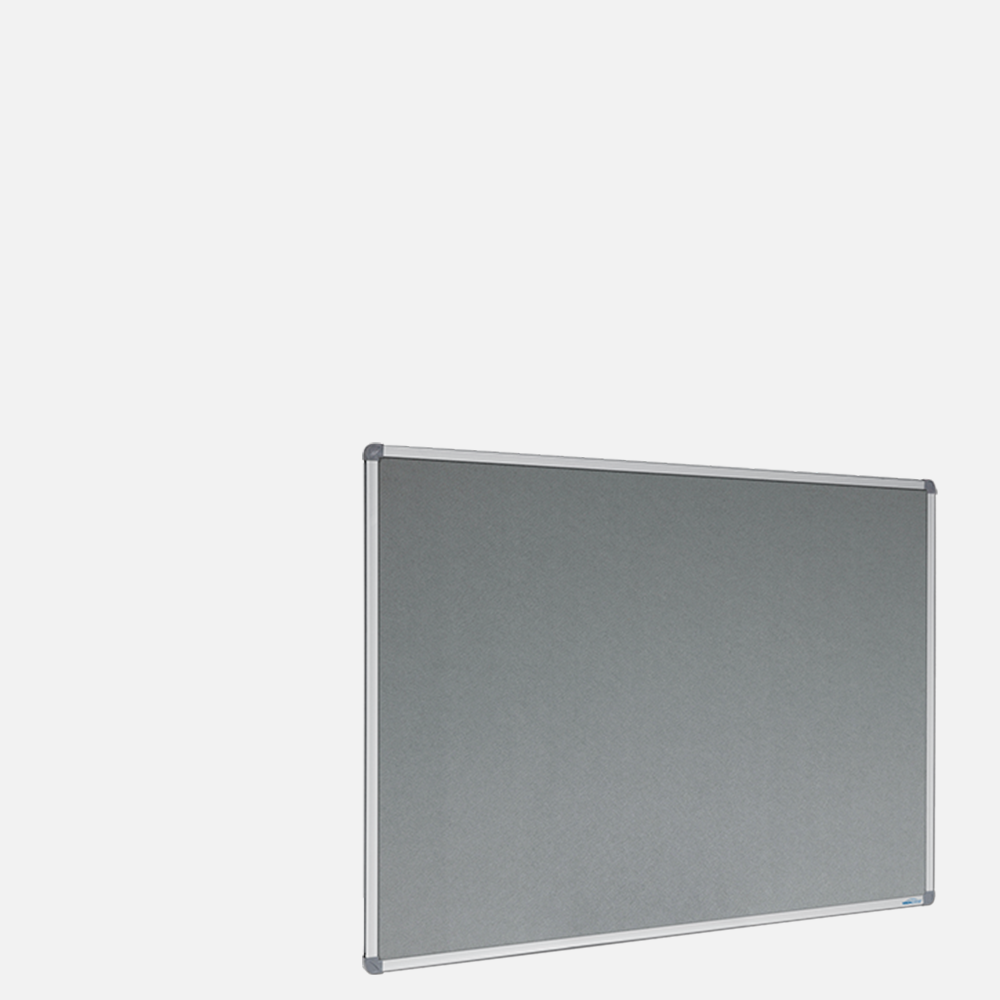
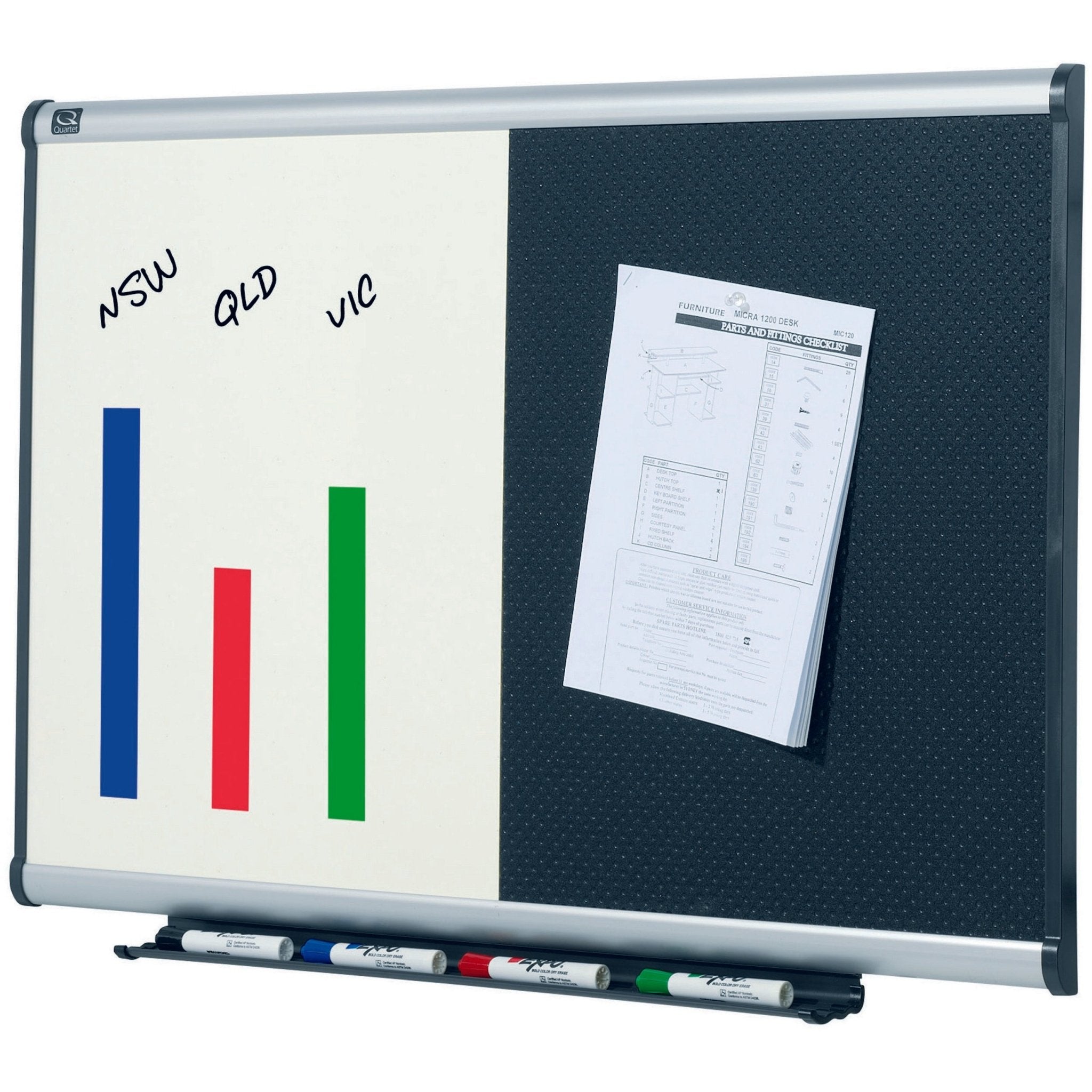
Keep teams informed and ideas visible with our versatile collection of noticeboards and pinboards, perfect for schools, offices, and public facilities across Australia. From classic cork boards to modern fabric and acoustic panels, our range supports clear, consistent communication in shared spaces. For added security in high-traffic or public areas, we also offer lockable notice boards—ideal for safeguarding important messages and official information.
Choose from a variety of surfaces, colours and frame styles to suit staff rooms, meeting areas, hallways or classrooms. Acoustic pinboards offer the added benefit of sound absorption, helping reduce ambient noise in open-plan environments. Whether you're displaying announcements, team updates or student work, these boards provide a professional, organised backdrop for everyday information sharing.
Our boards are built for high-traffic use with quality pin-holding surfaces and sturdy frames. Many models are available in custom sizes, with wall-mount kits included for simple installation. We also offer frameless designs for a clean, modern finish that blends seamlessly into corporate or educational interiors. For external applications, our outdoor notice boards are weather-resistant and lockable—ideal for schools, councils, and building entrances requiring secure public display.
Backed by nationwide delivery and trusted by councils, principals and procurement managers across Australia, Office Furniture Designs offers reliable solutions to keep your workplace connected. Explore our pinboard collection today.