Filters
25 products

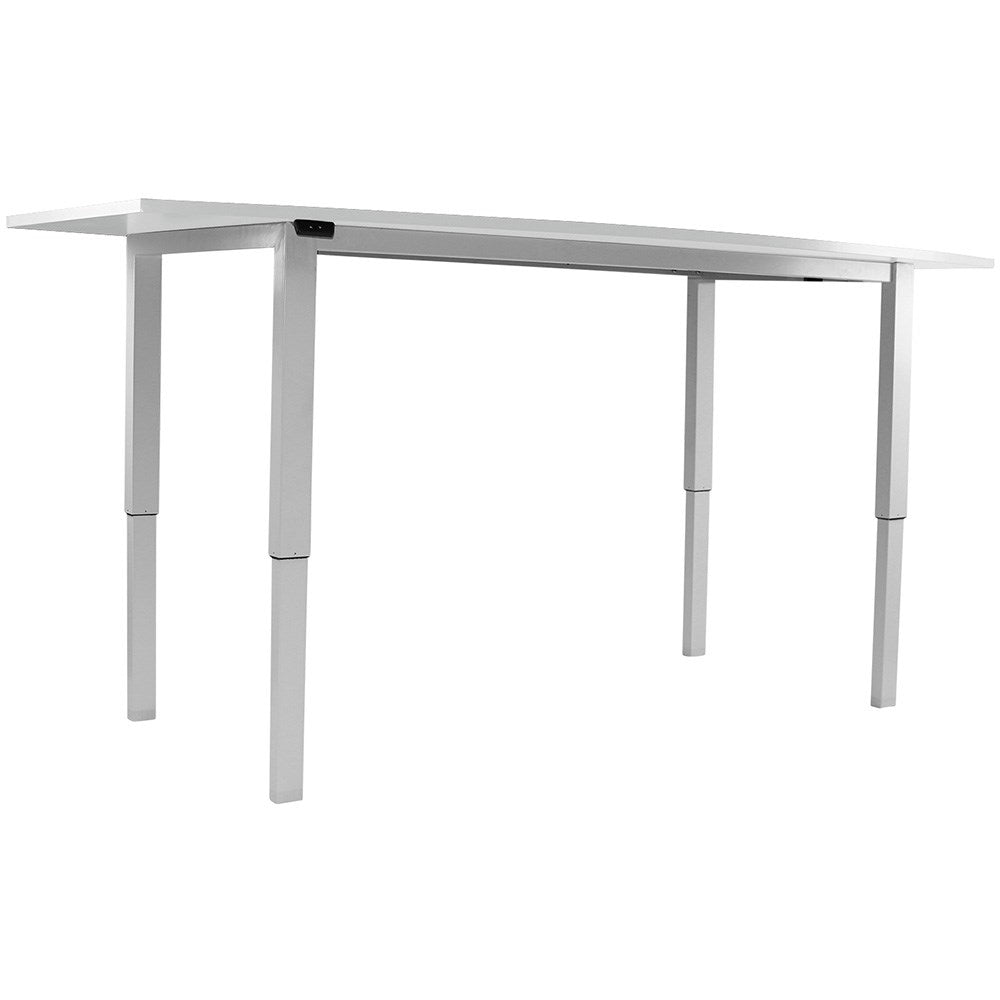


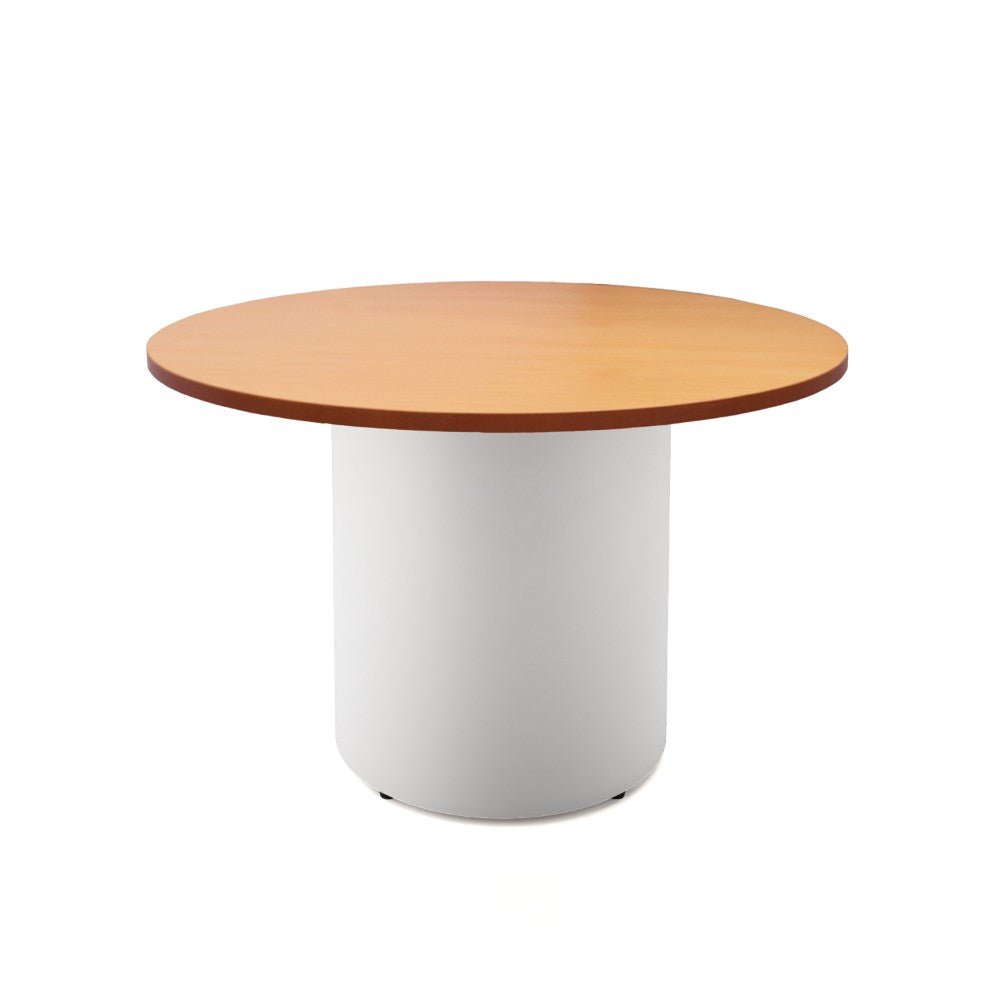
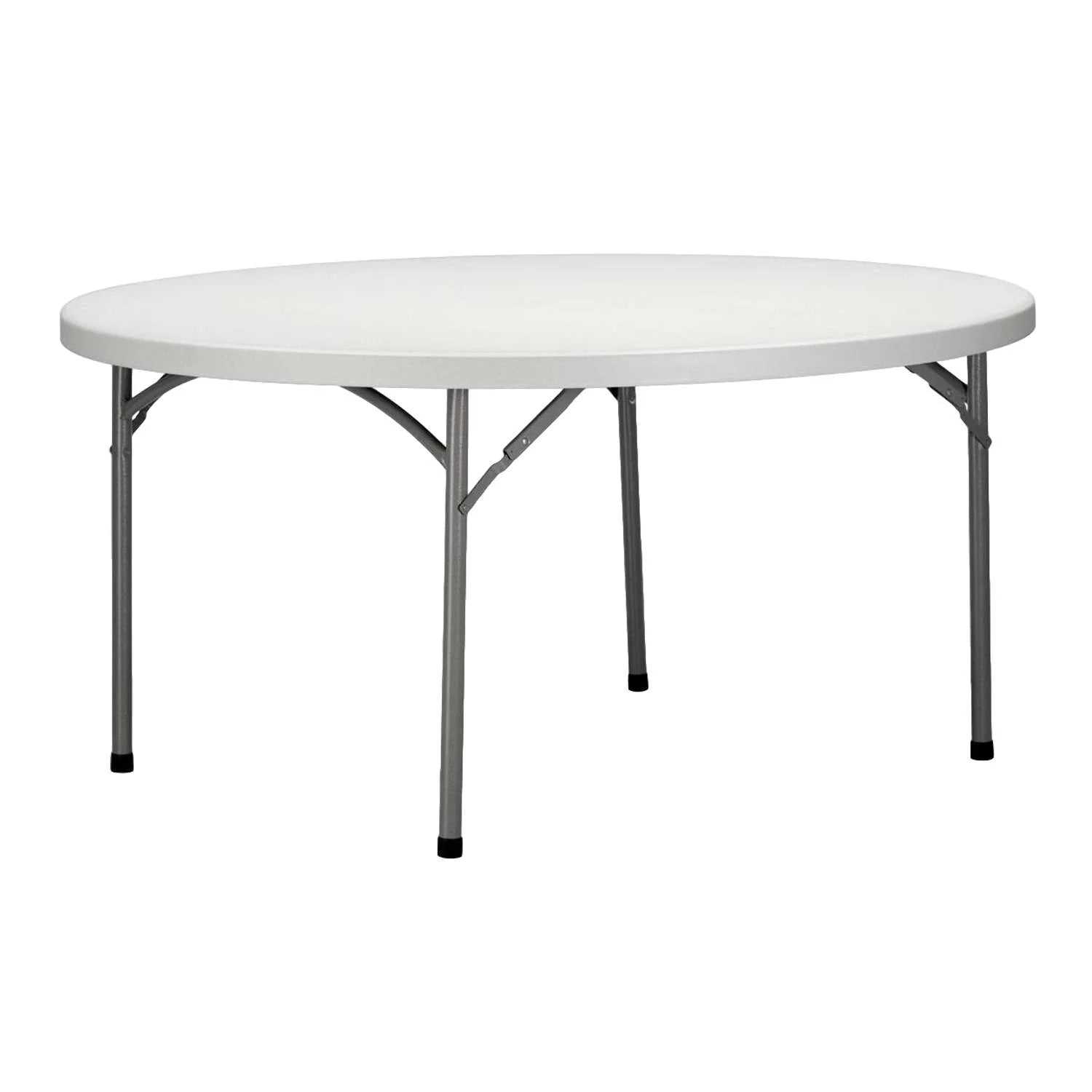


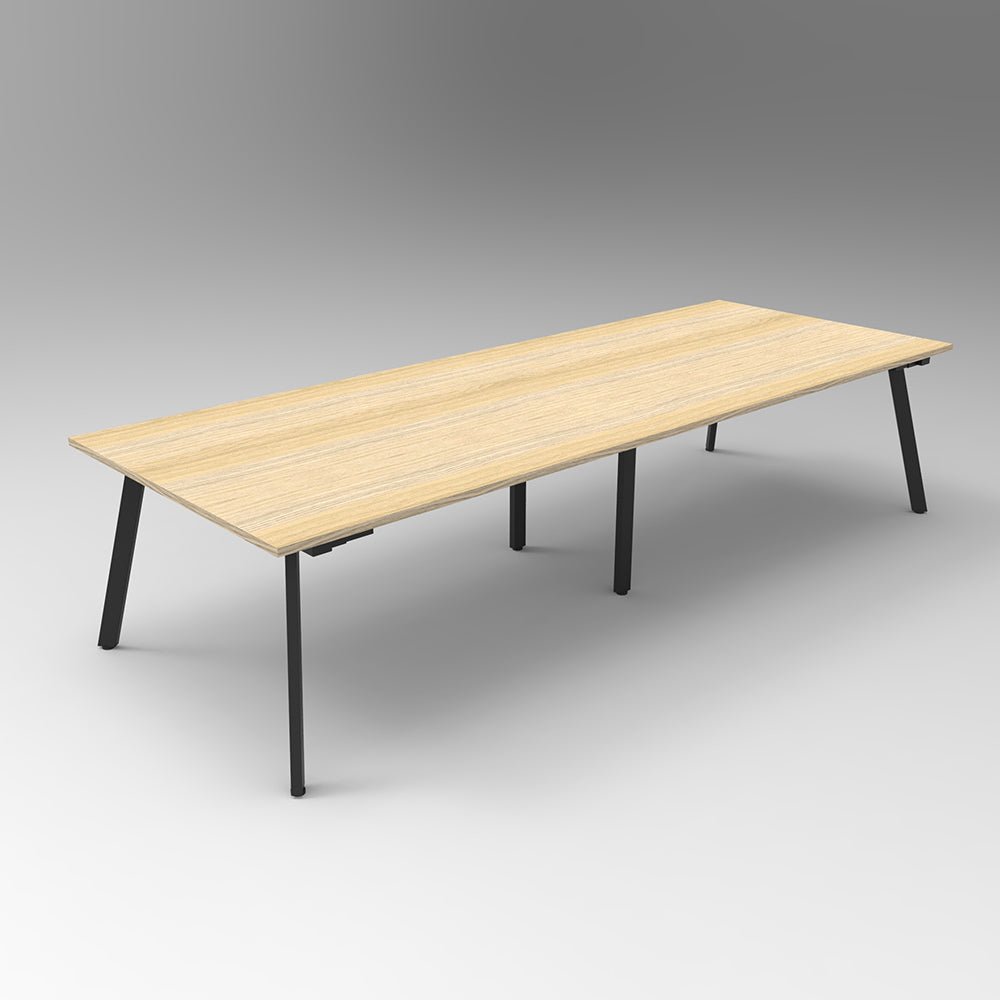
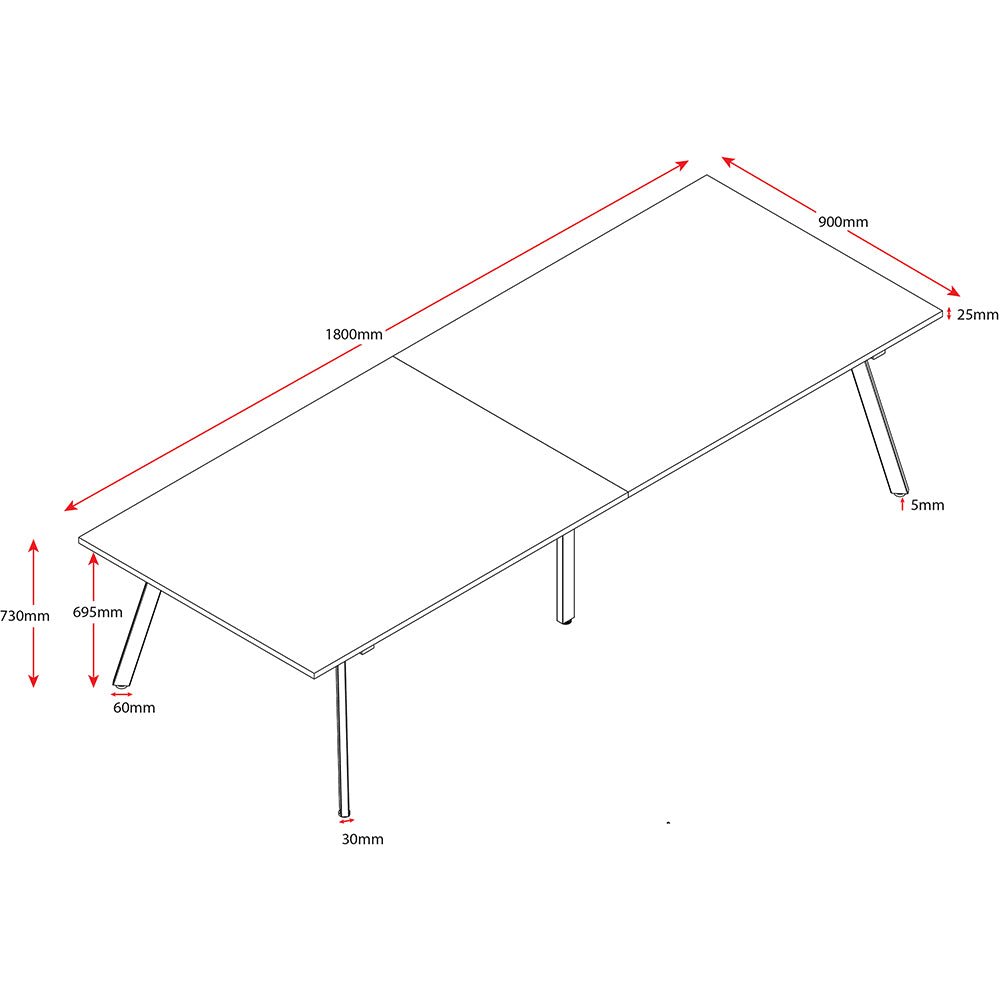


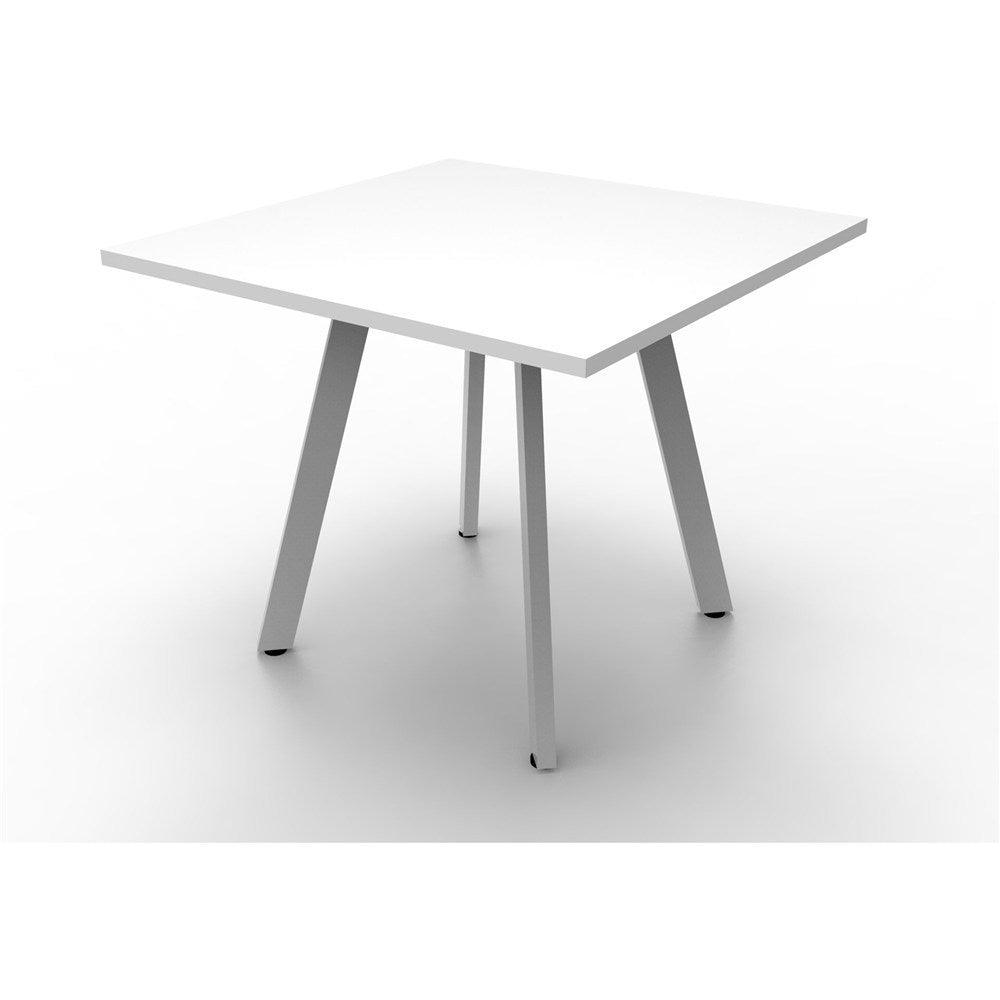
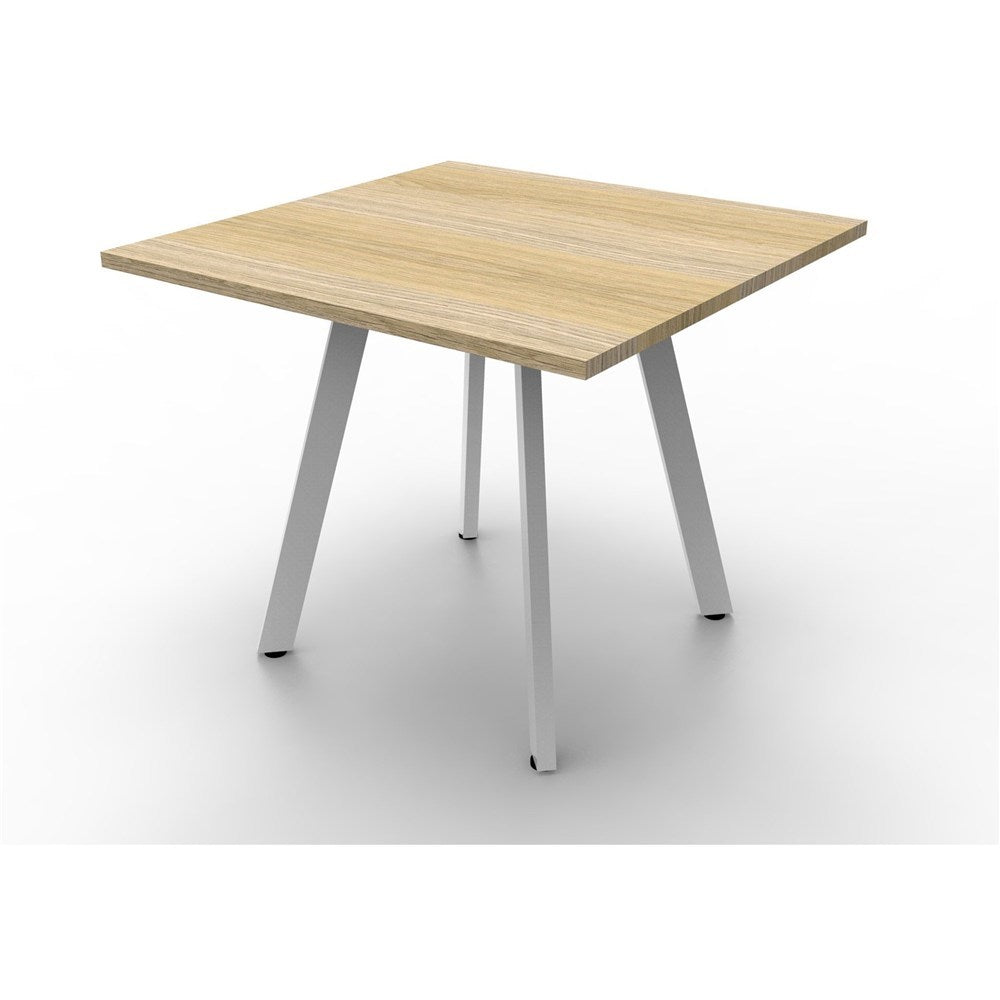


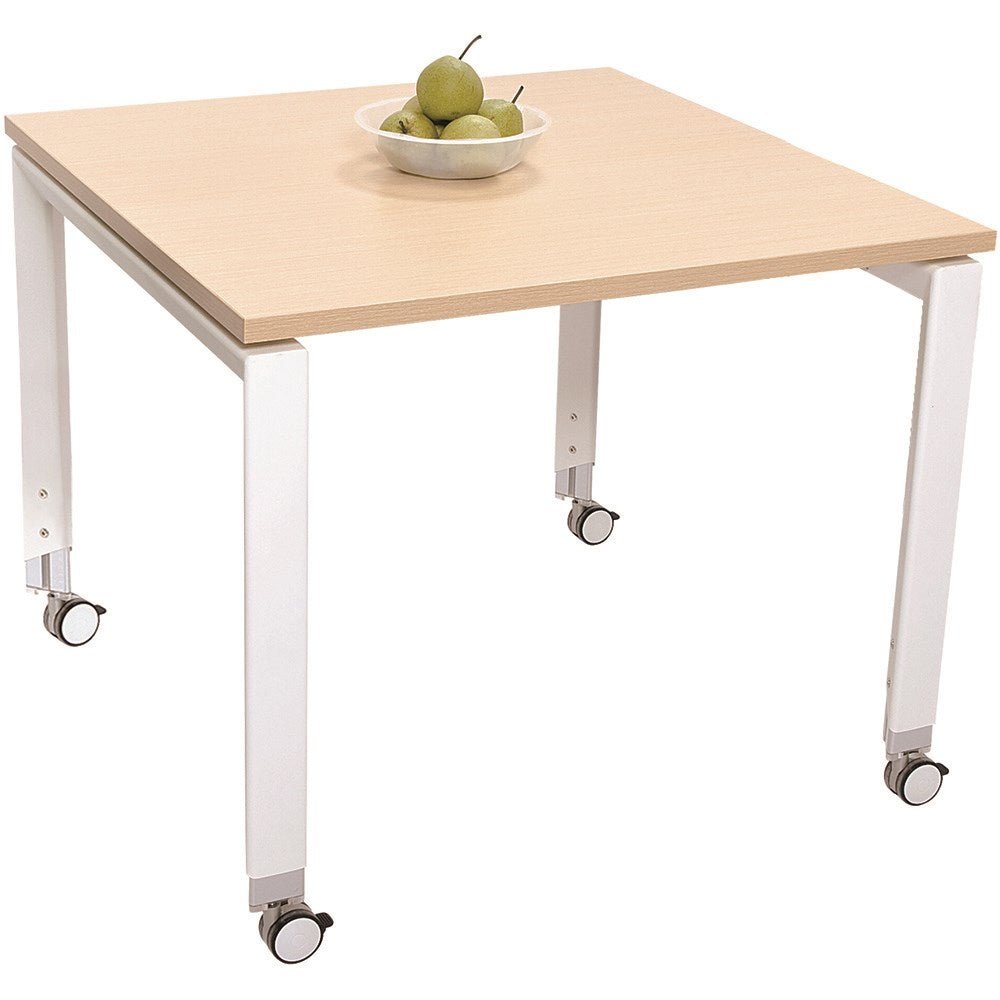


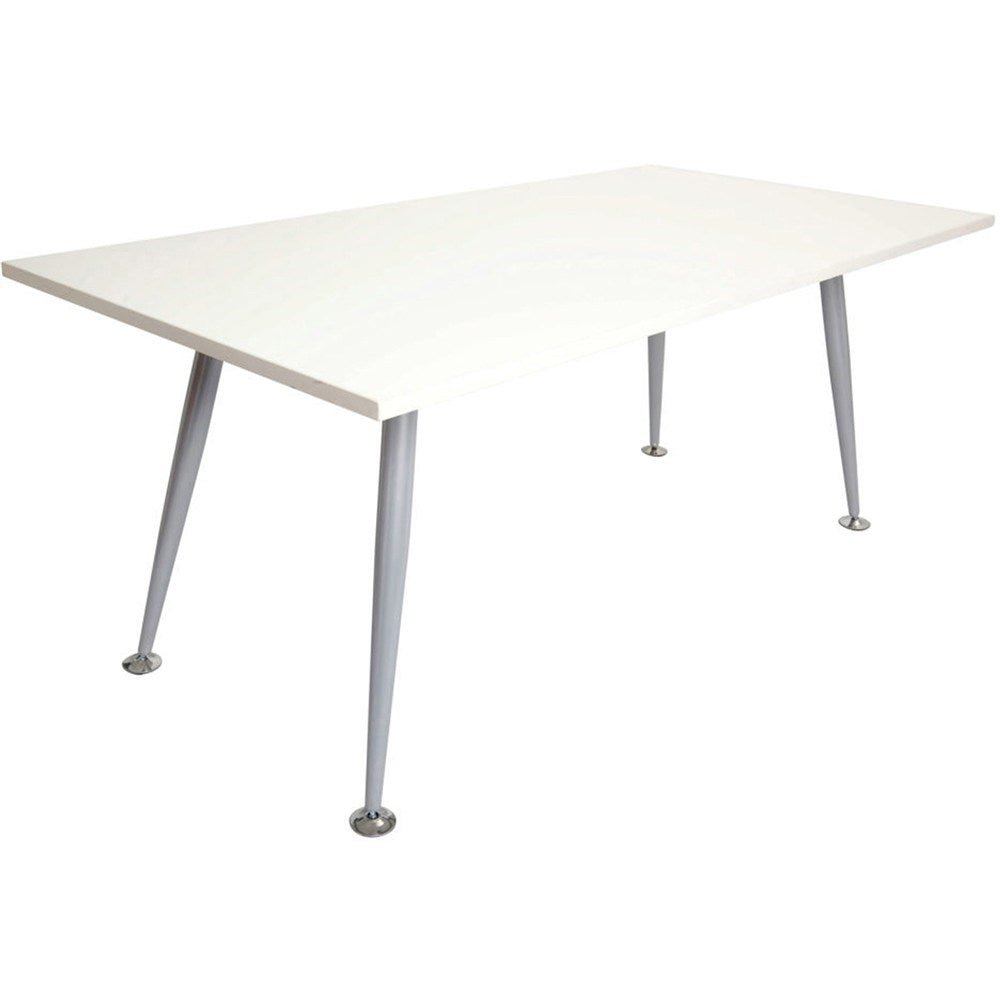
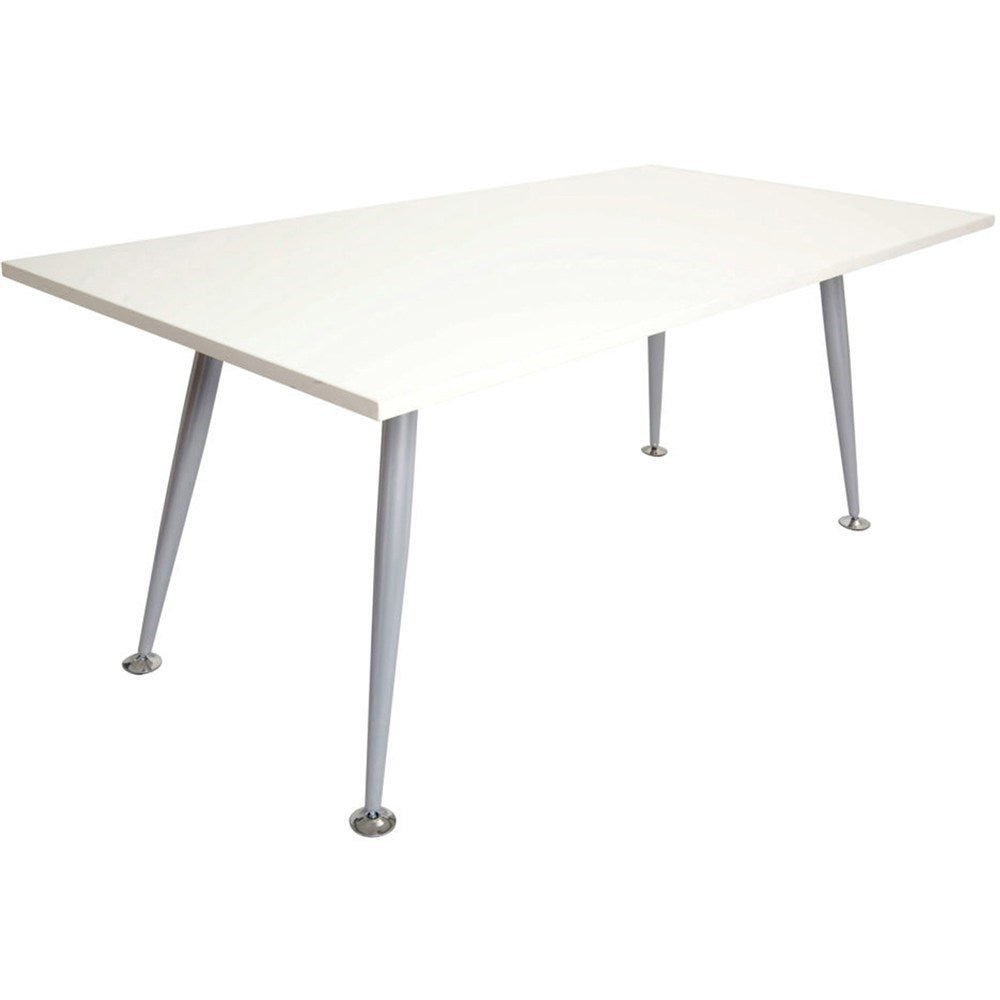


As a general guide, allow around 600–800 mm of table width per person. Around 600 mm is suitable for most standard meetings, while 700–800 mm provides more comfortable space for laptops, notebooks and longer meetings.
Measure the room and consider more than just the table dimensions. Ideally, allow around 900–1200 mm of clearance between the table edge and surrounding walls or furniture so chairs can be pulled out and people can move comfortably around the room. Also account for doors, storage units, screens and presentation areas.
A round meeting table is ideal for smaller, collaborative meetings because everyone can see each other easily and there is no defined head of the table. A rectangular meeting table generally provides greater seating capacity and works particularly well for larger rooms, formal meetings and presentations. Your room dimensions and typical number of attendees should ultimately determine the best shape.
Yes. Many commercial meeting tables can be fitted with integrated power outlets, allowing users to conveniently plug in laptops and other equipment directly at the table. Power modules can often be positioned in the centre or along the edge of the tabletop, with cables concealed underneath for a cleaner meeting space.
Yes. Meeting tables can be configured with integrated USB-A and USB-C charging ports, often alongside standard power outlets. This is particularly useful in boardrooms, conference rooms and collaborative spaces where attendees regularly use laptops, tablets and phones during meetings.