Filters
29 products

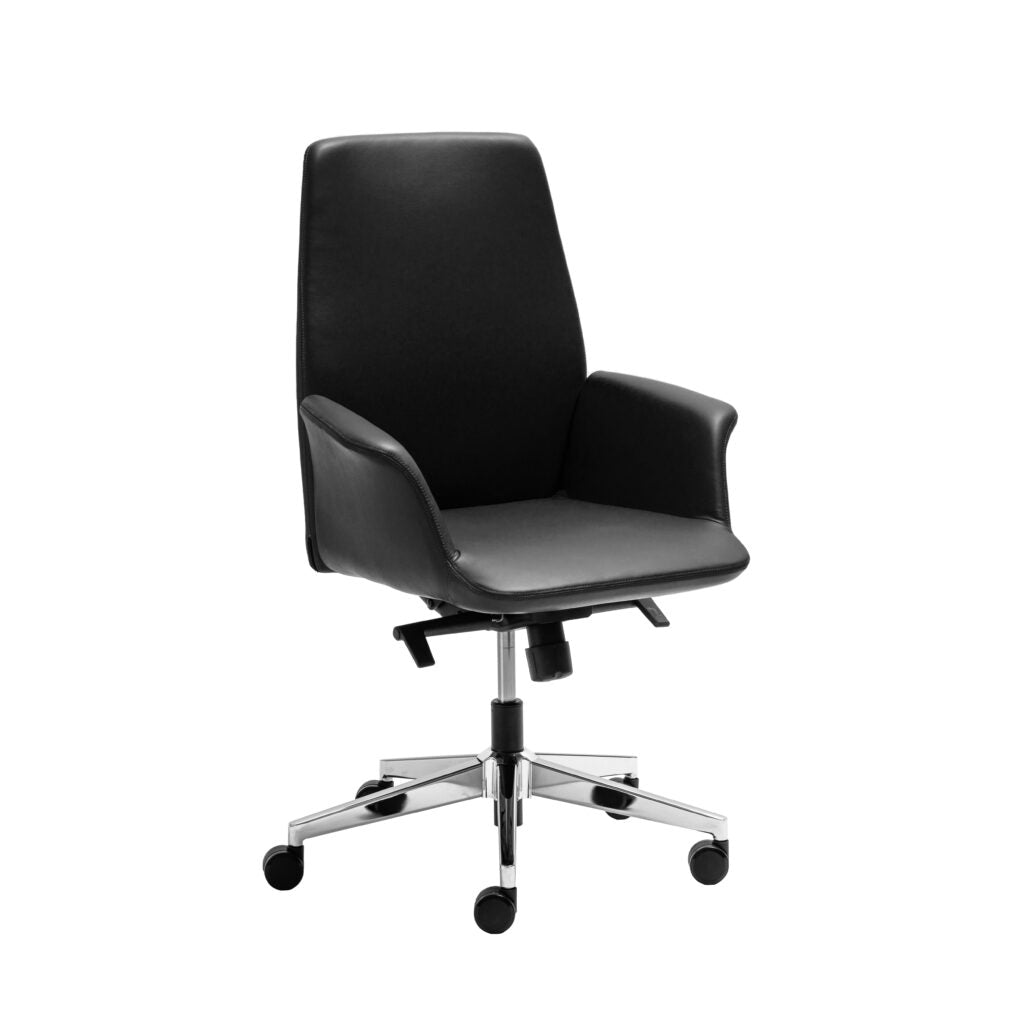


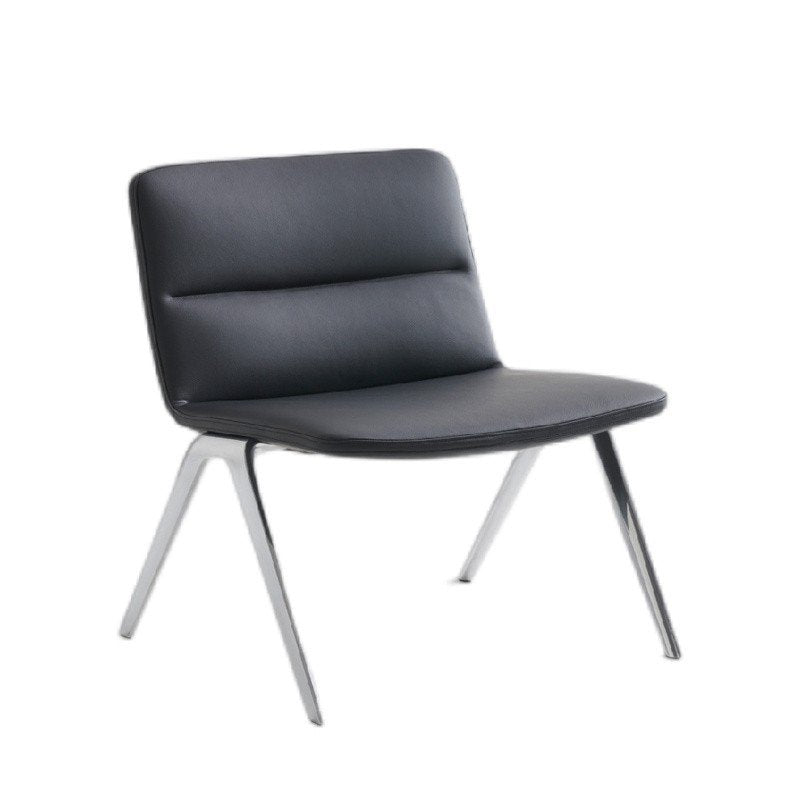
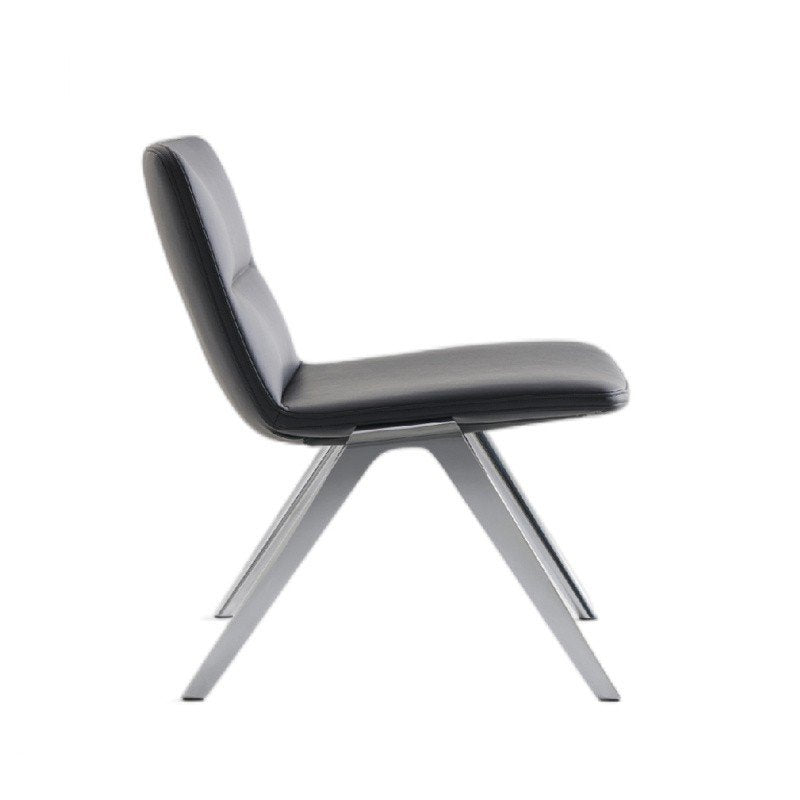
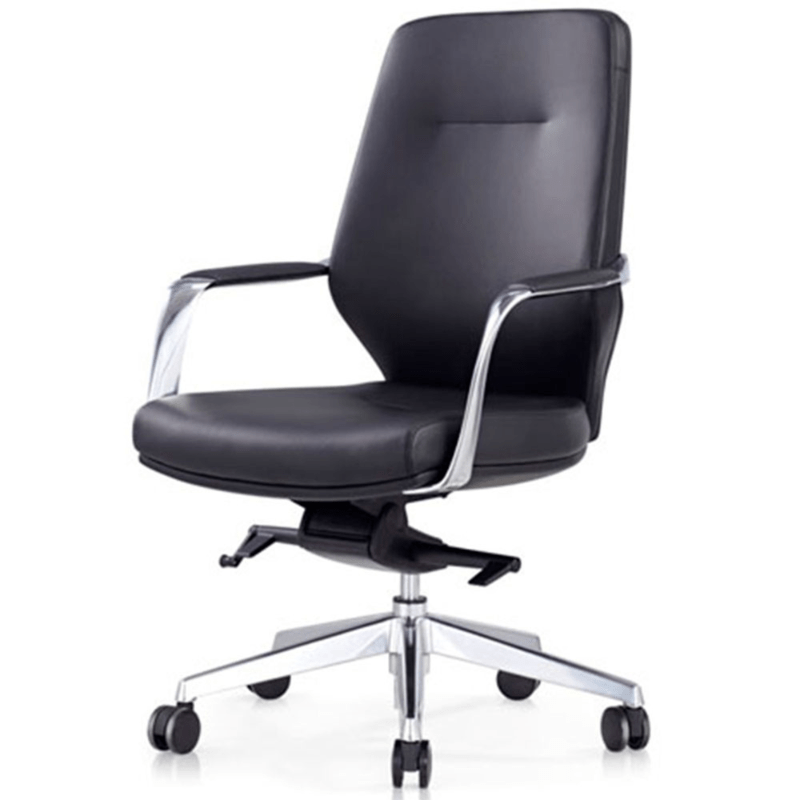
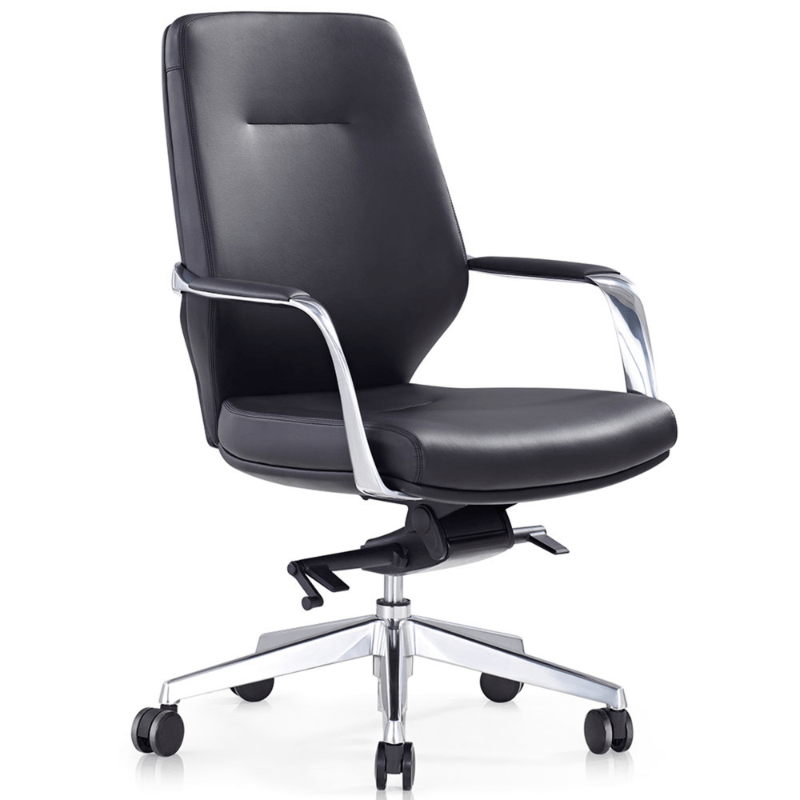
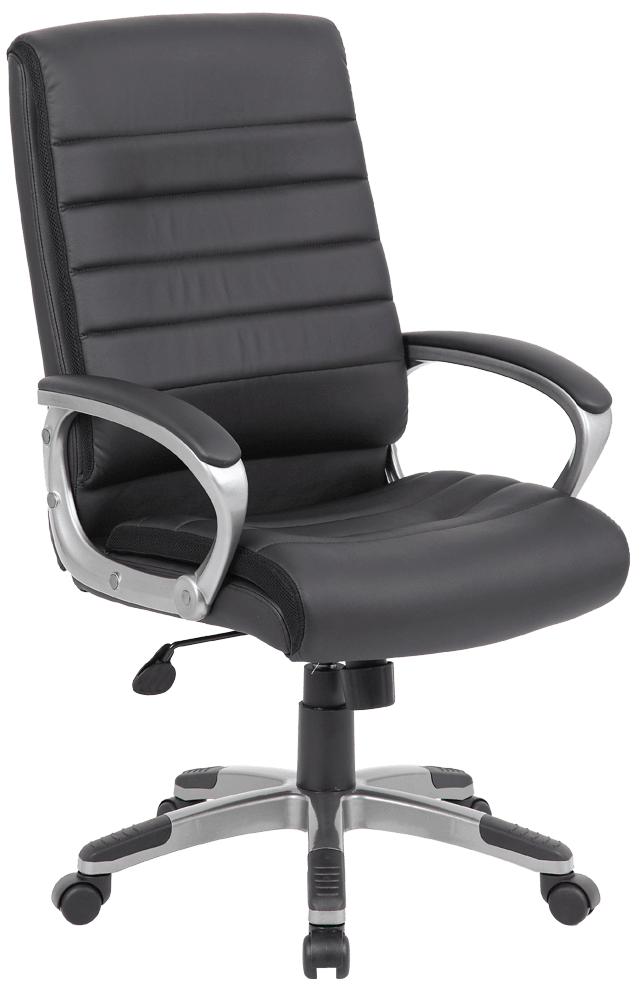
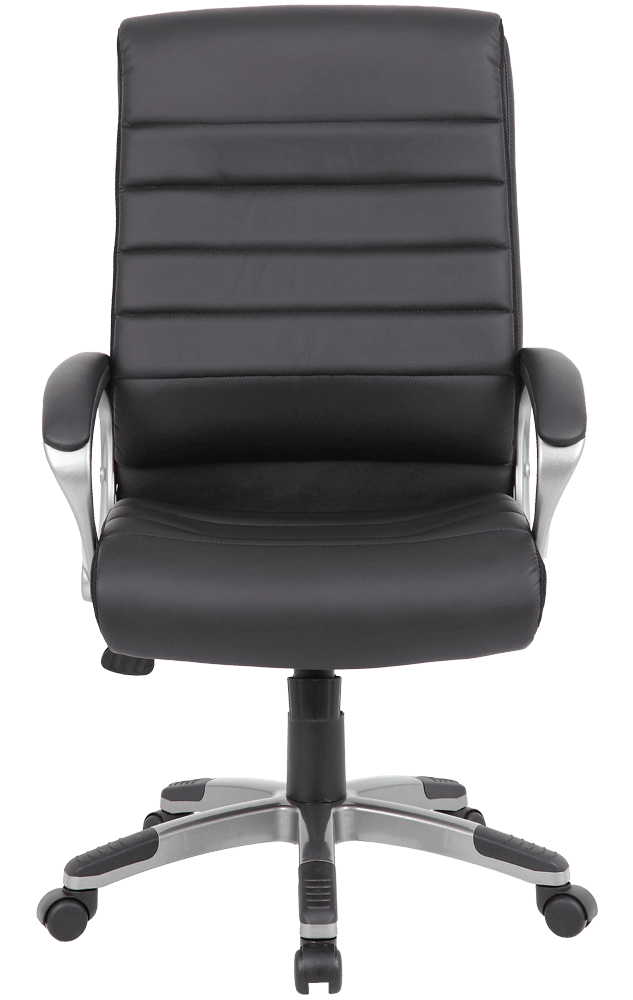
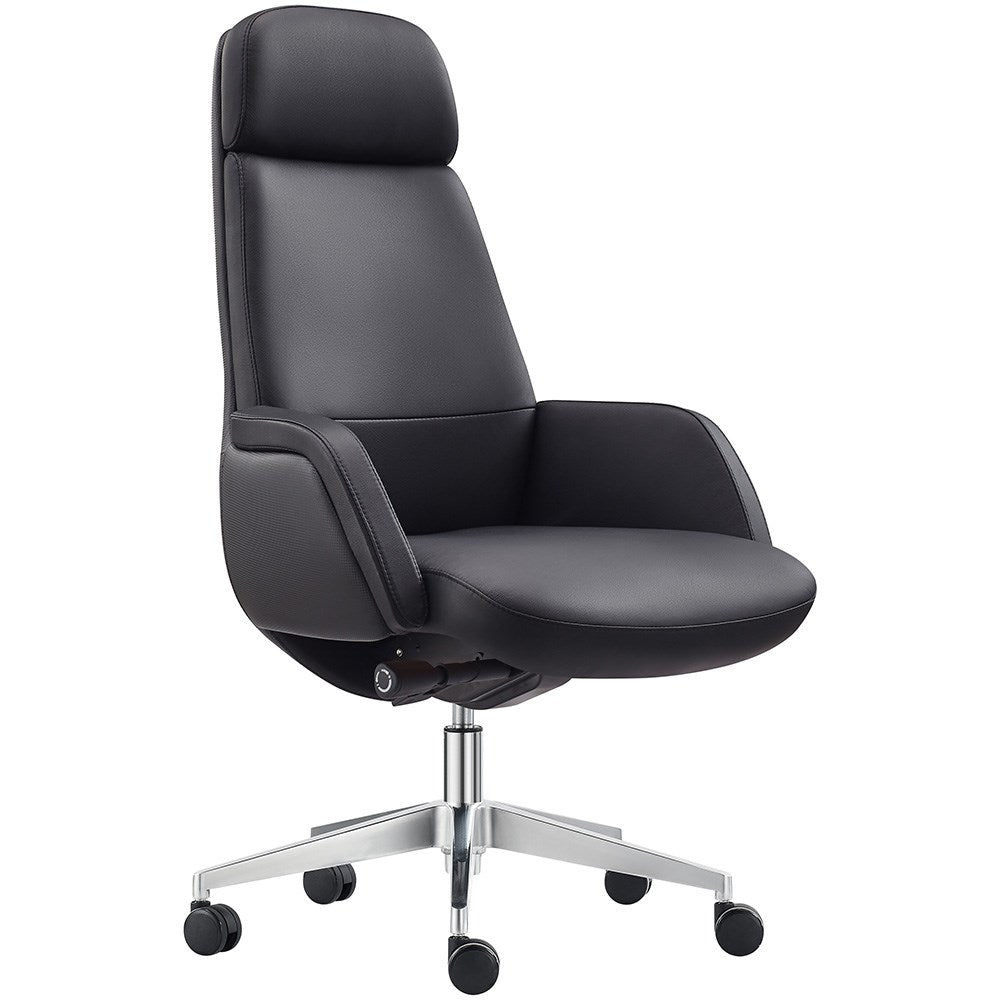
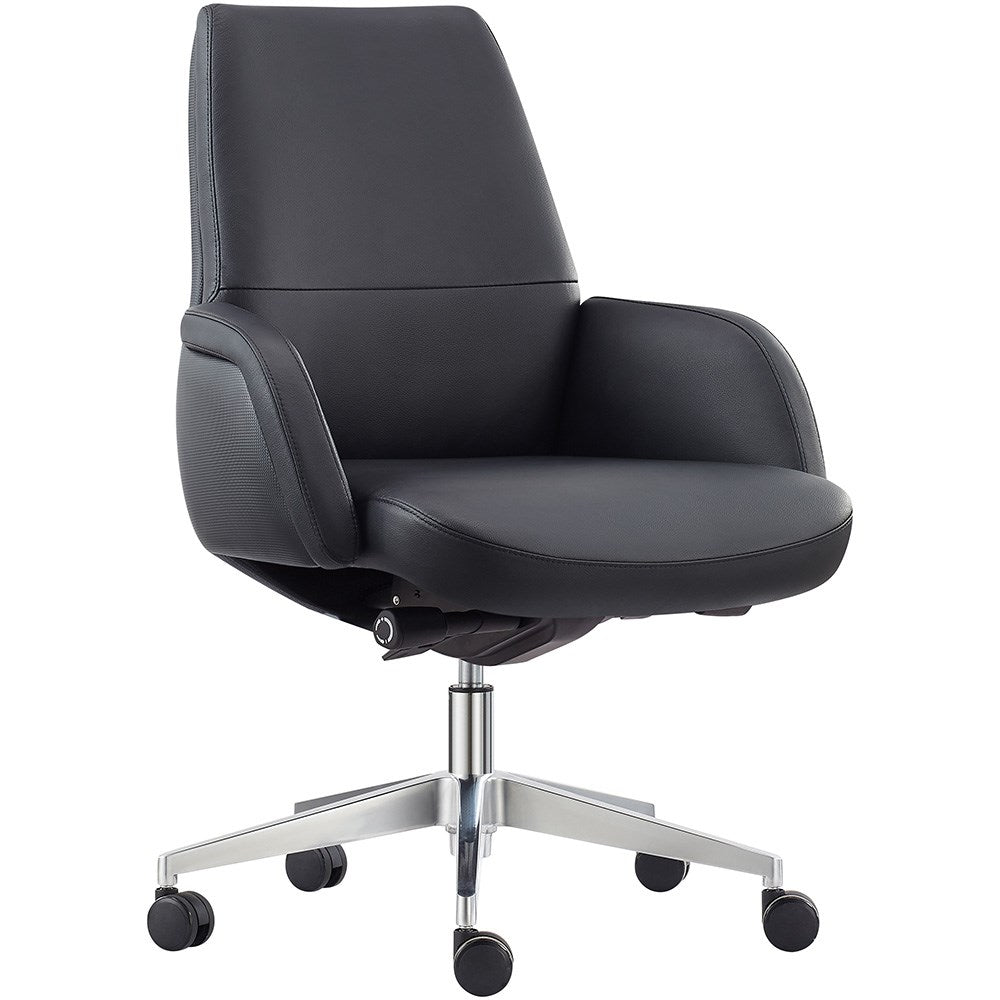
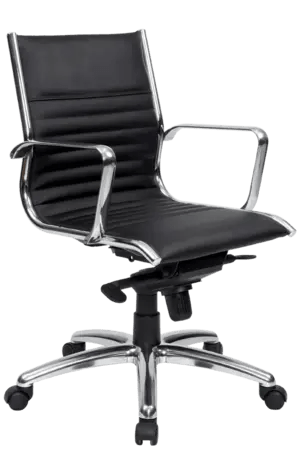
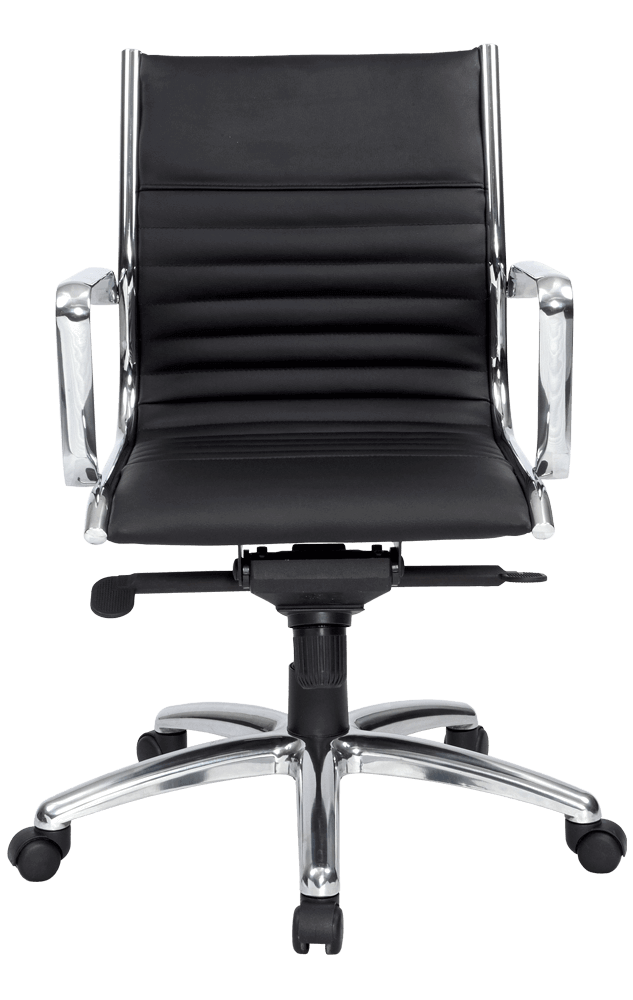
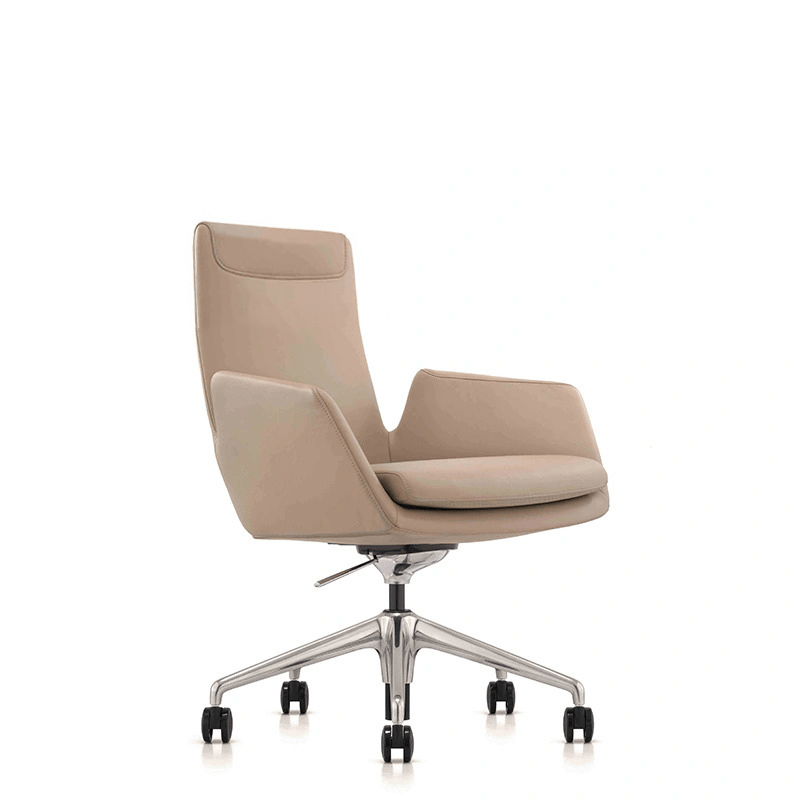

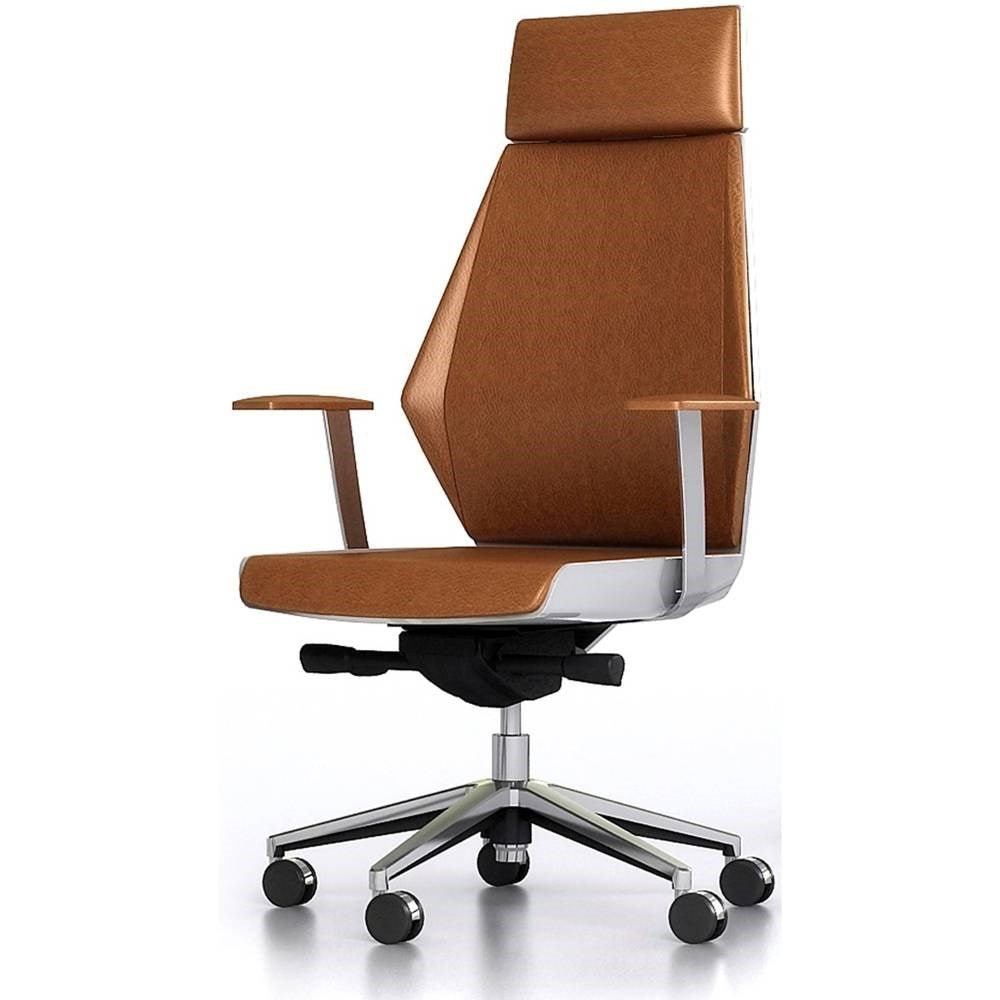
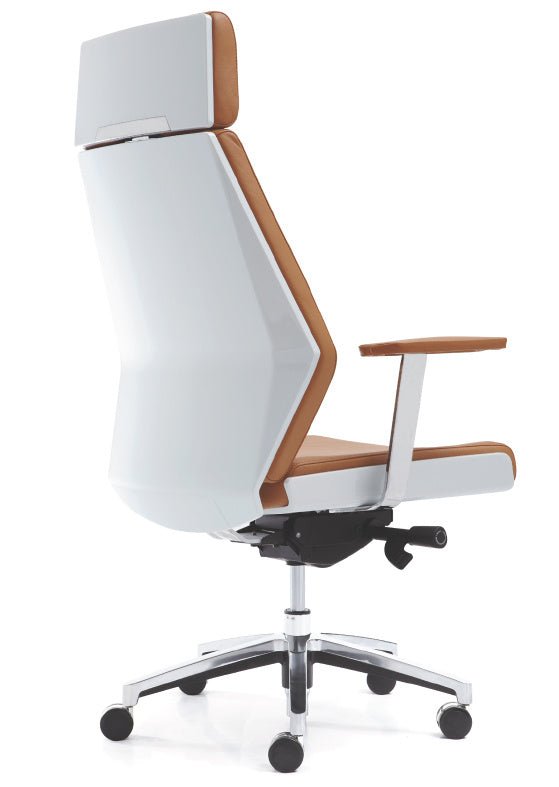
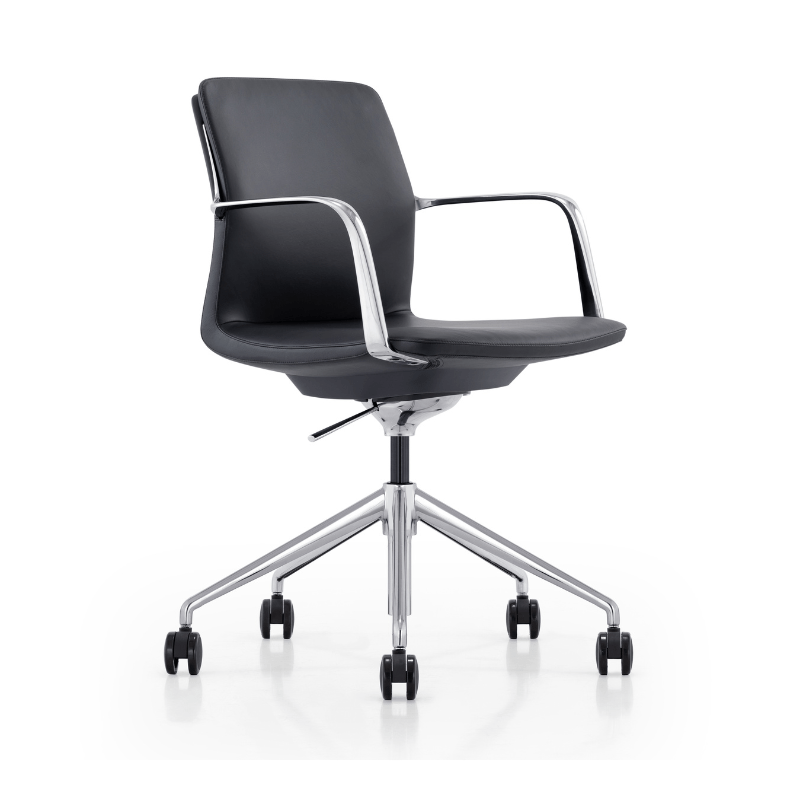
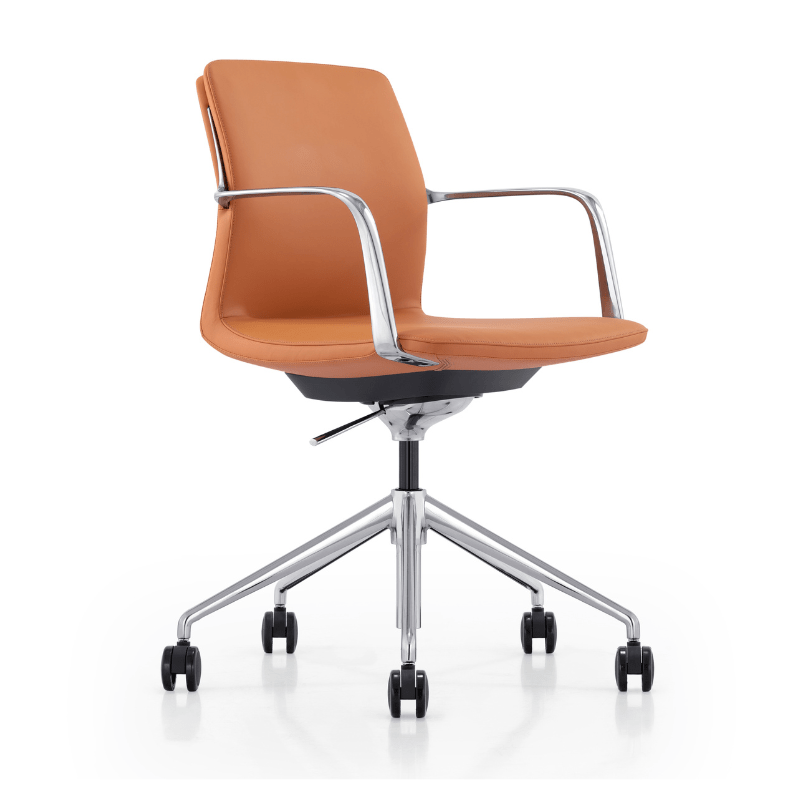


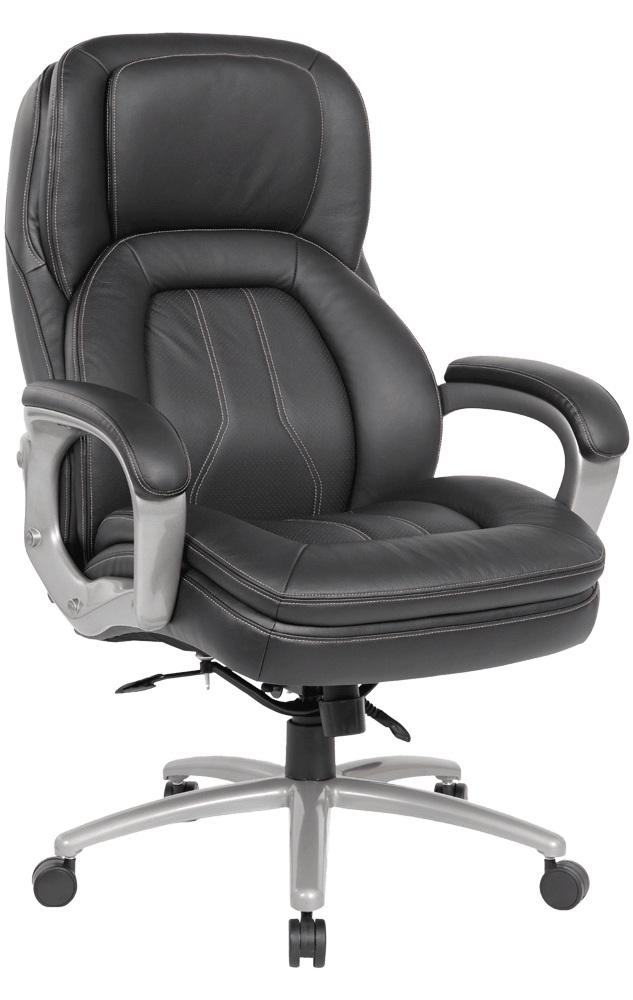
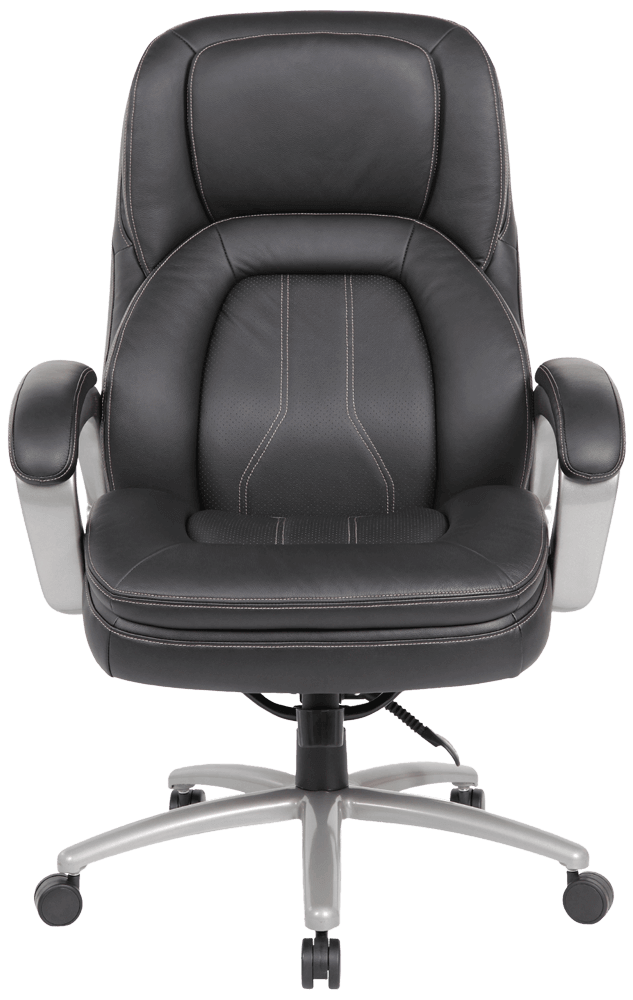
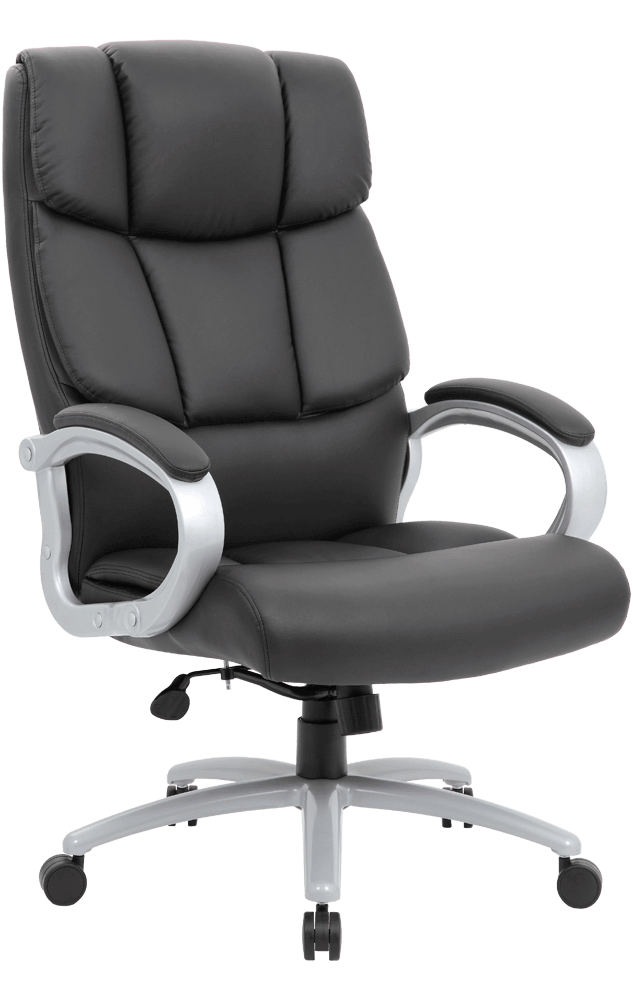
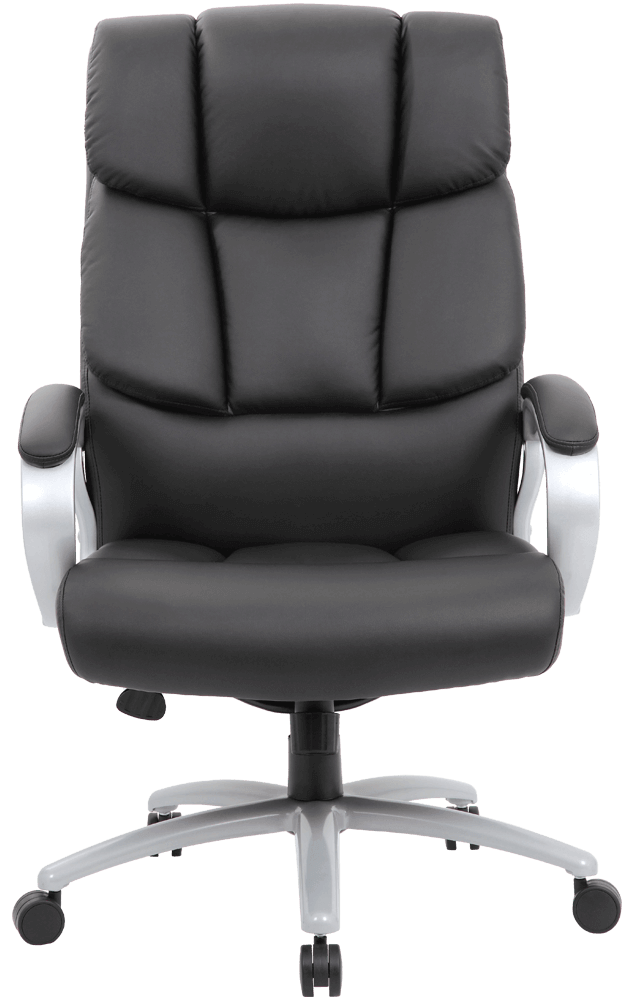

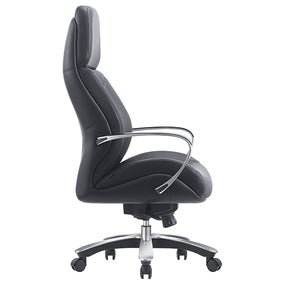
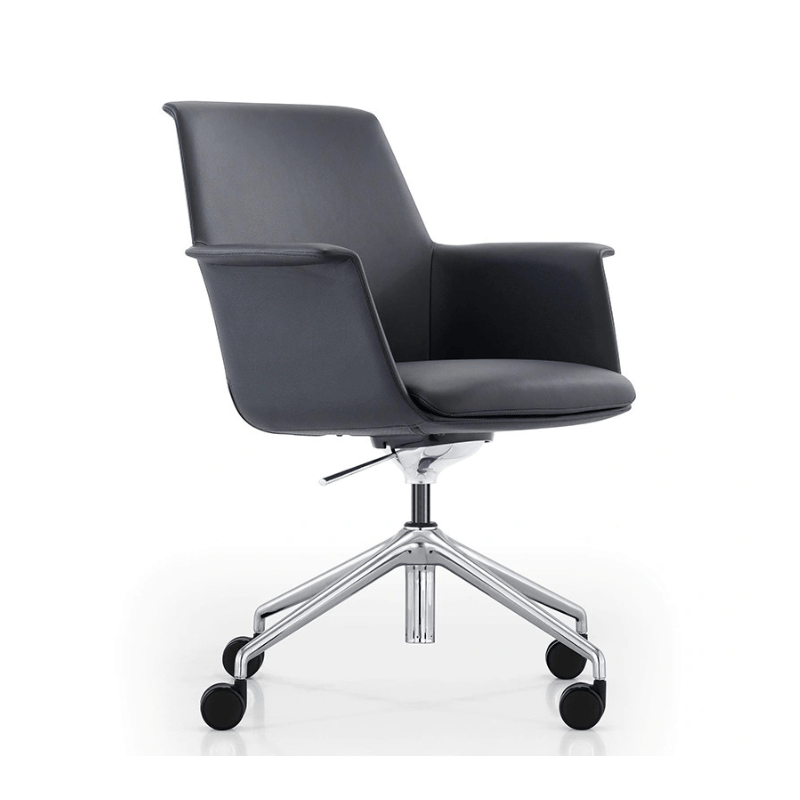
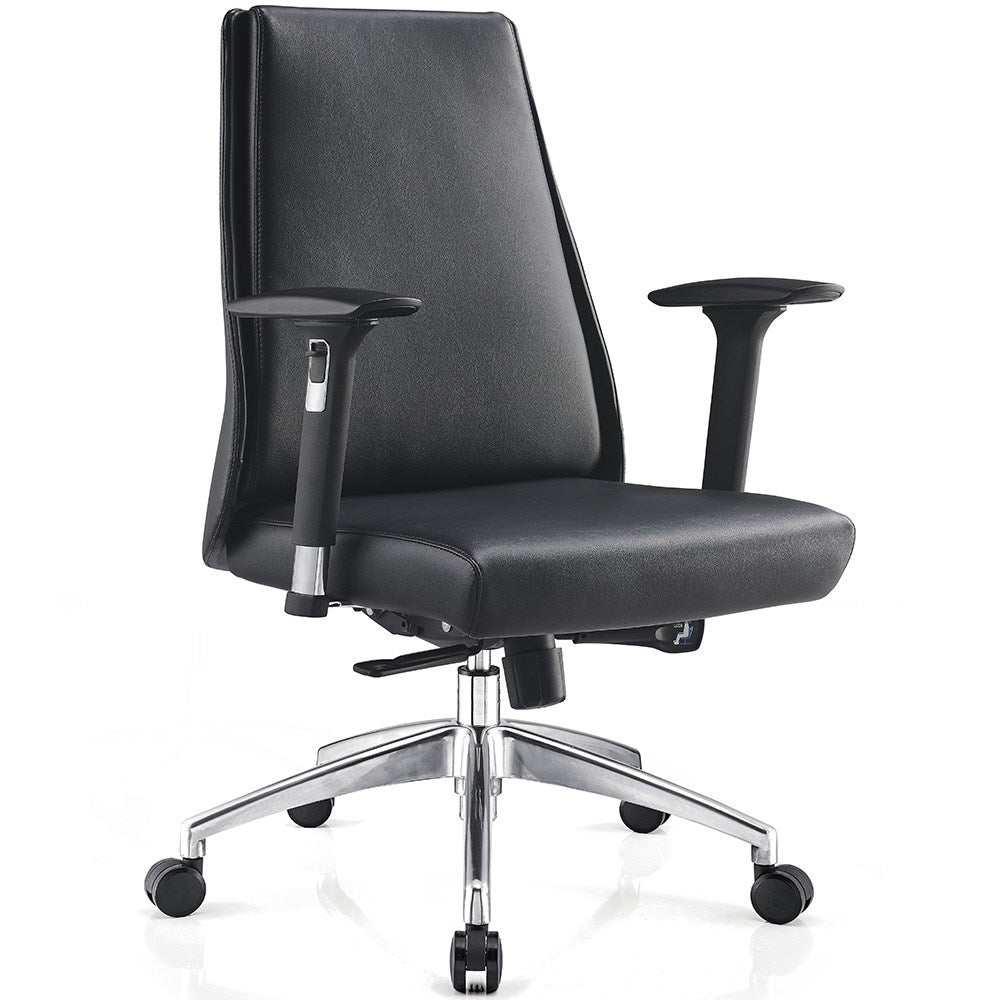
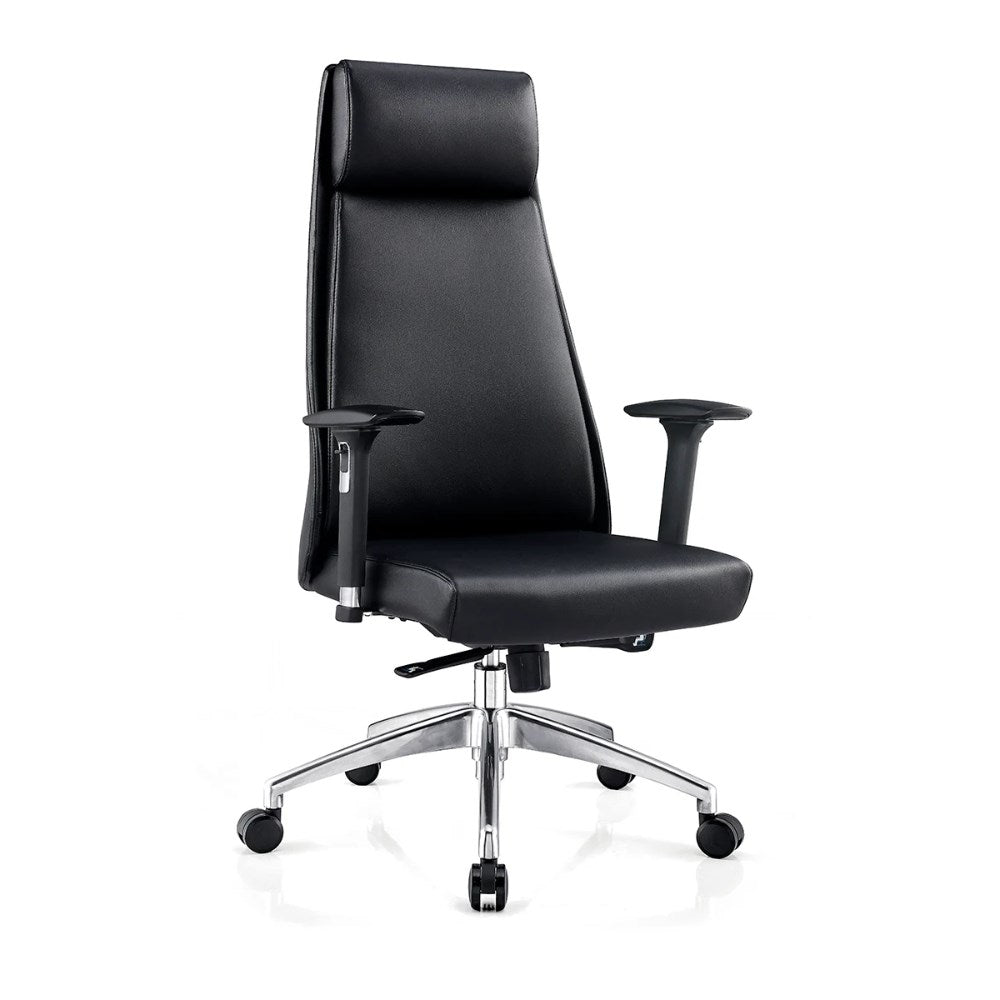


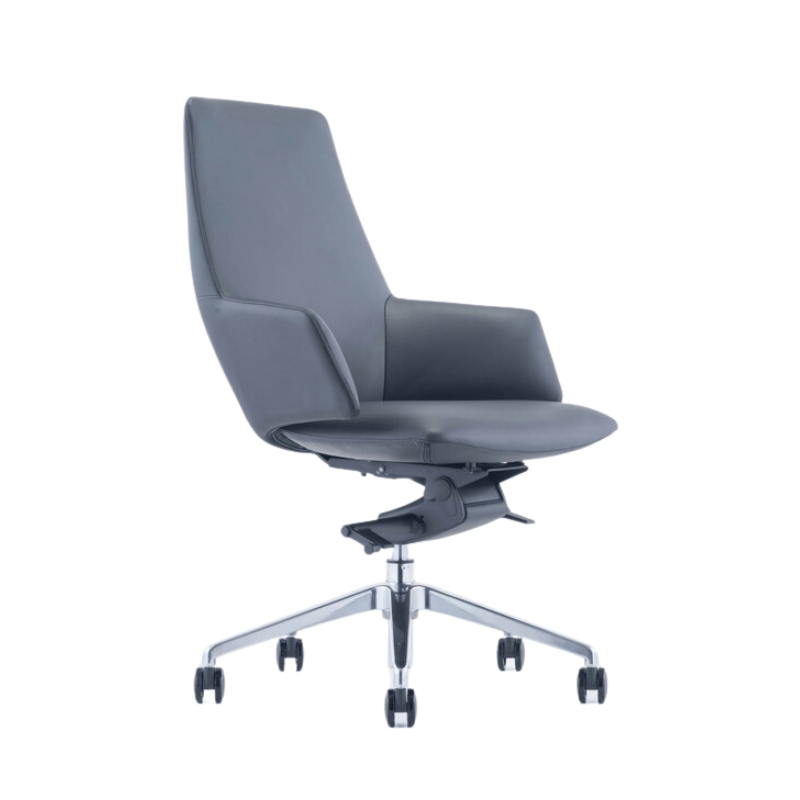
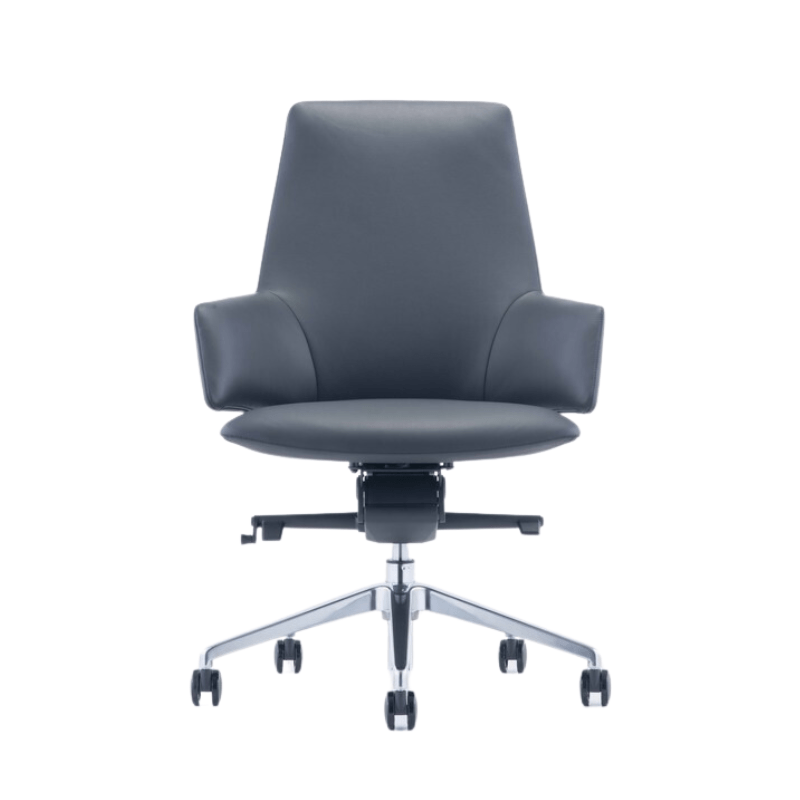
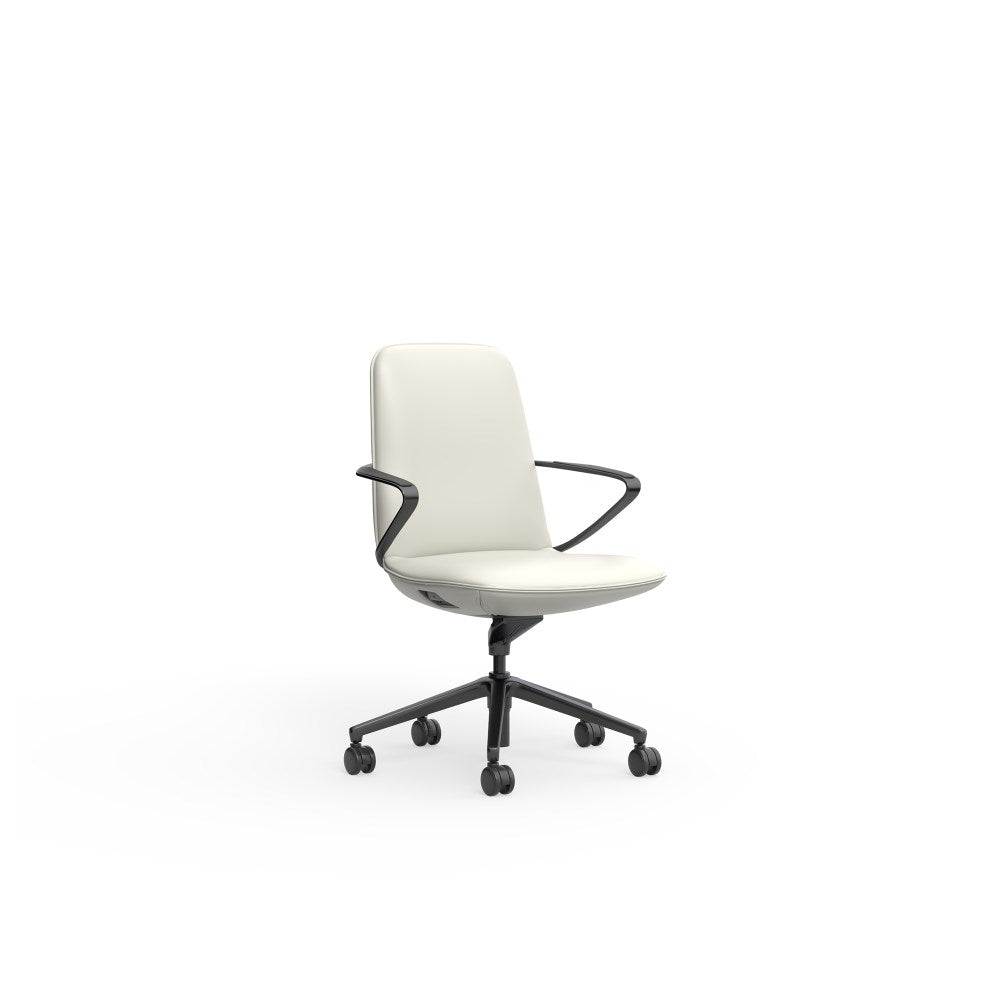
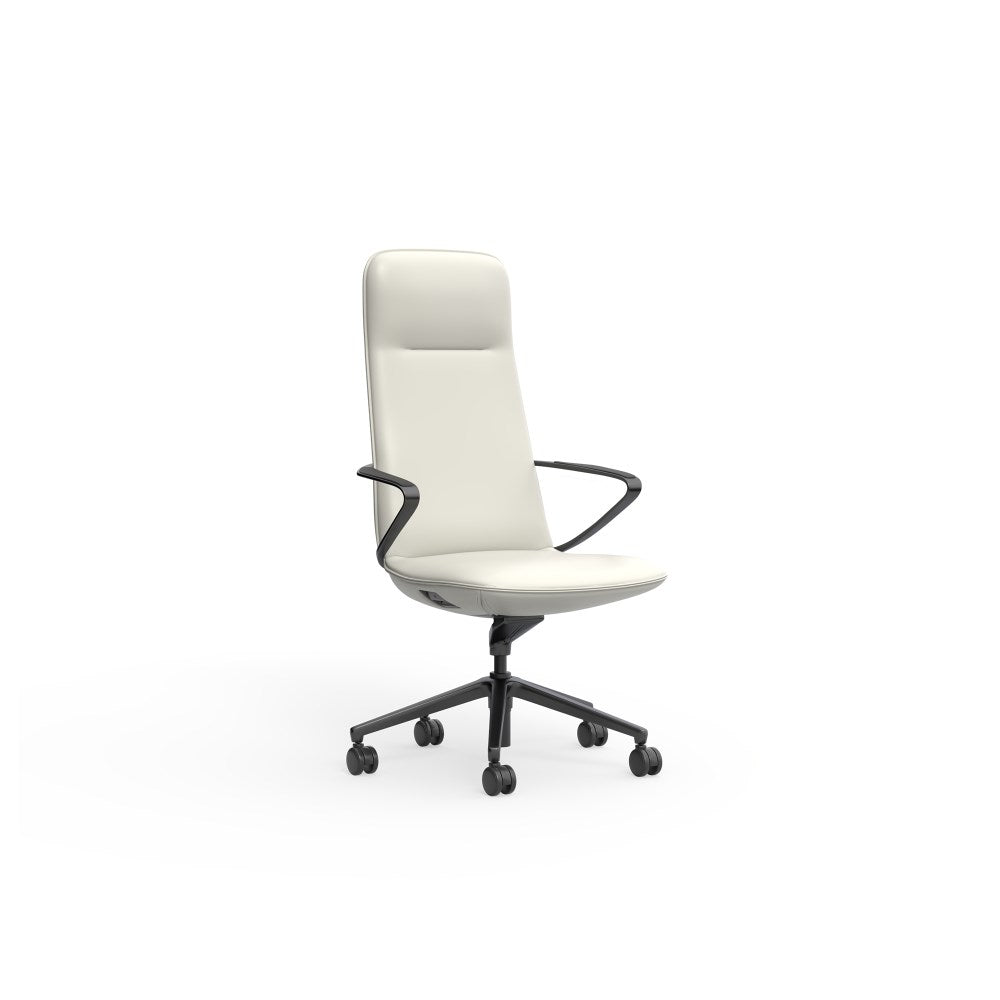

The main difference is how each material is made and how it performs over time. Top-grain leather is real animal hide that has been refined for a smooth, consistent finish and is generally durable and premium. Genuine leather is also real leather, but the term can cover lower grades of hide and does not necessarily indicate the highest quality. Bonded leather combines leather fibres with synthetic binders and is usually more affordable, but it can be more prone to peeling with age. PU leather is a synthetic polyurethane material designed to imitate leather, while vinyl is a fully synthetic PVC-based upholstery that is easy to clean and highly resistant to moisture.
A genuine leather office chair can be worth the higher price if you value durability, appearance and the natural feel of leather. Quality leather can develop an attractive patina over time and may last for many years when properly maintained. However, the upholstery alone does not determine whether a chair is good value. Ergonomic adjustments, build quality, warranty, foam quality and suitability for your daily sitting hours should also be considered.
The lifespan of a leather office chair depends on the quality of the upholstery, frame and mechanisms, as well as how frequently it is used. A well-made genuine leather chair that is properly maintained can remain serviceable for many years, while lower-cost bonded or synthetic leather upholstery may show wear, cracking or peeling sooner. Regular cleaning, appropriate leather conditioning and keeping the chair away from excessive heat or direct sunlight can help extend its usable life.
Start by removing dust with a soft, dry or slightly damp microfibre cloth. For genuine leather, use a cleaner specifically designed for leather and test it on an inconspicuous area before applying it more widely. Avoid soaking the upholstery or using harsh detergents, abrasive cleaners, bleach or strong solvents, as these can dry out or damage the surface. Always follow the chair manufacturer's care instructions, as genuine leather, bonded leather and synthetic leather can require different cleaning methods.
Check exactly what type of leather or synthetic upholstery is being used, rather than relying on the word "leather" alone. You should also review the chair's dimensions, seat height range, weight capacity, lumbar support, armrest and tilt adjustments, recommended usage, warranty and assembly requirements. For Australian workplaces, it can also be useful to look for relevant commercial testing or certification where applicable. Choosing a chair based on ergonomics and construction quality, as well as appearance, will generally provide better long-term value.