Filters
29 products
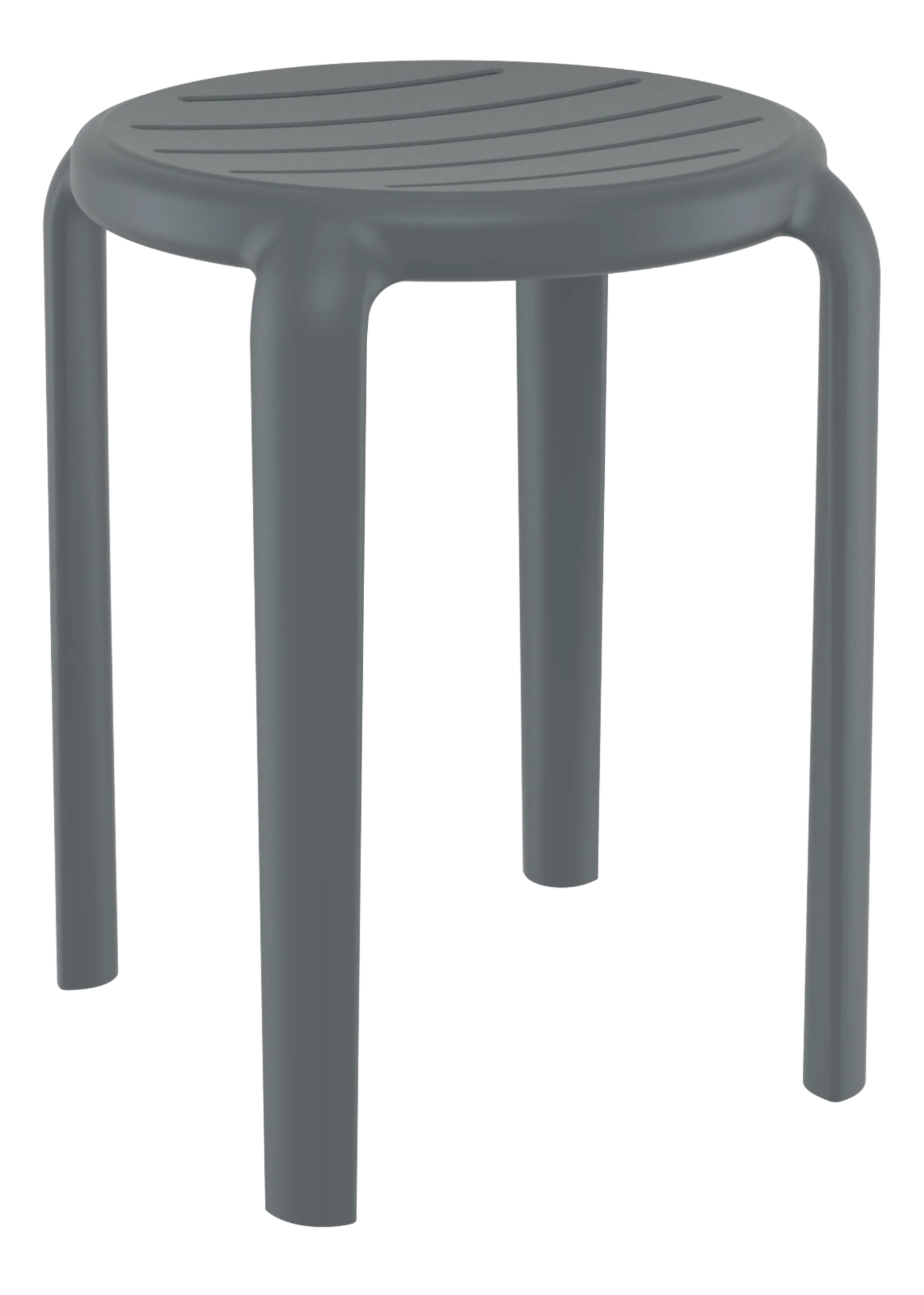
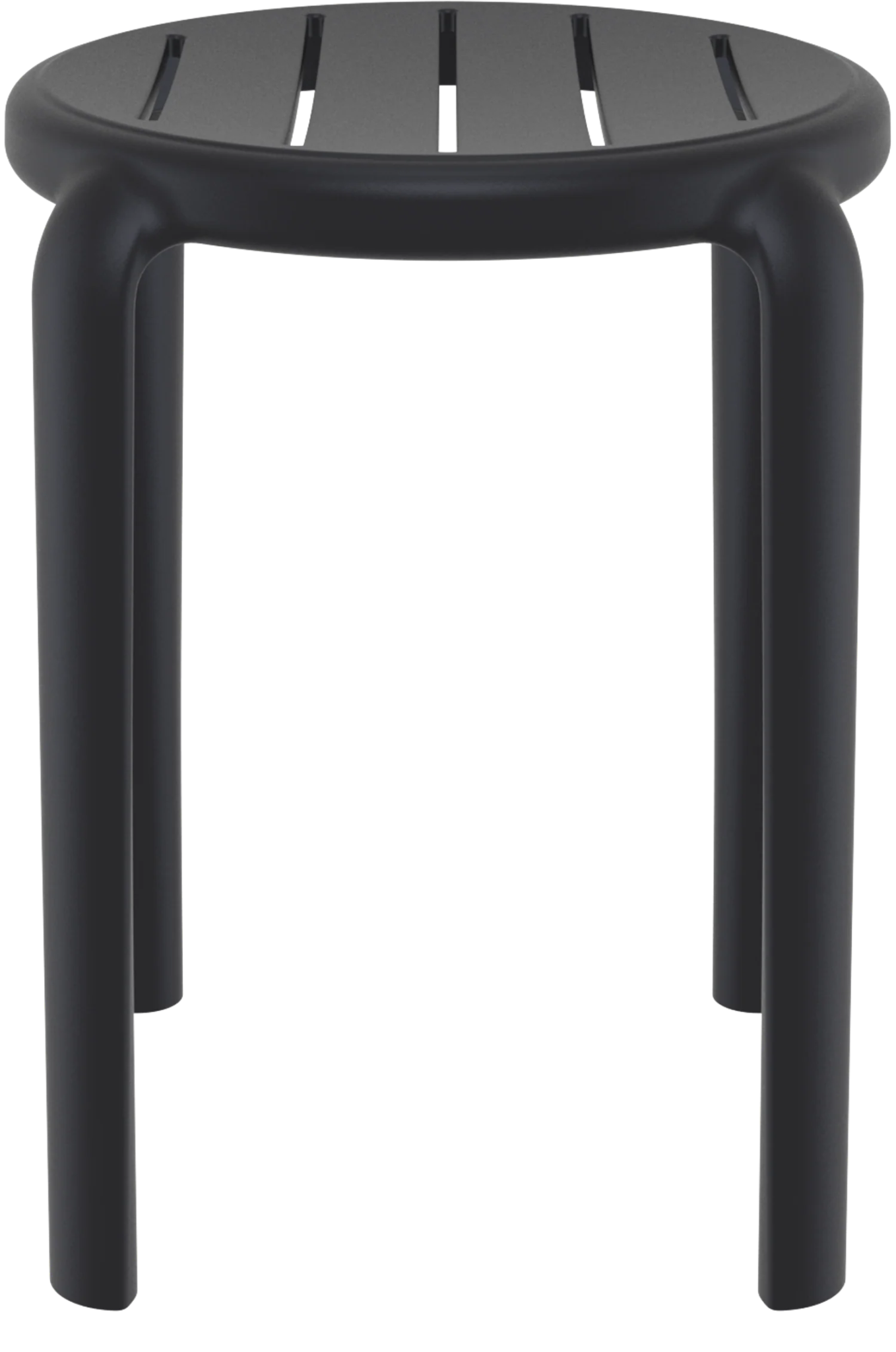
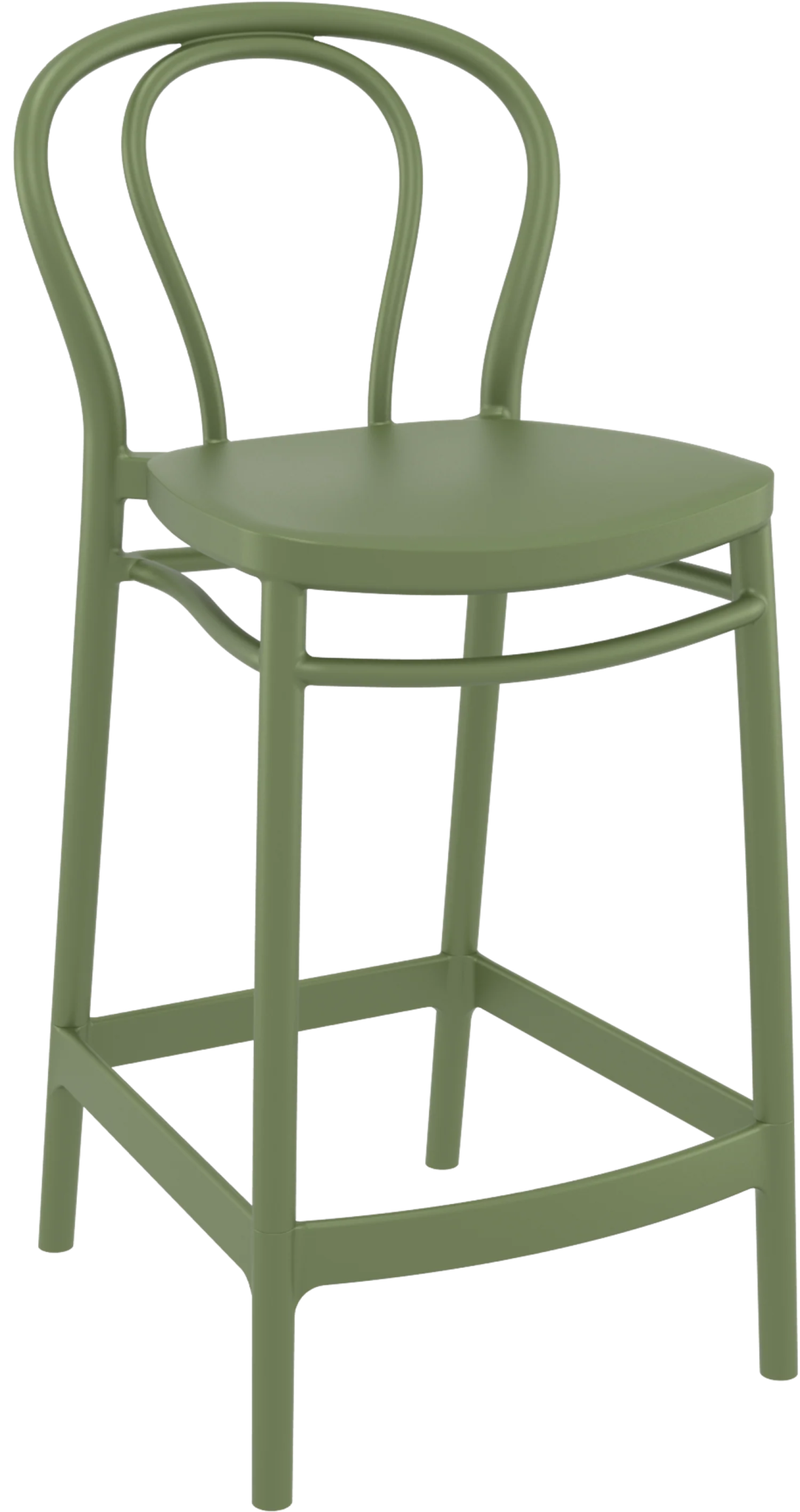
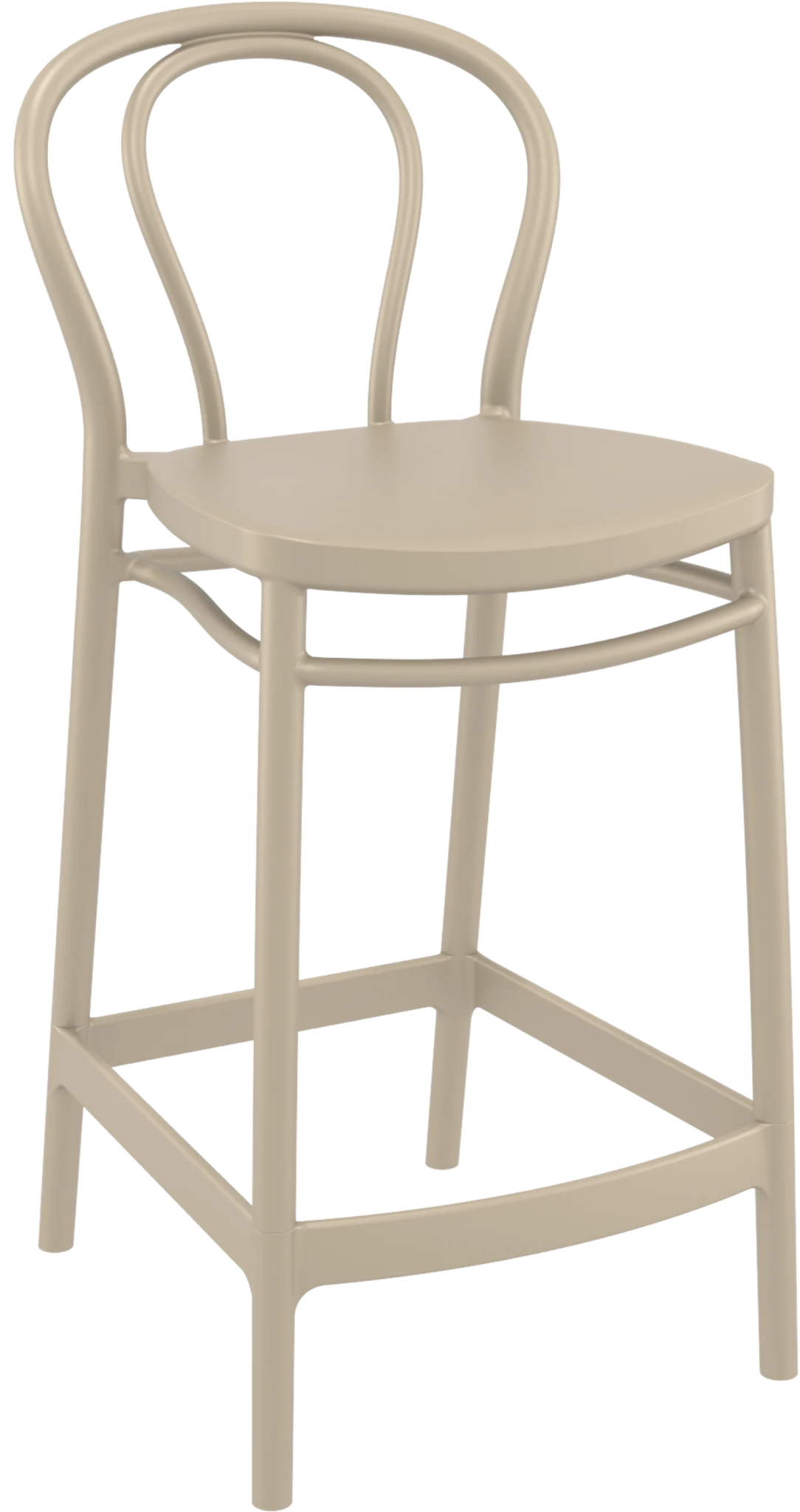


As a general guide, allow around 25–30 cm of vertical clearance between the top of the stool seat and the underside of the benchtop. This usually provides enough room for comfortable sitting and easy movement. Always measure to the underside of the bench, particularly if it has a thick top, apron or support rail.
Generally, yes. Bar stools with backrests provide additional lumbar and upper-body support, making them better suited to longer periods of sitting, such as dining, meetings or break areas. Backless stools can be a good choice where space is limited or stools need to tuck completely beneath a bench.
Choose stools fitted with non-marking glides, rubber feet or protective floor pads appropriate for the flooring surface. Check these regularly for wear or trapped grit, as damaged or dirty glides can still scratch floors. Felt pads can work well on timber, while durable rubber or plastic glides are often more suitable for vinyl and tiled surfaces.
For Australian outdoor conditions, look for powder-coated aluminium, UV-stabilised polypropylene or appropriately treated stainless steel. Aluminium and polypropylene are particularly practical because they resist moisture and require relatively little maintenance. In coastal locations, corrosion resistance is especially important, so stools should be specifically rated for outdoor or coastal use rather than simply described as weather-resistant.
The appropriate weight capacity depends on the application and users. For general workplace, hospitality or public-area use, choose stools with a clearly stated manufacturer load rating that comfortably accommodates the expected users. Commercial environments should prioritise robust frames, reinforced joints and independently tested products where available, rather than relying on appearance alone.